Africa Climate Conversations.
Africa Climate Conversations is a podcast that shares climate and environmental stories from an African perspective. Hosted by Kenyan environmental journalist Sophie Mbugua, it features in-depth conversations with experts and human-interest reports from the field. Launched in 2022, the show aims to fill gaps in African climate reporting and amplify African narratives. Listeners can also watch related content on the Africa Climate Conversations YouTube channel.
Episodes

What Are the Hidden Environmental Costs of Solar Energy?
Wind, solar, hydro, geothermal, and biofuels are some of the renewable energy resources. They are said to be green because they come from natural sources, are constantly replenished, and produce fewer greenhouse gas emissions compared to coal, oil, and gas. But, if these technologies end up in open landfills after their life, with the minerals thy are made of polluting water, and soils, are t
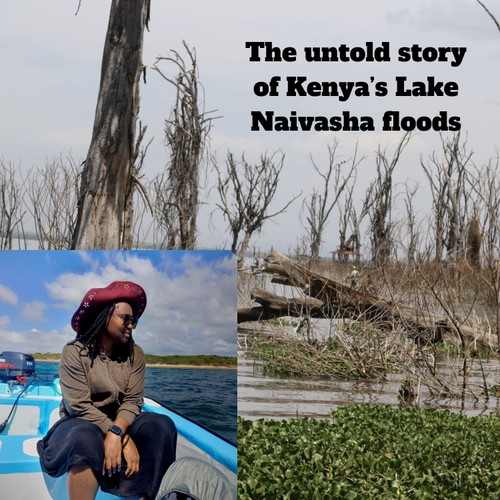
The untold story of Kenya's Lake Naivasha floods.
The area around Kenya's Lake Naivasha, including Kihoto, is considered part of the broader Lake Naivasha wetland ecosystem, as it is within its riparian land. On this episode we look into the history of flooding in Lake Naivasha and how settlements like Kihoto came about, as well as why this wetland is of huge importance. But first, what are wetlands, and why are they important?
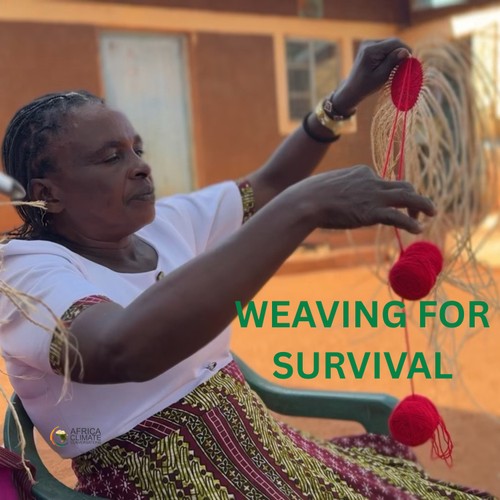
Weaving for Survival.
As the climate crisis continues, come with me to Syethe village, southeast of Kenya's capital, Nairobi where we meet a group of women earning a living by weaving and selling handbags in addition to farming. With these easily accessible skills, materials and capitalising on technologies such as WhatsApp how are they helping breed a new culture of #resilience in times of changing agricultural fortun
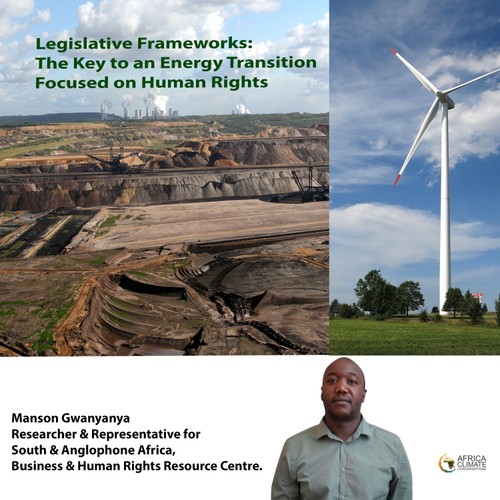
Legislative Frameworks: The Key to an Energy Transition Focused on Human Rights
Clear frameworks for community benefit sharing in the mining and renewable energy sectors are essential.However, Manson Gwanyanya, the researcher and representative for South and Anglophone Africa at the Business & Human Rights Resource Centre, told the African Climate Conversations podcast that implementing these existing frameworks is key to delivering a shared prosperity for the communities
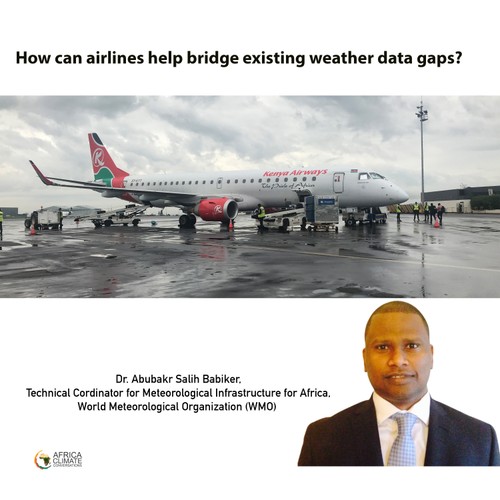
How can airlines help bridge existing weather data gaps?
Sensors on aeroplanes measure wind speed, humidity, and temperature, which is crucial for weather forecasting. As climate-related extreme events increase in frequency and intensity, effective weather-related infrastructure is critical not just for the agriculture sector but also development sectors such as agriculture, industries, and communities, which require timely, accurate data to adapt to th
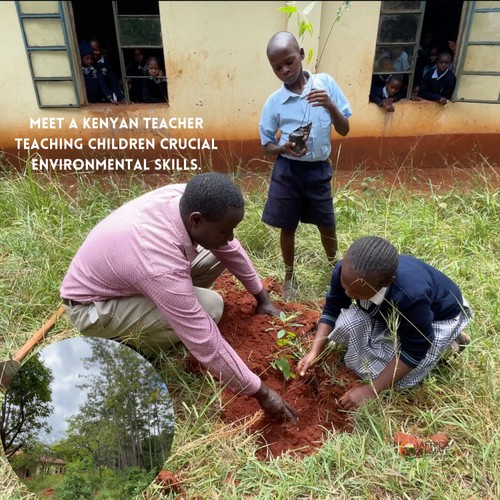
Meet a Kenyan teacher teaching children crucial environmental skills.
Our children are the next generation. We, as humans, pass on our legacy to them, whether good or bad. The environment underpins humans' survival today and tomorrow. As the world warms, it's important to remember the vital role the environment's natural resources, such as forests, play in balancing human activities such as the burning of coal and other fossil fuels and reducing the amount of c
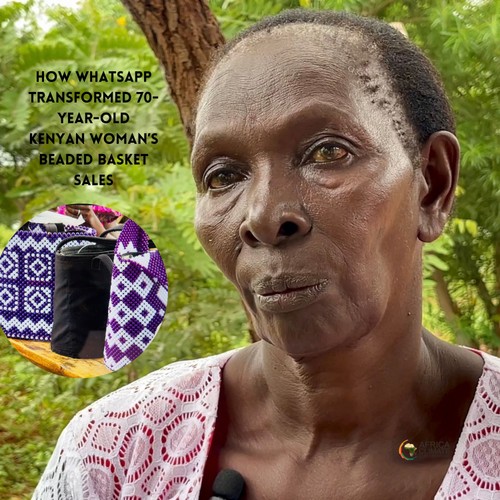
How WhatsApp transformed 70-year-old Kenyan woman's beaded basket sales
This week, I was visiting a town in Makueni County, located in the southeastern part of Kenya. About an hour's drive from Makueni's capital town Wote, I met a 70-year-old lady who, after a severe three-year drought hit the village, learned how to weave beaded baskets. She is relying on WhatsApp, her family, and Facebook to make sales. Have a listen to our conversation.
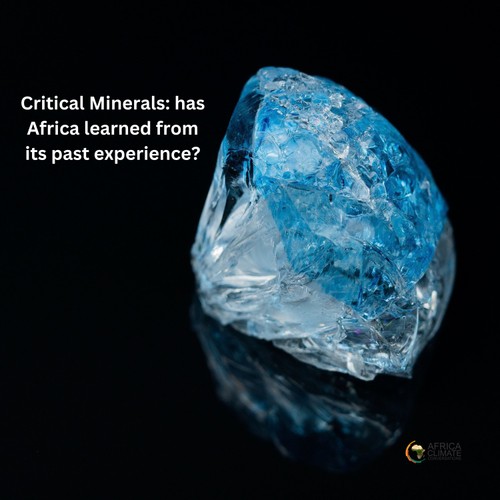
Critical Minerals: has Africa learned from its past experience?
African nations are blessed with 30% of the world's critical minerals. Mineral that the world needs to develop solar panels, wind turbines, renewable energy storage, electric vehicles, defence infrastructures, communication infrastructure, digital economy and many more.However, past mining activities since colonial era has taught Africa taught lessons. Minerals, particularly diamonds, are widely b
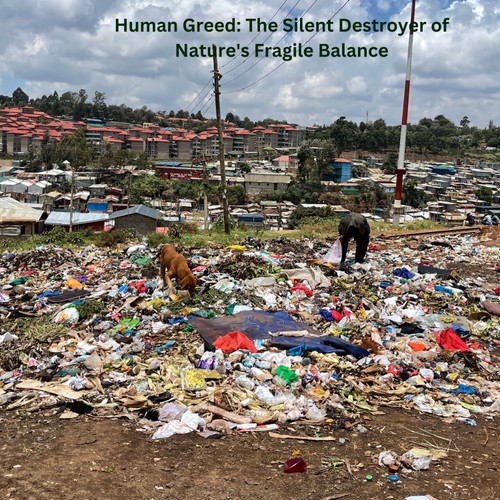
Human Greed: The Silent Destroyer of Nature's Fragile Balance
Humanly speaking, forests, minerals, oceans, water bodies, and other natural resources are seen as infinite by the human eye. Infinite in the sense that there are more resources to be mined or prospected for, more land to be utilized, a vast ocean and waterbodies that can handle enormous levels of pollution, vast underground water resources that can never be drained, and billions of fish to be cau
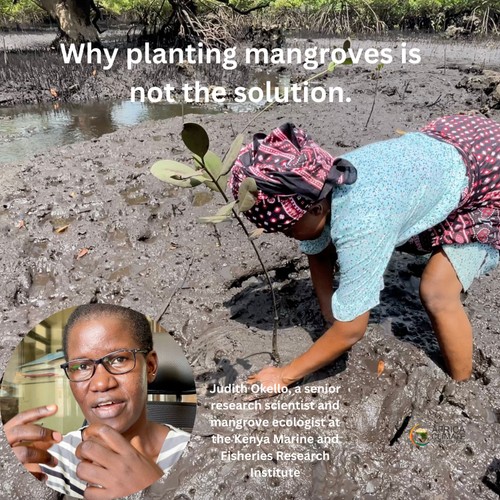
Why planting mangroves is not the solution.
Mangroves are versatile and flexible forests that can cope with enormous disturbances. Dr. Judith Okello, a senior research scientist and mangrove ecologist at the Kenya Marine and Fisheries Research Institute, says that when sedimentation occurs, the mangroves can form a new cable rooting system and migrate when there is space on land. However, due to human influence, global temperatures continue
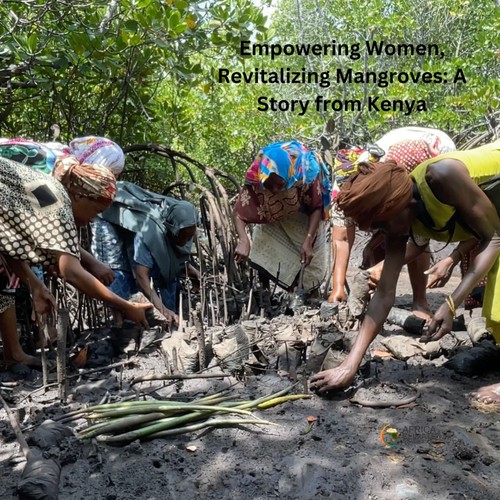
Empowering Women, Revitalizing Mangroves: A Story from Kenya
Featured today are a group of ladies who are establishing a livelihood by planting mangroves. About sixty kilometres south of Mombasa in Kwale County, in the small fishing town of Msambweni, a group of fifteen women from the Munje village joined together during the COVID-19 outbreak. A community-based organisation with 30 members has developed out of them after around four years. They are planting
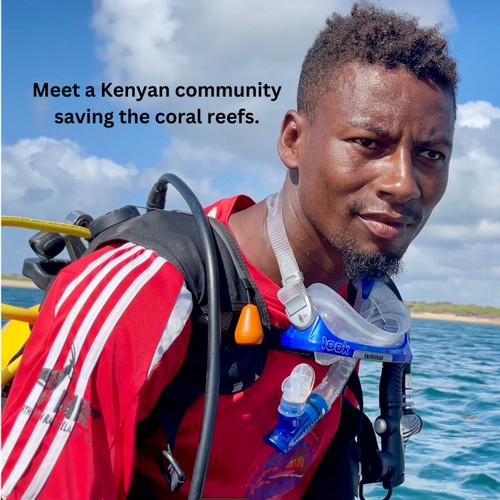
Meet a Kenyan community saving the coral reefs.
Today we meet a Kenyan community saving the coral reefs along the Kenyan coast. Coral reefs along the Lamu-Kiunga area in Lamu County, a small archipelago north of Mombasa in Kenya, have degraded over the years. Pate Island, the largest island in the Lamu Archipelago, lies between the towns of Lamu and Kiunga, which depend on fishing. However, fishery productivity depends on healthy corals. H
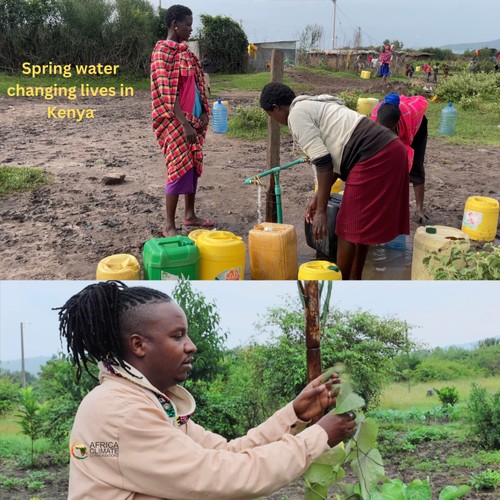
Spring water changing lives in Kenya.
Women in Olailamutia, a town in Kenya's Narok County, have had problems with diarrhoea, stomachaches, and skin rashes for many years. Having access to clean drinking water from a spring is helping to get rid of these problems. Families here got water to drink from a river where they also took baths. The river in question has been contaminated due to chemical use, upstream intensive irrigation, and
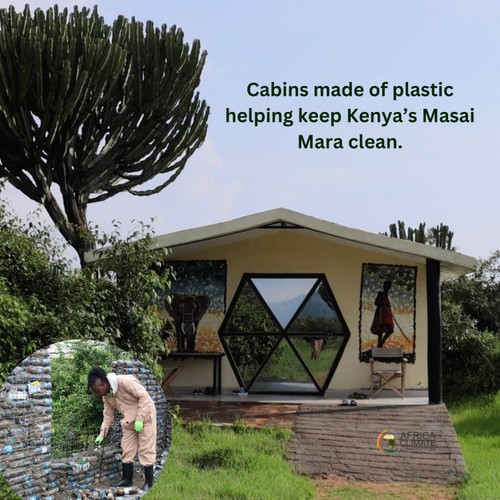
Cabins made of plastic helping keep Kenya's Masai Mara clean.
In today's episode, we meet Isaac Macharia, a Kenyan social entrepreneur who makes cabins out of plastic to keep Kenya's Masai Mara clean. In 2015, Macharia was on his usual tour-guiding routine at the Masai Mara in Kenya. It bothered him. He decided to construct cabins using not only plastic bottles, but also stashing and hiding every non-biodegra
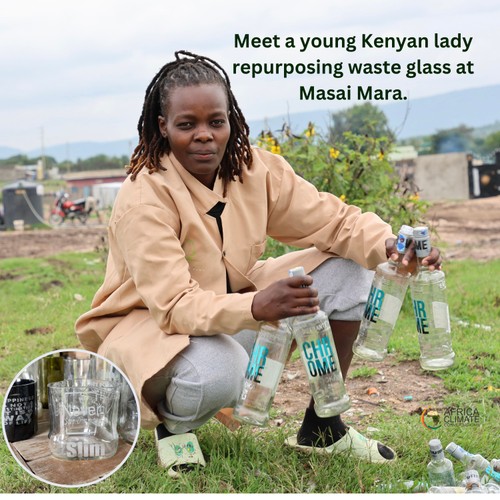
Meet a young Kenyan lady repurposing waste glass at Masai Mara.
Picture this. It's a lovely evening. You and your loved one are seated somewhere, enjoying some juice or beer from a glass made out of liquor bottles collected from a dumping site.How does that sound? On today's episode, meet a young Kenyan lady – Mary Njoki, repurposing waste glass at Masai Mara.
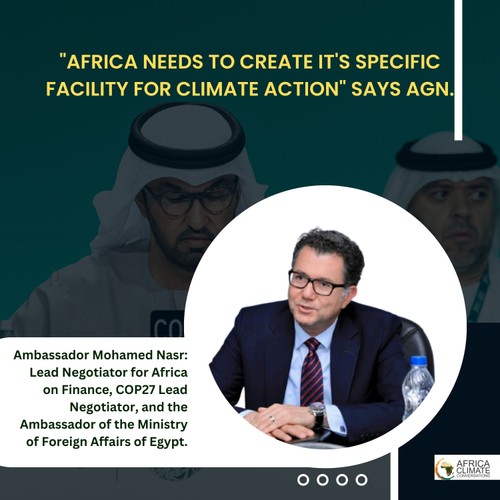
"Africa needs to create It's specific facility for climate action" says AGN.
For effective climate action in Africa to take shape, the African Group of negotiators lead negotiator on finance, Ambassador Mohamed Nasr, told the Africa Climate Conversations that the continent must self-assess and work on its own modalities to achieve climate action. Among the things the continent should work on is creating an Africa-specific platform outlining specific projects and programs f
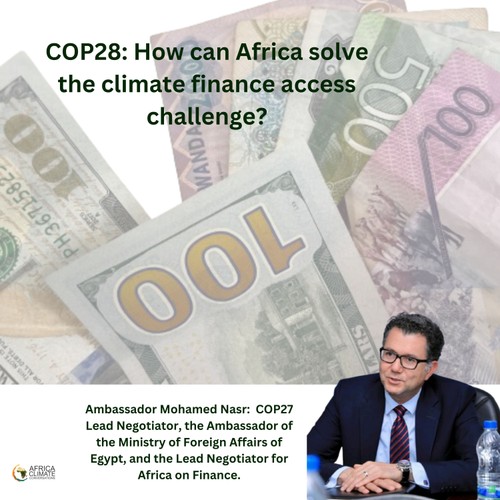
COP28: How can Africa solve the climate finance access challenge?
The climate finance needs of developing countries have risen way beyond the 100 billion USD promised by developed countries 15 years ago. The recent UN 2023 adaptation gap report estimates the cost of adaptation at US$215 billion per year this decade.Access to finance, including means of implementation that are technology and capacity, is a catalyst not just for development but
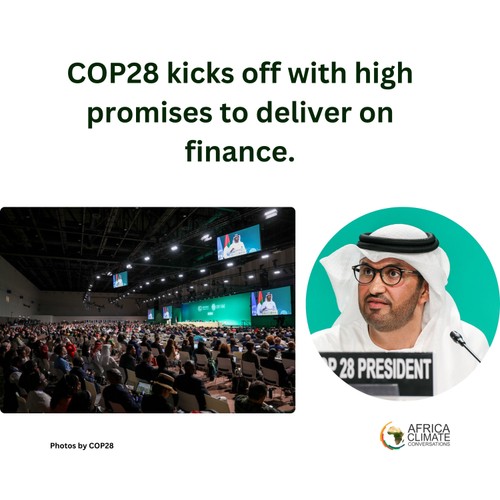
COP28 kicks off with high promises to deliver on finance.
COP28 takes place against the backdrop of increased financial needs to address climate change adaptation, mitigation, as well as loss and damage.Just to mention, the 2023 UNEP adaptation gap report estimates the cost of adaptation in developing countries at US$215 billion per year this decade. For Africa, the continent requires at least $56 billion annually for adaptation alone by 2030. Between 20
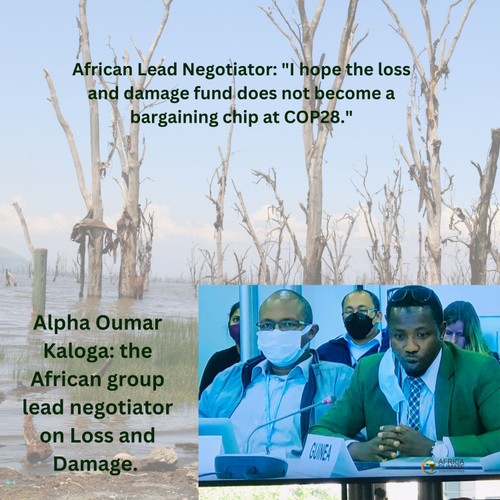
African Lead Negotiator: "I hope the loss and damage fund does not become a bargaining chip at COP28."
A 24-member transitional committee on loss and damage issued a proposal for a new loss and damage fund ahead of the 28th UN Climate Summit (COP28) taking place in Dubai this November.According to Alpha Oumar Kaloga, the African group's lead negotiator on loss and damage, the final decision was made in a tense atmosphere; thus, there is a need to understand the status of the final decision, as the
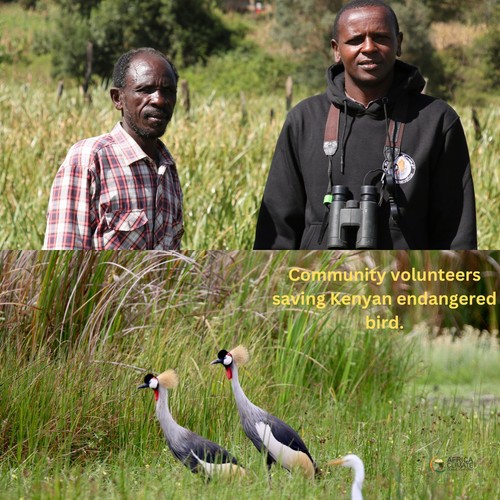
Lake Ol' Bolossat community volunteers saving Kenyan endangered bird.
Lake Ol' Bolossat is the only lake in the Kenyan highlands, situated in Nyandarua County, about a three and a half-hour drive from Kenya's capital, Nairobi. The lake is situated in the valley between the northwestern slopes of the AberdareRange of Mountains and Dundori Ridge.The lake forms the head waters of the Ewaso Ngiro North Basin, Kenya's largest basin, offering a variety of habitats ra
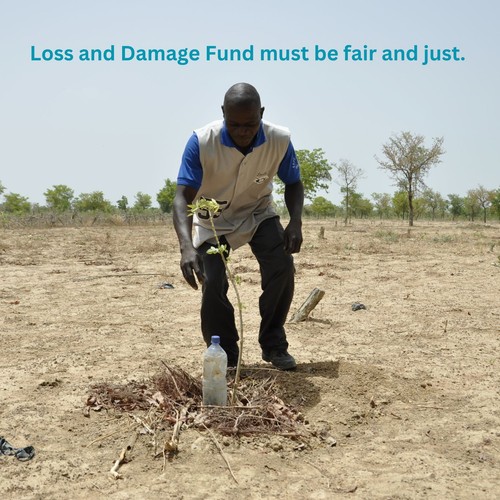
Loss and Damage Fund must be fair and just.
Economic and non-economic loss and damage associated with the extreme event are increasing in developing countries. Extreme events such as droughts, floods, cyclones, tropical storms, and forest fires have significantly increased globally in intensity, frequency, and scope. The devastating floods and landslides in Bangladesh caused an estimated loss of USD 176.0 million in housing, an estimated da
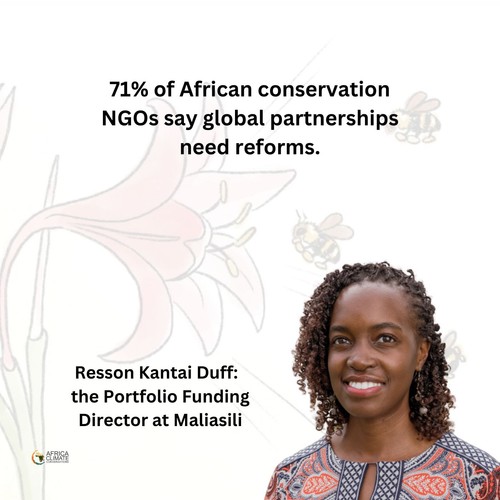
71% of African conservation NGOs say global partnerships need reforms.
Not only are local communities and organisations essential for conservation but also for addressing issues of sustainability, poverty reduction, and economic development in Africa. However, local organisations collaborate with international organisations to assist these communities in protecting the biodiversity they inhabit, conserving fauna, adapting to climate change, and enhancing their social
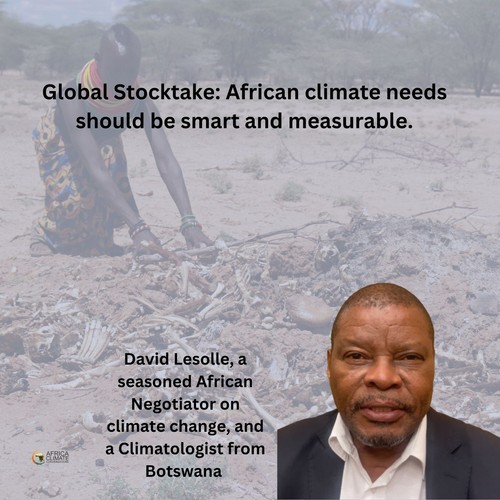
Global Stocktake: African climate needs should be smart and measurable.
During the 28th United Nations climate summit, hosted by the Government of the United Arab Emirates (UAE) in December 2023, the first global stocktake, which is intended to map out the path to achieving the Paris Agreement's main objectives, will conclude. The global stocktake, which is anticipated to occur every five years, will assess the world's progress in reducing greenhouse gas emissions, en
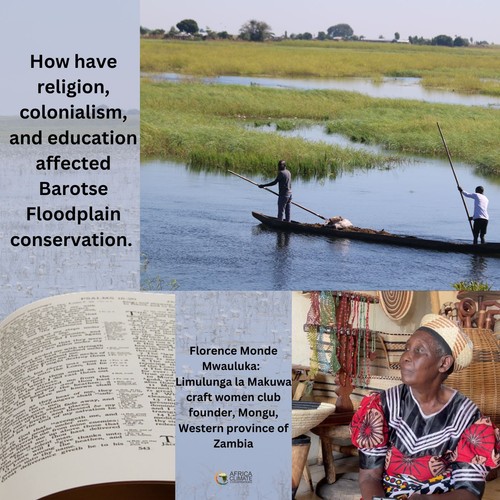
How have religion, colonialism, and education affected Barotse Floodplain conservation?
"After colonialism, religion depicted that we "Africans" lived in a satanic manner," argues Florence Monde. Mwauluka, a woman of 85 years old, founded the Limulunga la Makuwa craft women's club in the Mongu district of Zambia's Western Province. In today's episode, Mwaluka recalls her childhood before colonialism and the introduction of Christianity to her Lozi people, who have resided in the Baro
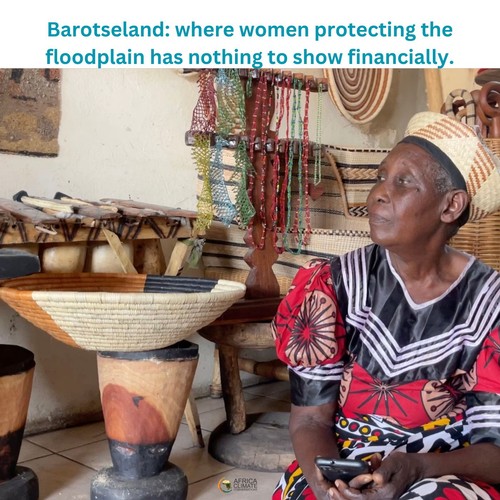
Barotseland: where women protecting the floodplain has nothing to show financially.
Meet Florence Monde. Mwauluka is an 85-year-old woman popularly known here as Auntie Flo. She is the founder of the Limulunga la Makuwa craft women's club in Mongu district, Western Province, Zambia. Here, 10 women join up to weave mats, mattresses, hats, and baskets, as well as mould pots used as cooking pots, refrigerators, and water purifiers. These products are made from natural materials such
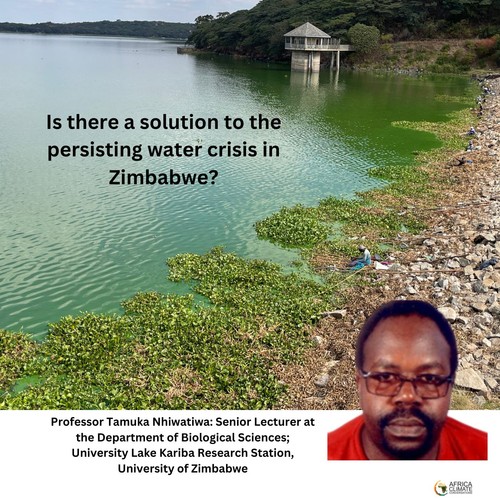
Is there a solution to the persisting water crisis in Zimbabwe?
Is there a solution to the persisting water crisis in Zimbabwe? I ask Professor Tamuka Nhiwatiwa, a Senior Lecturer at the Department of Biological Sciences, University Lake Kariba Research Station, at the University of Zimbabwe. Tamuka says Harare city in Zimbabwe is built on its catchment area. It relies on treating polluted waters from Lake Chivero and the Manyame River for domestic use. Lake C
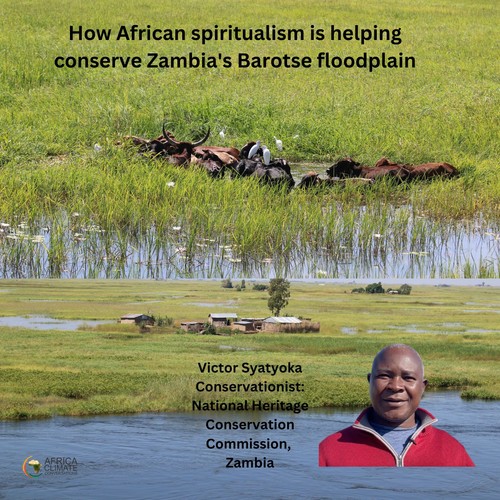
How African spiritualism has helped conserve Zambia's Barotse floodplain
When the Lozi people migrated to the Barotse Floodplains in western Zambia about 400 years ago, they heaped soil on platforms and settled in the floodplain without destroying it. The Lozi developed canals they use to access villages and farmlands and instilled African cultural and spiritual beliefs that have been used to protect the fish, water, animals, lagoons, and biodiversity within the floodp
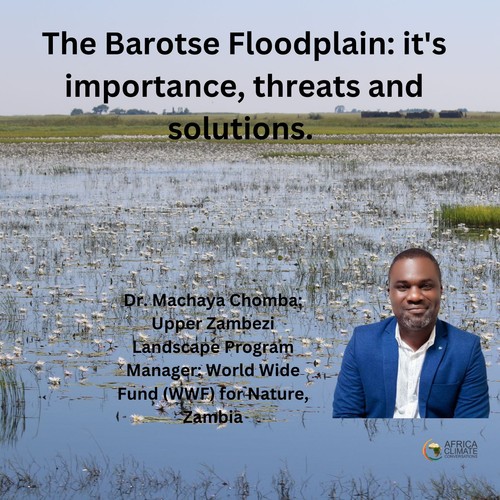
The Barotse floodplain: it's importance threats and solutions.
Did you know that the Barotse floodplain, located in the upper Zambezi basin in Zambia's western province, has over 339 bird species and over 129 documented fish species? When flooded, it can reach over 550 000 hectares, acting as a sponge that slowly releases water to the nearby regions that receive low rainfall. It's key for supplying water to downstream communities, and the Kariba dam relied up
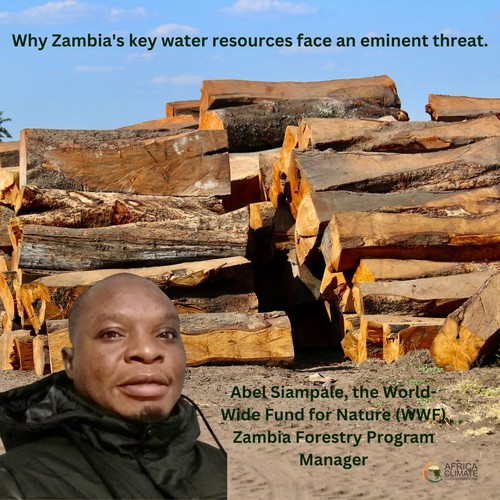
Why Zambia's key water resources face an eminent threat.
In order to manage and safeguard the nation's forests, Zambia has a proactive 2015 forest act that brings together stakeholders, including local communities. However, extensive deforestation is being caused by the prospecting for new minerals, the logging of indigenous trees like rosewood and African teak, and the conversion of forest area for agriculture. The origins of significant riv
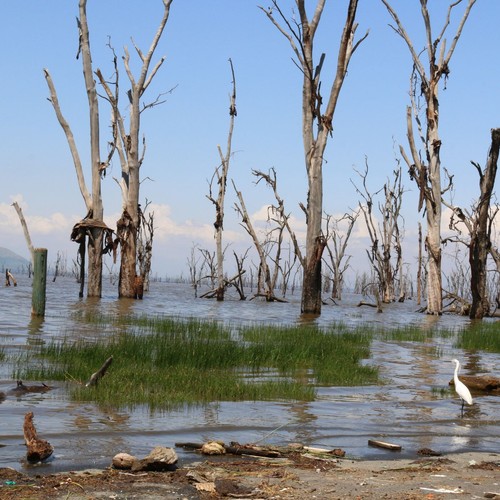
Can the world solve the climate crisis without tackling degradation?
It's nature that gives humans food, air, and medicine; hence, you must give back to nature. But, decades of development have not prioritised safeguarding the environment and the people who depend on it—as a result, leading to pollution, waste disposal, deforestation, ocean acidification, the rise of greenhouse emissions like carbon dioxide and methane, water stress, and rising sea levels.Despite n
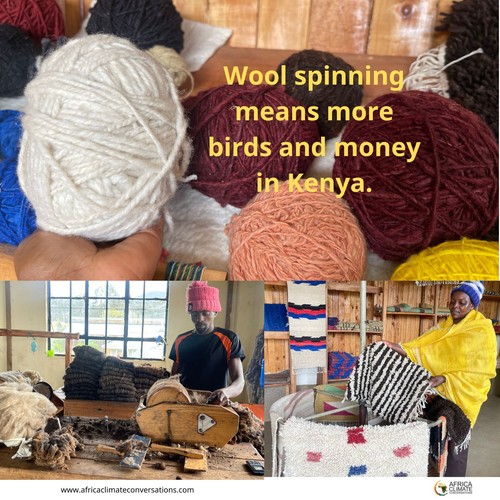
Wool spinning means more birds and money in Kenya.
At the foot of the Aberdare mountains in Kenya, about an hour's drive to Lake Naivasha, a youth group is encouraging farmers to preserve the grasslands to conserve the Sharpe's Longclaw bird species. The Njambini Wool Crafters buy wool from these farmers to ensure they generate income through sheep-keeping. The group produces yarns made of raw sheep wool. These yarns are sold to curio shop operato
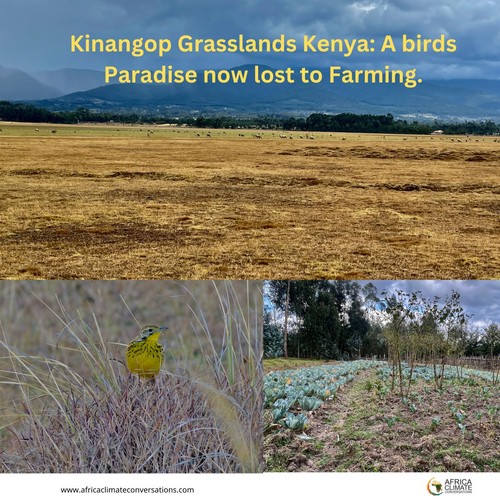
Kinangop Grasslands Kenya: A birds paradise now lost to farming
About an hour and a half drive from Kenya's capital city Nairobi exists the Kinangop Plateau. It is the middle catchment area between the Aberdares /Nyandarua range of mountains and Lake Naivasha. Initially, the grassland was a 70 000 hectares of expansive treeless tussocky grasses, bogs and marshlands. Today, only less than 10 percent of the grassland remains. The land converted into agricultural
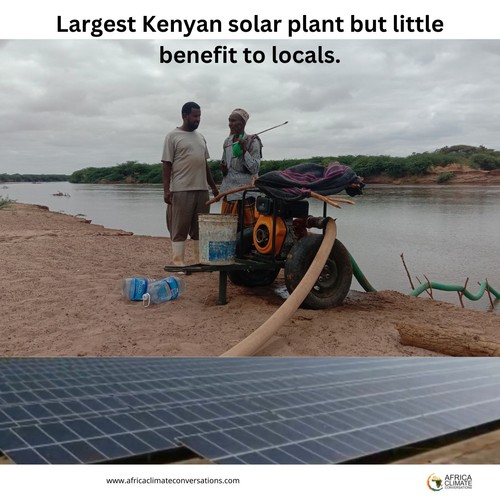
Largest Kenyan solar plant but little benefit to locals.
The Raya residents in Garissa - North east of Kenya - say they gave up 85 hectares (210 acres) of their land to make way for the solar power plant - the largest grid-connected solar power plant in East and Central Africa launched in December 2019, but have so far seen few benefits in return.So, who is benefitting? As Kenya aim to go 100 percent renewables what are the balances of power should the
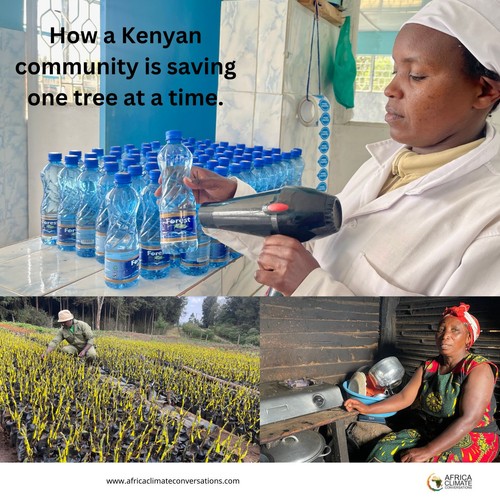
How a Kenyan community is saving one tree at a time.
Today, I am visiting Kenya's Kereita forest - a critical water catchment area and home to the endangered Abbott's Starling bird and threatened tree species like the Prunus Africana threatened for its medical value. I am here to discover what a community forty kilometers from Kenya's capital has done to save a forest that was once plundered for firewood, grazing, wood, and arable land and protect t
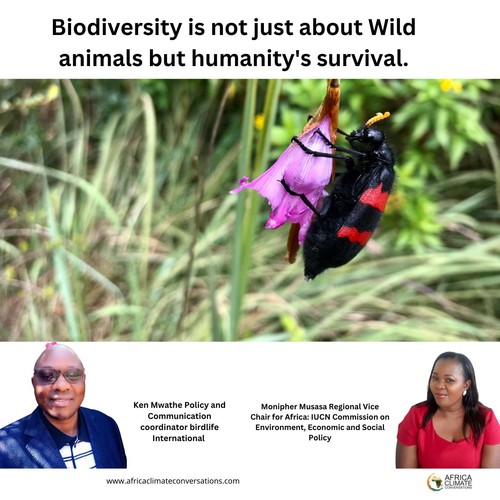
Biodiversity is not just about Wild animals but humanity's survival.
About 30 years ago in Rio de Janeiro, Brazil, agenda 21 recognized that humanity stands at a defining moment in history, confronted by worsening poverty, hunger, ill health, and the continuing deterioration of the ecosystems on which we all depend for our well-being. Years later, world leaders continue to prioritize development over the environment. Today's episode explores the link between biodiv
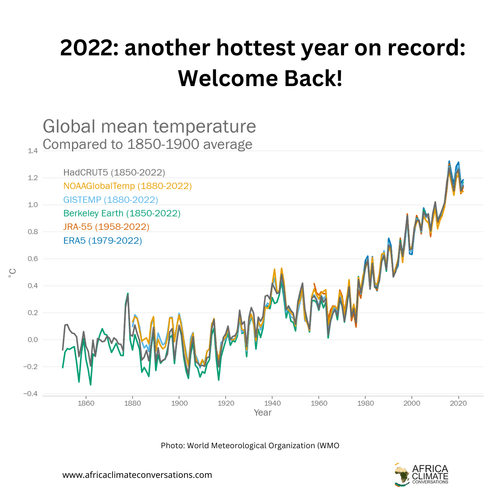
2022: another hottest year on record! Welcome Back!
Happy New Year: 2023. Last year the year 2022, the average global temperature was about 1.15 degrees Celsius. 2022 marks the 8th consecutive year from 2015-2022 where each year the annual global temperatures have reached at least 1°C above pre-industrial levels. This is according to datasets compiled by the World Meteorological organization from six international temperature datase
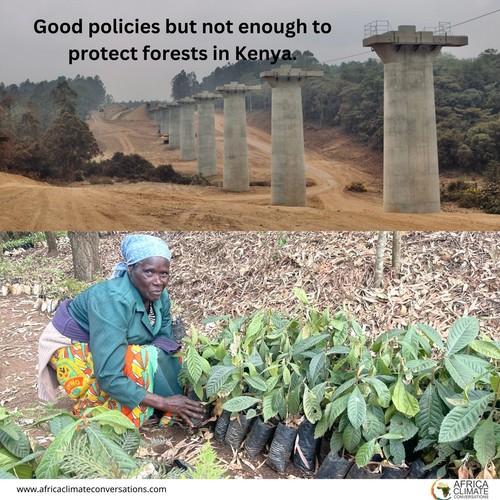
Good policies but not enough to protect forests in Kenya.
Kenya's Standard Gauge Railway (SGR) has come with its fair share of blessings in terms of communication and transport. The Mombasa to the Kenyan capital Nairobi line was completed in 2017. Phase two of the railway aimed to link Nairobi with Malaba on the Kenya–Uganda border cut through the pristine Olooula Forest -one of the remaining Nairobi green spaces. The Oloolua Community Forest Association
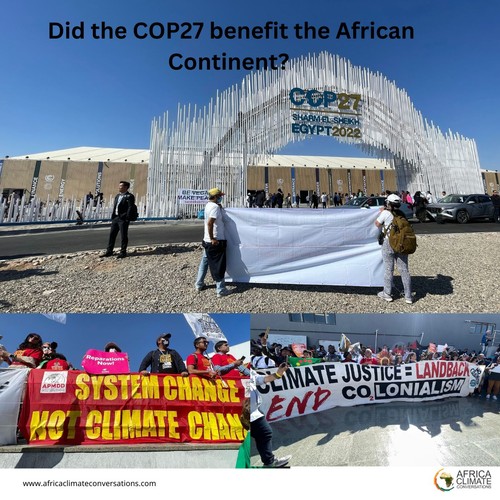
Did the COP27 benefit the African Continent?
The Sharm el-Sheikh, decision was reached early morning on last Sunday the 20th as official plenary started at 4am. Among the wins for the Continent was the establishment of a loss and damage facility which was pushed hard by the G77 and China- Africa is in this group - as well as the civil society. But vehemently opposed by the United States at the beginning. Does the Global Shiel
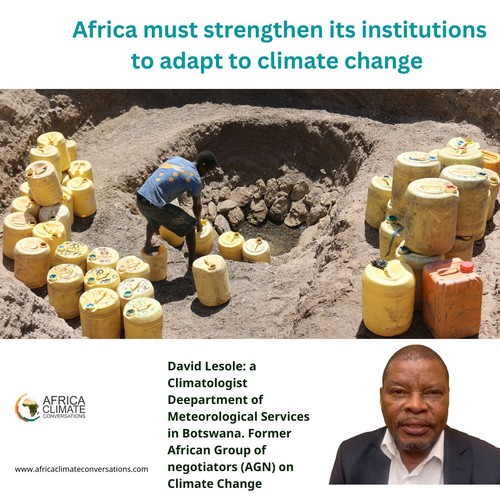
African nations must strengthen their institutions to adapt to climate change
The 27th UN Climate summit is already underway till next week in Egypt's coastal city of Sharm el-Sheikh. It is essential to recognize that this is the 27th meeting of the parties in about 30 years. Also, remember that Africa is the continent that contributes the least to global emissions – about 4 percent. In 2015, in Paris, when the Paris agreement was being passed, Africa was pro
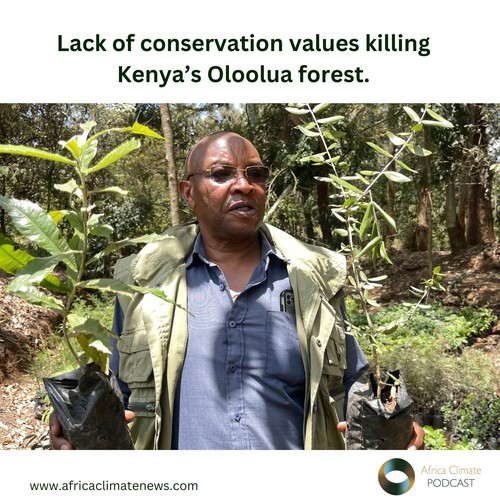
Lack of conservation values killing Kenya's Oloolua forest.
Forests and savannahs provide a wide variety of ecosystem services. They provide food and fuel. Additionally, they clean the air, filter water, and control floods, and erosion, while sustaining biodiversity. However, over the years human beings have plundered the earth prioritizing development needs over the environment. Kenya's Olo0lua forest an urban forest located about half an hour's drive fro
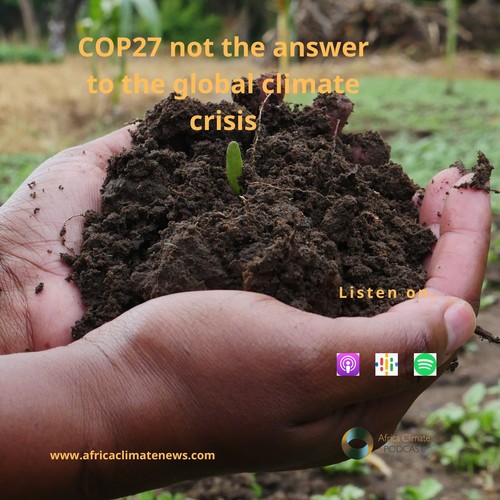
COP27 not the answer to the global climate crisis.
Human activities led to roughly 1.1°C of warming between 1850-1900. If this trend continues, scientists warn that global warming will exceed 1.5°C between 2030 and 2052, meaning more severe and extreme weather events. The earth exists not just as an investment opportunity but as a trust passed on from previous generations for the current to hold as stewards for future generations. I
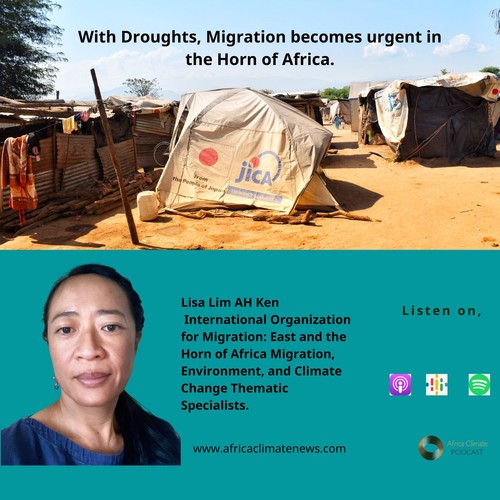
With Droughts, Migration becomes urgent in the Horn of Africa.
In the Horn of Africa, pastoralists have often moved. The movement is a crucial driver for community resilience. However, the slow onset of events like droughts, desertification, water scarcity, rising sea levels, and coastal erosion has increased climate-induced migration. By 2050, the World Bank says climate change will cause more than 200 million people could migrate, with most movement occurri
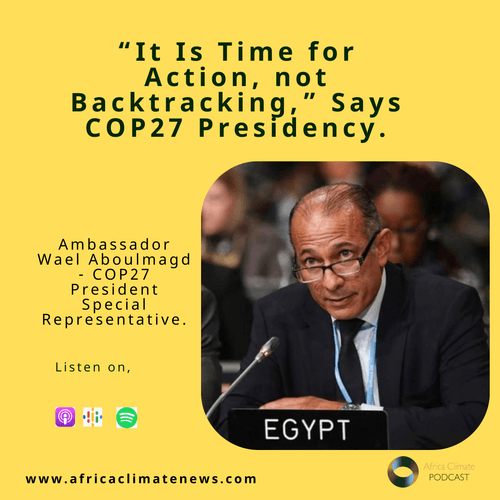
"Time for Action, not Backtracking," Says COP27 Presidency.
The 27th United nation Climate summit (COP27) is eight weeks away. COP27 occurs when several climate-related emergency crises, such as floods, drought, wildfires, storms, and cyclones, devastate communities, economies, and ecosystems.Today we welcome the COP27 President Special Representative Ambassador Wael Aboulmagd.
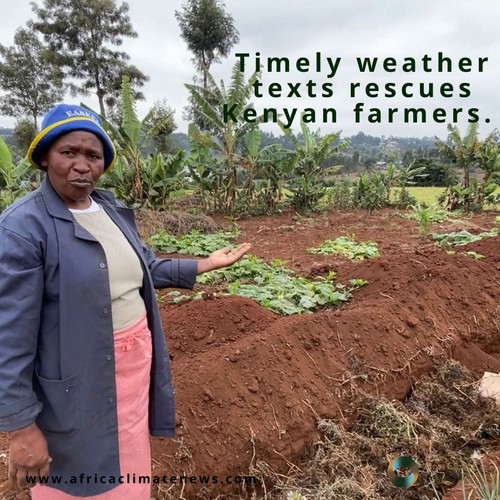
Timely weather texts rescues Kenyan farmers.
In many African communities, traditional weather forecasting was relied upon to determine when famers would plant. Still among many communities it remains the most accessible and affordable source of weather information. However recurrent and persistent drought, has disrupted the weather patterns in Kenya. Rains no longer set in on expected months making uncertain the traditional weather forecasti
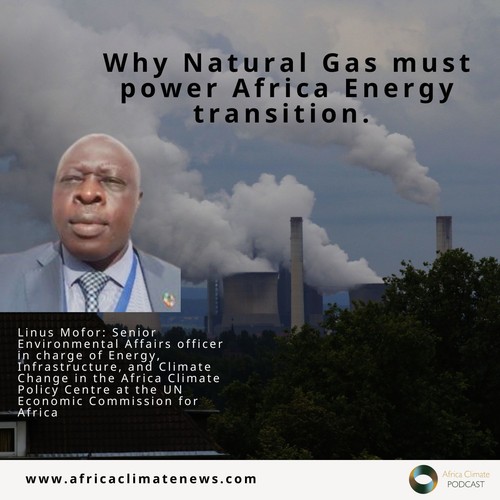
Why Natural Gas must power Africa Energy transition.
Africa is home to about 560 million people out of over 700 million without access to electricity worldwide. In July 2022, the African Union commission and its member states unveiled what they say is a practical approach to tackling the energy crisis in the continent. The African Common Position on Energy Access and Just Transition stipulates that Africa will continue to deploy all forms of it
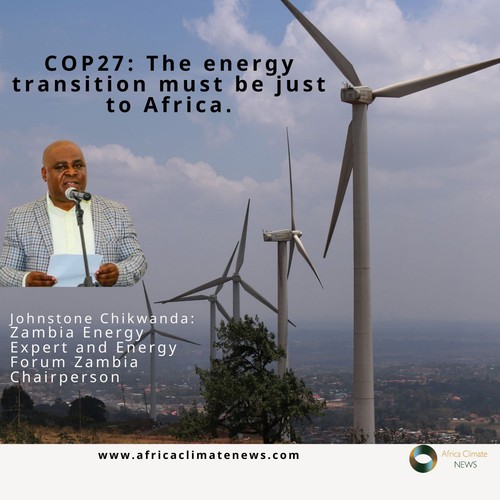
COP27: Energy transition must be just to Africa.
Hydro energy comprises of 83percent of Zambia's installed capacity. In 2015, climate change impacts reduced Zambia energy generation capacity by more than 50 percent. In 2020 Zambia had to load shed for more than 12 hours again when inadequate rainfall again led to a loss of more than 800 MW. Coal came in hardy to stabilize Zambian economy. Most African countries depend on hydro {highly susce
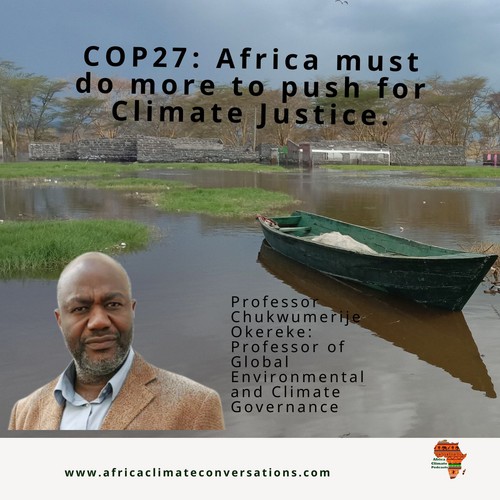
COP27: Africa must do more to push for Climate Justice.
Africa is a continent hard hit by climate change though least emitter. Erratic rains and floods, prolonged droughts, climate related migration and conflict, combined with Covid-19 are exposing nations to further debts.In addition, the continent being energy deficient, many nations lack energy base load. In line with the Paris agreement, is Africa being pressured
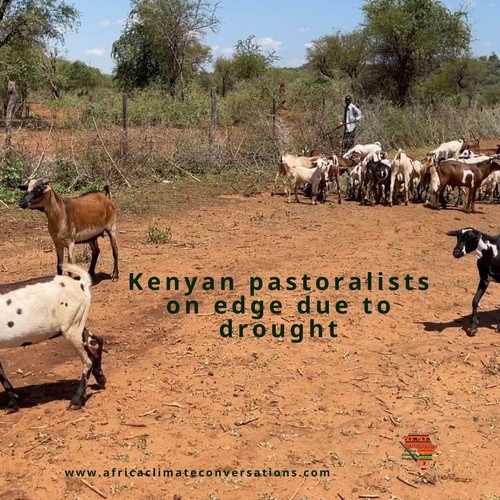
Kenyan pastoralists on edge due to drought.
Drought situation continues to worsen in Kenya. In Kenya's Rift Valley, local says they last harvested since 2018. This year it has rained for four days. Cows have died, goats – their remaining source of food - are dying of diseases. The Worse hit are nineteen of the 23 Arid and Semi-Arid Land counties. The UN Office for the Coordination of Humanitarian Affairs says the number of people in need of
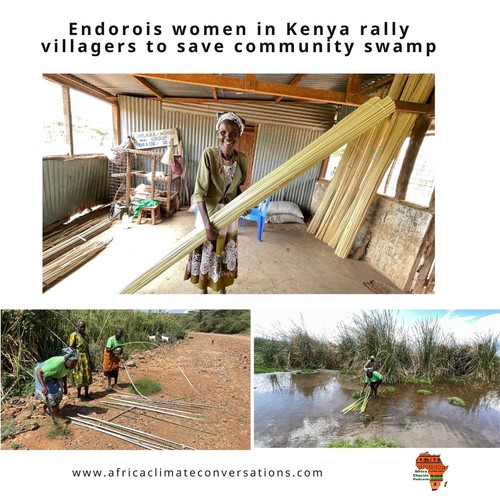
Endorois women in Kenya rally villagers to save community swamp.
Kenyan minority indigenous community - the Endorois live around Lake Bogoria in Baringo County in Kenya's Rift valley. In 1970's they lost their grazing ground when Lake Baringo was registered a national reserve. The remaining swamp - Kiborgoch or Loboi swamp stated shrinking in the 1990's due to land degradation and wildfires. The Women depend on the swamp to collect Papyrus reeds they use t

Special Episode with DW's Living Planet
Today in a special program swap with DW- Living Planet we here how climate change is impacting women in girls, in Kenya. As temperature continue to rise, how is it impacting people's mental health in South Africa? How about the peatlands in the Democratic republic of Congo?
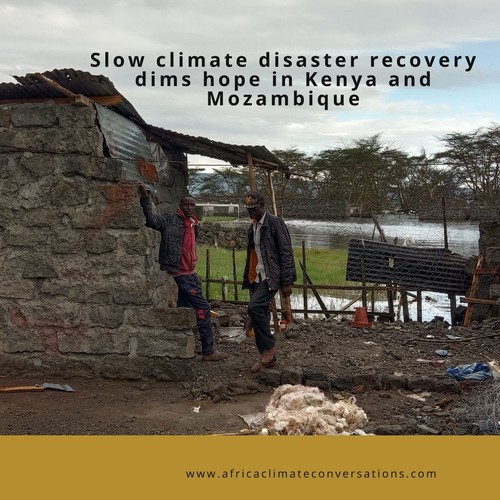
Slow climate disaster recovery dims hope in Kenya and Mozambique
Intense floods, cyclones, and drought, have devastated many sub-Saharan African countries, this year.As temperature rise, so does the losses in livelihoods and damages to key infrastructure hampering development and country planning.In Kenya, Ethiopia, and Somalia, rains have failed consecutively. By March 2022, more than 13 million people were severely food insecure.Tropical storms and cyclones t
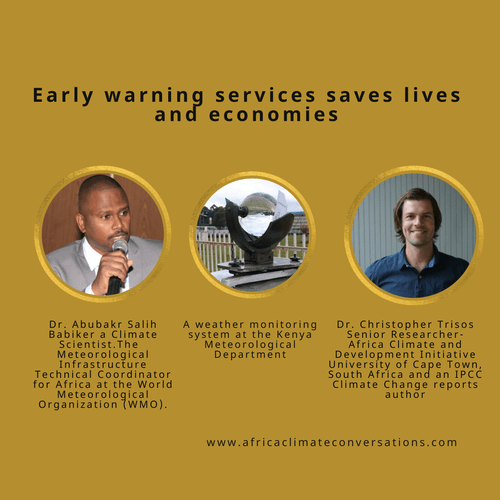
Early warning services saves lives and economies
Between 1970 and 2019, more than 11 000 disasters were attributed to weather, climate, and water-related hazards worldwide. This was reported by the World Meteorological Organization (WMO) in a 2021 report on mortality and economic losses from weather, climate, and water extremes. These disasters left over two million people dead. It also resulted in economic losses of $3.6 trillion. However,
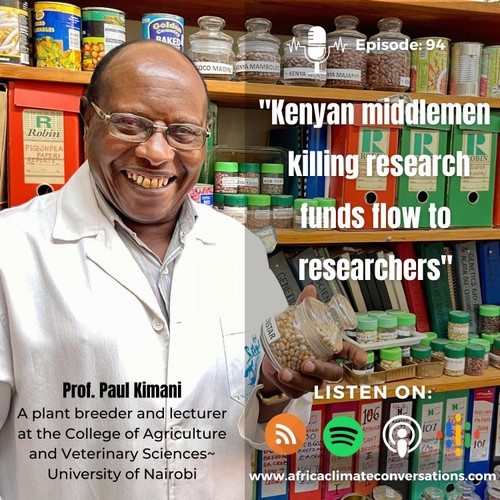
Kenyan middlemen killing research funds flow to researchers.
Professor Paul Kimani, a plant breeder and lecturer at the College of Agriculture and Veterinary Sciences at Kenya's University of Nairobi, has extensively researched a variety of drought-tolerant beans in Kenya. Over the years, his research has been made possible by funds from overseas. Professor Kimani says the Kenyan government has tried funding research, but intermediaries are killing the rese
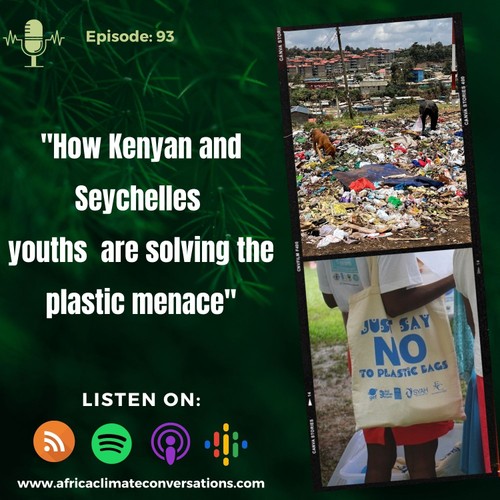
How Kenyan and Seychelles youths are solving the plastic menace
Kibera- the biggest informal settlement in Kenya and possibly in the African continent. According to UN-Habitat, Kibera has the highest settlement density of any settlement in Kenya estimated at 250,000 people. Today, we speak to Stephen Oduor, the founder Kibera Plastic initiative - a youth-led community-based organization ridding the slum of plastic waste. The informal settlement has g

Second-hand clothes(Mitumba) Kenyan gift or a curse?
In 2019, Kenya imported 185,000 tones of second-hand clothing or mitumba - about 8,000 containers. The clothes and shoes sold in the second-hand markets started as donations from rich nations to charitable organizations meant for developing nations. But over the years, the second-hand industry grew from donations to a market amounting to paid taxes of about Ksh12 billion in 2019. Unfortunately, th
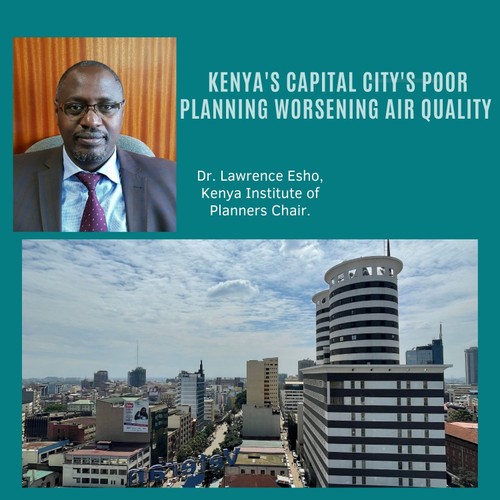
Kenya's capital city's poor planning worsening air quality.
Urban development in Kenya's Capital city, Nairobi, started when Nairobi was established as a railway headquarters in the late 19th Century. Despite numerous attempts at planning, Nairobi has operated for decades without a plan. Until 2014 when the Nairobi Integrated Urban Development Master Plan (NIUPLAN) expected to guide the city until 2030 was drawn. NIUPLAN comes after the 1973 Metropoli
Adaptation cannot lag anymore: warns IPCC Scientists.
The IPCC has released the Working Group II report prepared by 270 scientists from 67 countries on the latest evidence on the impacts of accelerating Climate Change on humans and nature. Africa has contributed among the least greenhouse gas emissions, but countries like Madagascar requiring USD1B annually to adapt to climate change are heavily impacted by subsequent storms and cyclones. Climate Cha

Nairobi's billboards live streaming the city's air pollution.
Tiny particles in the air reduce visibility. Also, cause the air to appear hazy when levels are elevated. Often referred to as PM2.5, the particles can travel deeply into the respiratory tract, reaching the lungs. Exposure to fine particles can cause runny nose, shortness of breath, sneezing, eye, nose, throat, and lung irritation, as well as coughing.
In today's episode, I host Sean Khan, the Glo
Sectors in Ghana join hands to reduce rising air pollution.
Ghana's air quality monitoring started back in 1996. Over the years, different sectors have joined hands to curb air pollution emanating from the transport sector, and solid waste management of which 60percent is collected.
Additionally, dust storms from the northeast of Africa and extraction of precious minerals from e-waste has led the country to set up air quality monitors every four kilometers
It is time Africa rethinks air pollution funding.
Africa attracted about five percent of development funding and less than four percent of philanthropy funding to fight air pollution between 2015 – 2020 according to the 2021 report. Most sub-Saharan African countries are highly in debt. The 2022 international debt crisis report shows that sub-Saharan Africa's debt rose from $665 Billion in 2019 to 702B. With most of the funding is in the form of
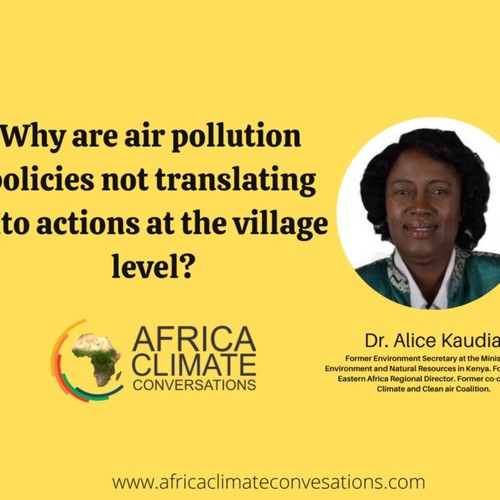
Why are air pollution policies not translating into actions at the village level?
Cities in Africa are fast-growing. Sub-Saharan Africa is projected to have 13 megacities by 2100. A 2021 UN Environment report on Air Pollution and Development in Africa shows that outdoor air pollution was responsible for an estimated nearly 400,000 deaths across Africa in 2019.
Economically, countries like Ethiopia, Ghana, and Rwanda annually are recurring losses in the economical producti
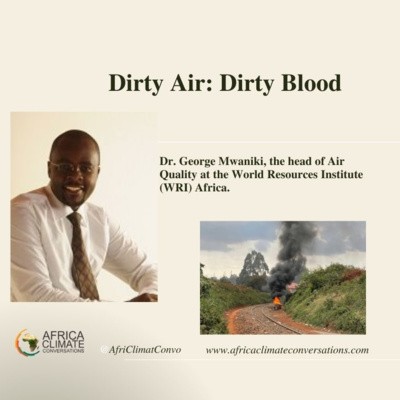
Dirty Air: Dirty Blood!
Did you know that you breathe about 150 liters of air daily and that the air you breathe goes directly to your lungs and bloodstream? Dr. George Mwaniki, the head of Air Quality at the World Resources Institute (WRI) Africa, says breathing in dirty air sucks in tiny particles that can damage lungs, hearts, and brains.
The world health organization reckons that reducing air pollution levels c
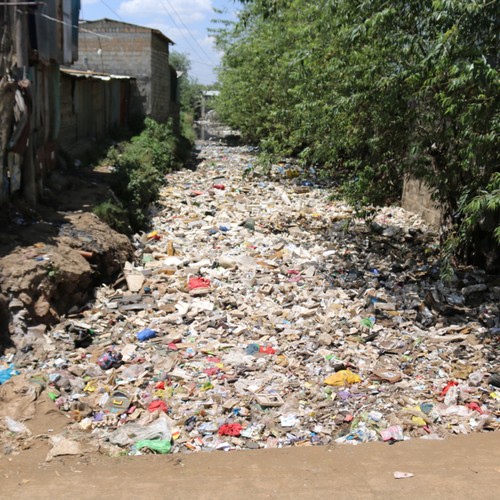
Welcome Back: Lets talk about air pollution in Africa.
Africa's growth has been accelerating for the last twenty years. Before the Covid-19 outbreak, Africa was on track to more than triple its population this century. While this growth is excellent, it brings enormous air pollution challenges.
Air pollution is one of the most significant environmental risks to health. The world health organization reckons that reducing air pollution levels can
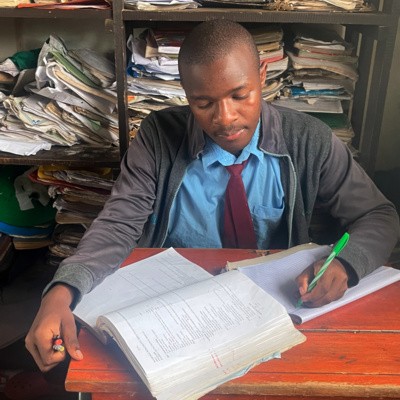
A Kenyan school taking the extra mile to raise school fees for its needy students.
A recent report on education by the United Nations Educational, Scientific and Cultural Organization (UNESCO) shows that 1 in every three families in Kenya and Uganda borrows money for school fees. Meet vulnerable students from Njumbi High school in Murang'a county in central Kenya whose parents cannot afford to raise their school fees since joining the school.
The school office of the Champ
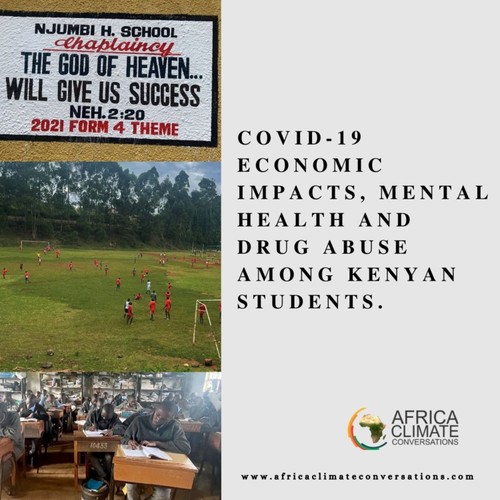
Covid-19 economic impacts, mental health and drug abuse among Kenyan students.
This December, I thought it best to look back into our communities as we approach the holiday season. Today, this episode highlights the economic impacts Covid 19 has had on schools, drug surges, and mental health impacts.
As of November 2020, the World Bank data shows that the COVID-19 pandemic pushed an estimated two million people into poverty in Kenya. The economic and social disruptions
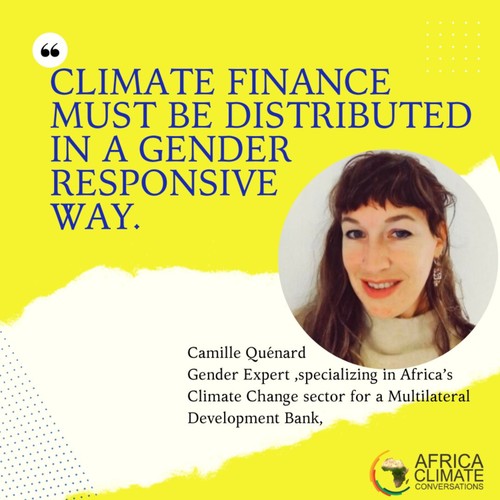
Climate Finance must be distributed in a Gender responsive way.
Annually, nearly 20 million people leave their homes due to climate-induced displacement, according to the United Nations High Commissioner for Refugees. 80 percent of those displaced are women and girls
Women are key agents of change, but education is vital in developing required leadership traits. During the Gender Day celebrated during the just-concluded UN climate summit (COP26), the need to m
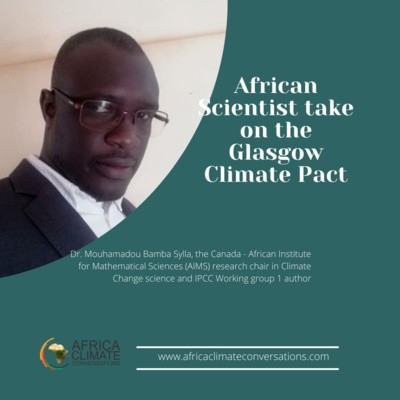
African Scientist take on the Glasgow Climate pact.
The Intergovernmental Panel on Climate Change (IPCC) latest report on global warming clearly shows that human influence is responsible for warming the atmosphere. In today's conversation, Africa Climate Conversations ask Dr. Mouhamadou Bamba Sylla, the AIMS-Canada Research Chair in Climate Change Science at the African Institute for Mathematical Sciences Rwanda, if the pledges made at the just con
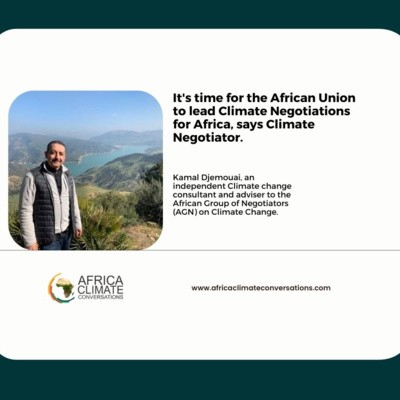
It's time for the African Union to lead Climate Negotiations for Africa, says Climate Negotiator.
Africa is the most vulnerable to climate change and among the most impacted by climate change. Under the international climate negotiations, the continent negotiates as a group under the African Group of negotiators (AGN) on climate change.
However, 33 African countries are classified as Least Developed Countries (LDC). The countries negotiate under the LDC negotiating stream under the United Nati
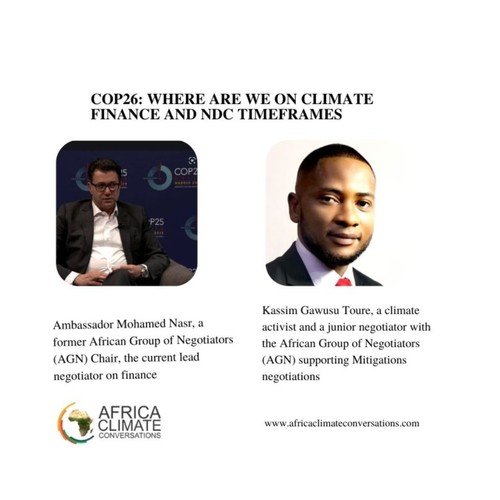
COP26: Where are we on Climate finance and NDC timeframes?
For the world to achieve the Paris agreement goals, climate finance which has been a contentious issue under climate negotiations, is critical. Also, implementing national commitments or NDC's is essential. Negotiators have been discussing long-term finance and the common time frame by which NDC's communicated by countries must be implemented.
Today, Ambassador Mohamed Nasr, a former African Group
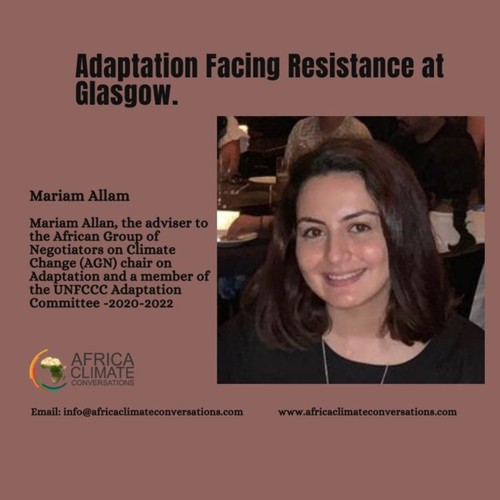
Adaptation facing Resistance at Glasgow.
Africa is the continent most vulnerable to climate extremes. The IPCC six assessment report (AR6) confirms the continent warms faster than the global average over both land and oceans. From experiencing the hottest weather in Egypt this August that has occurred in the last 50 years to cyclones and heavy rains that resulted in higher-than-normal vegetation growth providing ideal conditions for dese
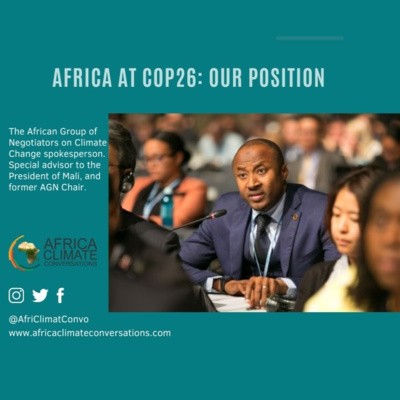
Africa at COP26: Our Position
Covid 19 has already demonstrated the availability of funds when a crisis occurs. Unfortunately, a report by nature shows that when it comes to providing finance for the climate crisis twelve years since Copenhagen, when developed countries promised to make available USD 100 billion annually for poor counties to address the climate crisis, it is clear - we are not yet there. However, a September O
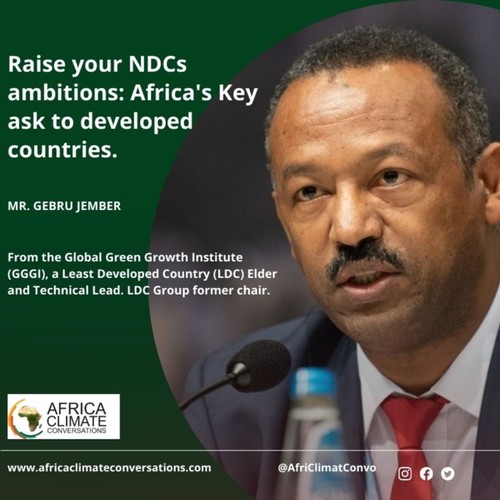
Raise your NDCs ambitions: Africa's key ask to developed countries.
The climate emergency is worsening. The world has witnessed record-high temperatures, widespread wildfires, and increasingly unpredictable floods and droughts. IPCC report on climate science is unequivocal; human activity is to blame. The report reinforced the absolute urgency of closing the 2030 emissions gap if the world limits warming to 1.5°C.
The Nationally Determined Contributions (NDC
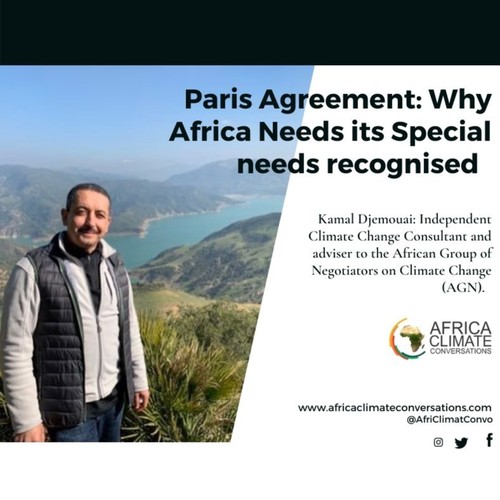
Paris Agreement: Why Africa needs its special needs recognised.
The Kyoto protocol recognised Africa for its vulnerability to climate change. But under the Paris agreement, Africa lost that recognition. The African Group of Negotiators on Climate Change (AGN) says Africa's special needs and circumstances need reinstating. Home to 17 percent of the global population, Africa contributes less than four percent of global emissions and is the most vulnerable
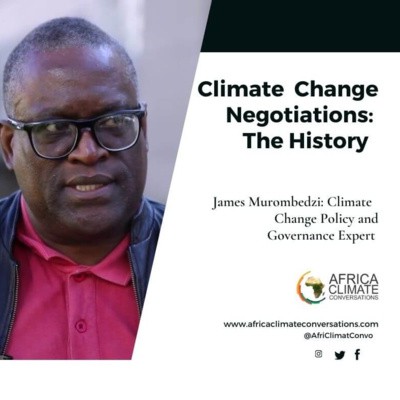
Climate Change Negotiations: The History.
This episode marks the beginning of building momentum to the 26th United Nations Climate Change conference also known as COP26.
We start by contextualizing the current climate change negotiations by looking back to where it originated and how it has evolved. To walk us through that journey, I am joined by a James Murombedzi, a climate change policy and governance expert. COP26 is scheduled i
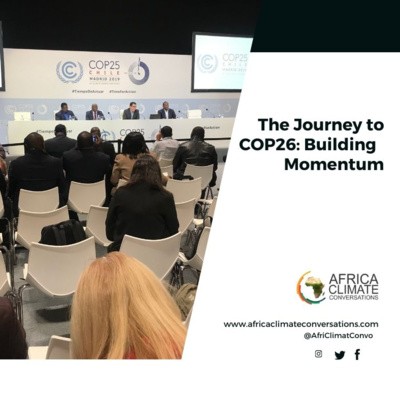
The Journey to COP26: Building Momentum
The 26th annual UN climate conference will occur between 31 October and 12 November this year in Glasgow, Scotland.
Did you know that the climate journey did not start at COP21 with the Paris agreement in 2015? In June 1972, the first world conference to make the environment a critical issue was held in Stockholm, Sweden. That is the United Nations Conference on the Environment.
Twenty years later
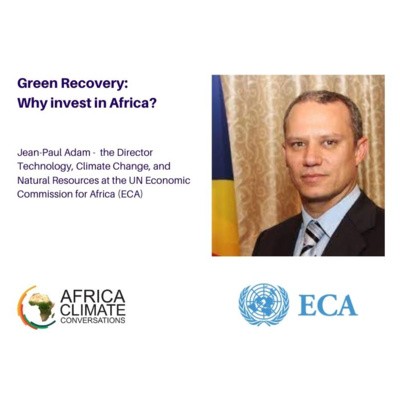
Green Recovery: Why invest in Africa?
Africa representing over 17 percent of the world population, is responsible for less than four percent of global emissions. But the continent has significant assets in terms of carbon sinks. Jean-Paul Adam, the director for Technology, Climate Change, and Natural Resources at the UN Economic Commission for Africa (ECA), says the Congo basin alone accounts for three years' worth of global
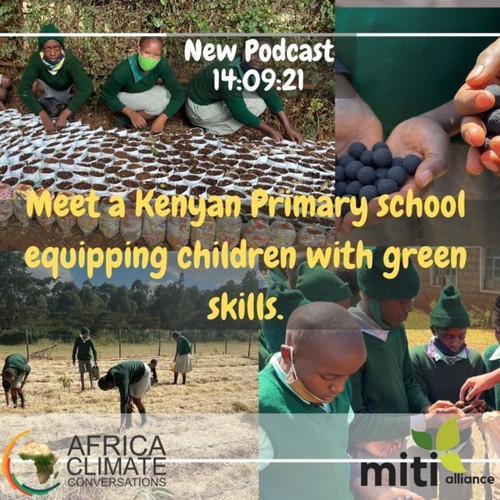
Meet a Kenyan Primary school equipping children with green skills.
A 2021 report Climate Crisis Is a Child Rights Crisis by the United Nations Children's Fund (UNICEF) notes that today's children and young people face an uncertain future because of the impacts of climate change.
Globally, almost every child on earth is exposed to at least one climate and environmental hazard, shock, or stress such as heatwaves, cyclones, air pollution, flooding, and water scarcit
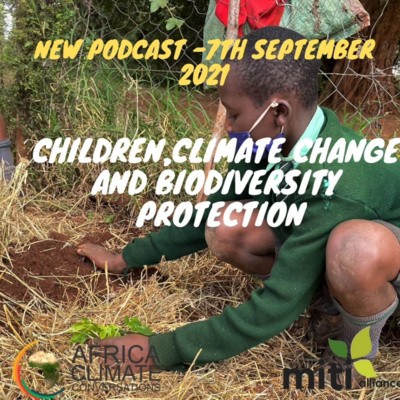
Children, Climate Change, and Biodiversity Protection
This week, we are talking about empowering children to conserve biodiversity and the environment. It is what Miti Alliance has been doing for the last nine years.
Miti Alliance is a social enterprise focusing on planting and growing trees across schools, forests, communities aimed at planting five million trees by 2025
In 2020, the Miti alliance worked with 71 Schools, planted 50 kitchen gard
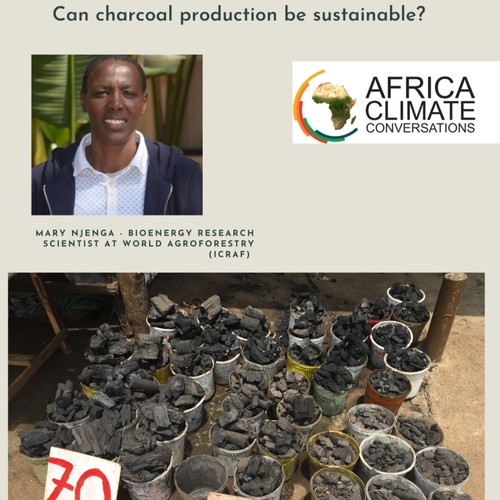
Can charcoal production be sustainable?
Did you know that a third of Africa's forests have already been lost, mainly to charcoal production? Yes, that is according to the world forest organization.
In Kenya, the Center for International Forestry Research (CIFOR) notes that more than 70 per cent of the domestic energy demand for cooking and heating has been met by charcoal over decades. For a ton of charcoal produced, about ten tone
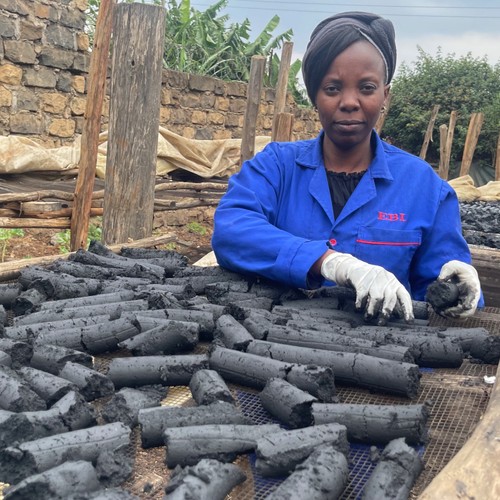
Kenyan entrepreneur turned to Greener Charcoal to save her poultry.
Today we are in Kenya's Nakuru County in a town named Mai Mahiu meaning "hot water" about 60kms drive from Nairobi City.
Here we meet Lydia Njung'e, the CEO of Eversave Briquettes Limited.
Since 2010, Njung'e has been using agricultural waste materials for manufacturing briquettes. The business started after Njung'e; then, a poultry farmer lost over 2000 birds overnight to carbon poisoning. While