Asili Africa
This podcast explores the origins of Africa's largest companies. Each episode provides an in-depth look at how these businesses began and evolved. The show focuses on the foundational stories behind their success, offering a deep dive into the early days of Africa's corporate giants.
Episodes
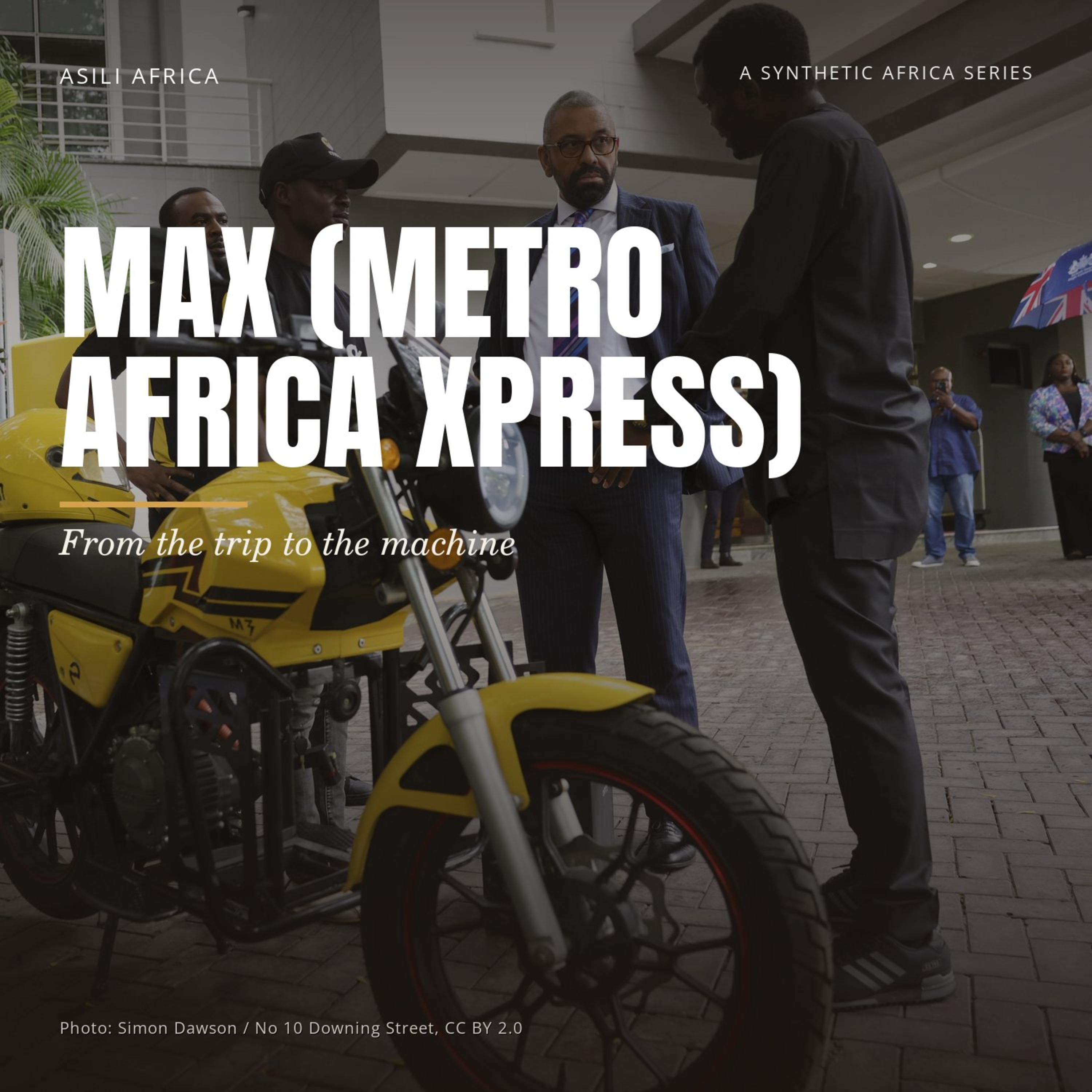
MAX (Metro Africa Xpress) (Nigeria): From the trip to the machine
MAX began in Lagos at the turn of 2016 delivering parcels on twenty motorcycles, started by two Nigerian students from MIT Sloan. In 2018 it began financing motorcycles to its riders. When Lagos restricted motorcycle taxis and tricycles across major areas in February 2020, Rest of World reported that MAX was left with $6.7 million of motorcycles that could no longer be used there, and nearly two t
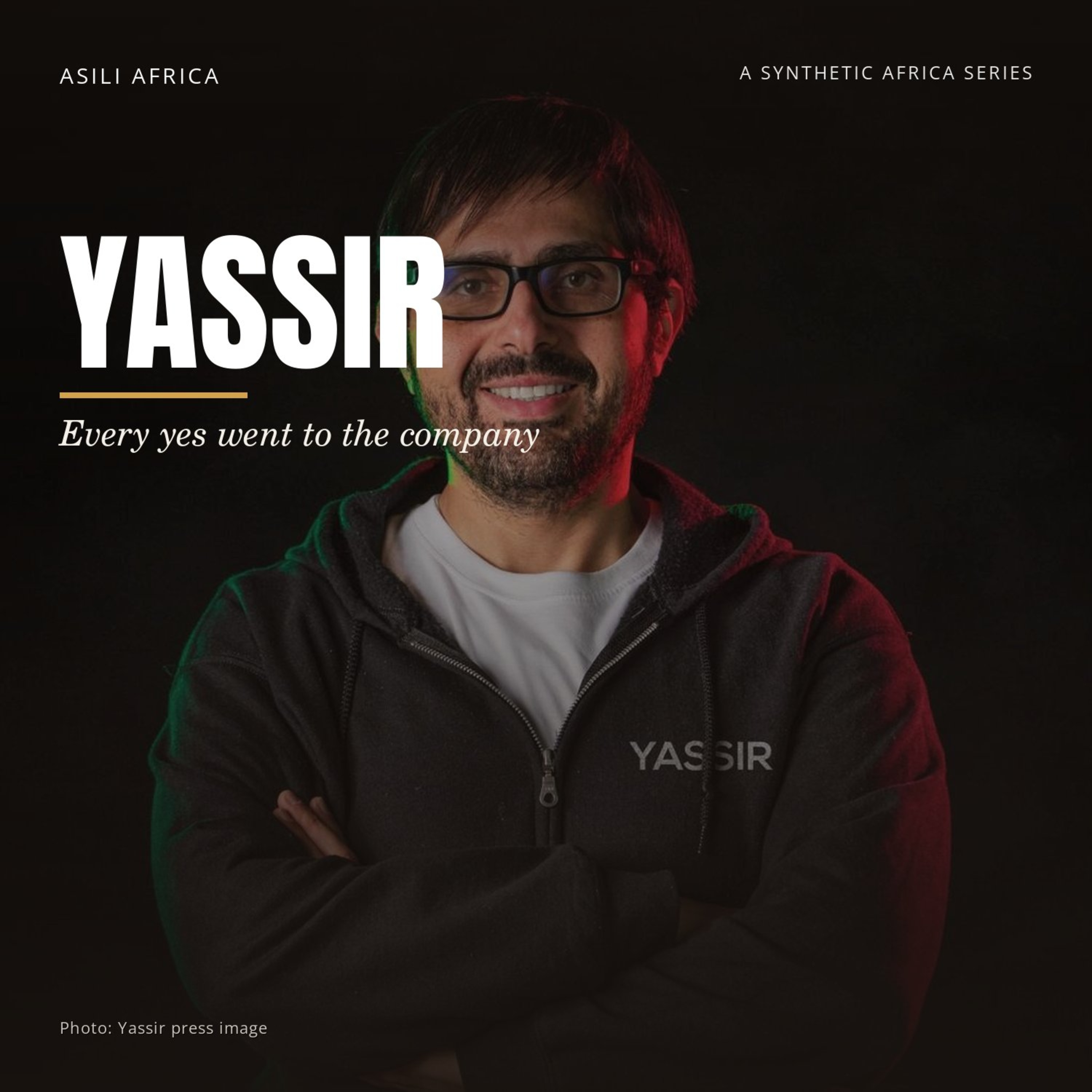
Yassir (Algeria): Every yes went to the company
Yassir started in Algiers in 2017 as a ride hailing app, founded by Noureddine Tayebi and Mahdi Yettou, and grew into a super app for deliveries, groceries and payments. Tayebi called his idea banking as a platform: earn people's trust with everyday services, then carry their money. Y Combinator admitted it, investors put 150 million dollars into a 2022 round, a Paris court chose it as one of
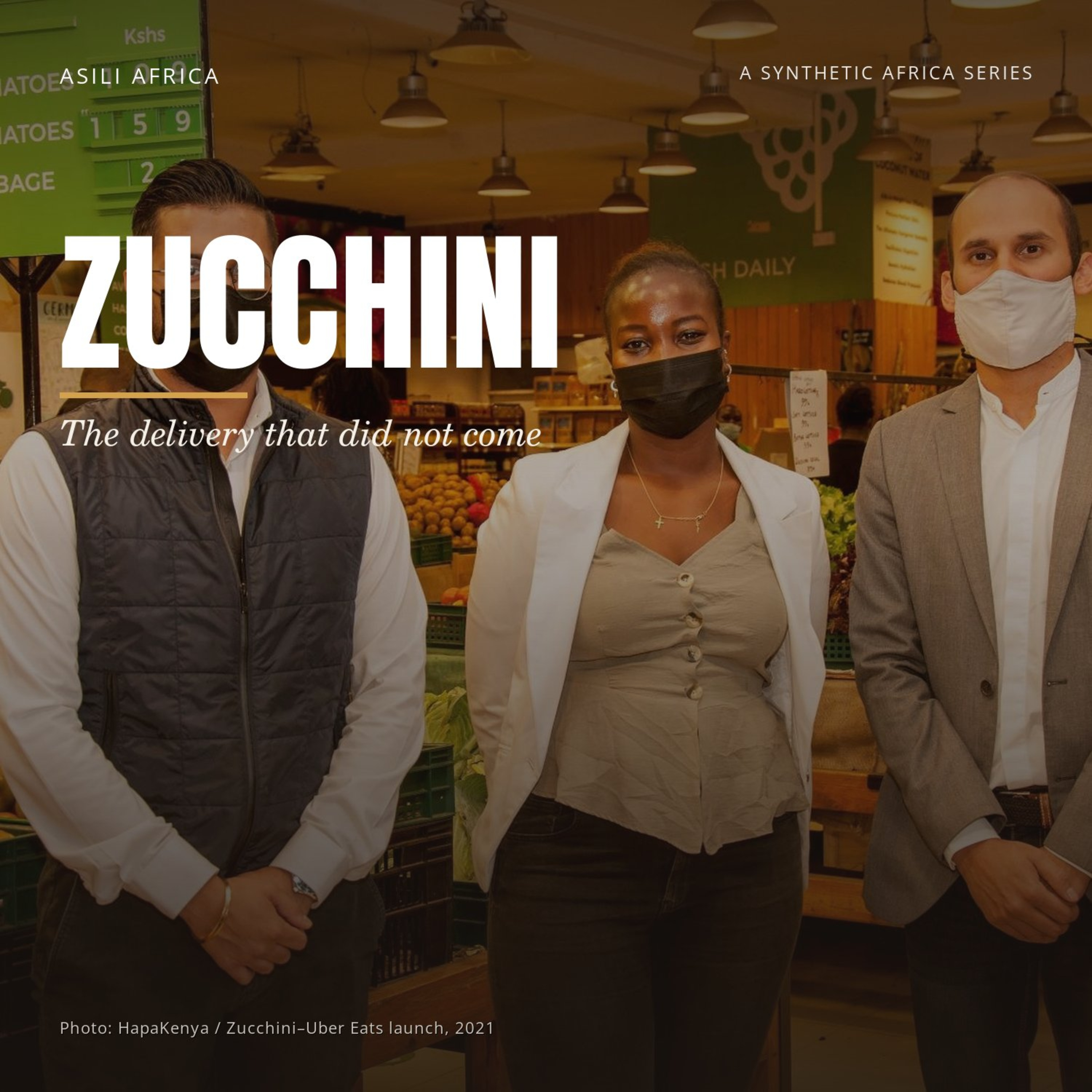
Zucchini (Kenya): The delivery that did not come
In 1991, a butcher at ABC Place in Westlands, Nairobi, suggested that the shopping centre needed a vegetable shop. Sukhwinder Jandu, a young biochemist, opened one in a corner of Continental Supermarket with 35,000 shillings of savings. By his own account, when a trader at Wakulima Market promised a delivery and did not make it, he drove to the market himself at four in the morning. In 1995 Zucchi
NCBA (Kenya): Who held it, and how?
Commercial Bank of Africa was founded in Dar es Salaam in 1962 by a consortium based in Switzerland, moved to Nairobi, and was later bought and then sold down by Bank of America. NIC began in 1959 as an asset finance lender. By 2017 the Kenyatta family was Commercial Bank of Africa's largest single shareholder, by a route the record we found does not show, and the Ndegwa family controlled NIC.
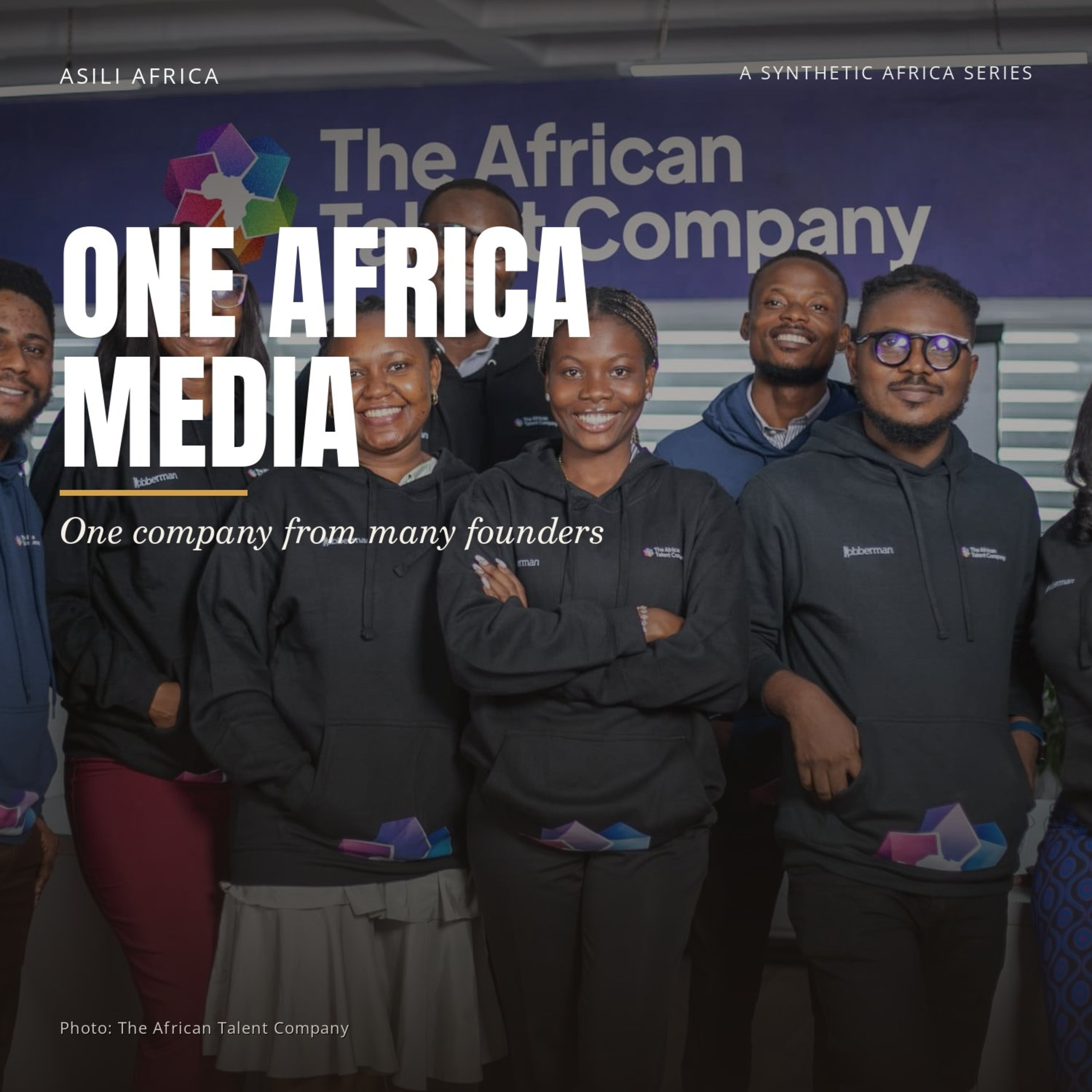
One Africa Media (Pan-African): One company from many founders
One Africa Media was built on one idea: that Africa's separately founded job, car and property sites were worth more as a single company. Founded in 2010 by Justin Clarke and Carey Eaton, it bought into Jobberman in Nigeria and BrighterMonday in Kenya, merged with Ringier's African classifieds, and by 2017 operated in nine countries. Then it narrowed, selling its last car sites in 2021. In
One Africa Media (Pan-African): One company from many founders
One Africa Media was built on one idea: that Africa's separately founded job, car and property sites were worth more as a single company. Founded in 2010 by Justin Clarke and Carey Eaton, it bought into Jobberman in Nigeria and BrighterMonday in Kenya, merged with Ringier's African classifieds, and by 2017 operated in nine countries. Then it narrowed, selling its last car sites in 2021. In
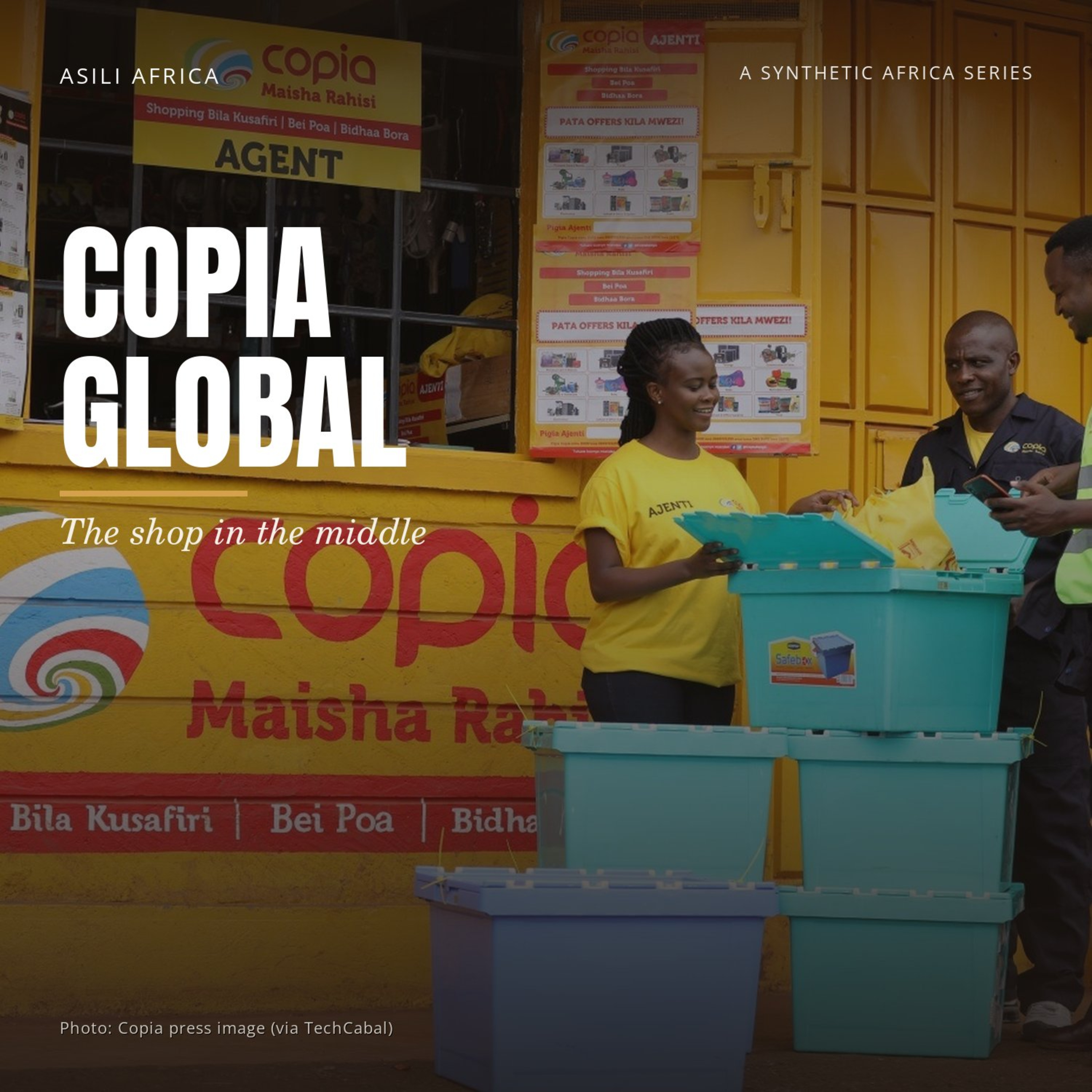
Copia Global (Kenya): The shop in the middle
Copia, launched in Nairobi, made a small shop stand in for the customer's address: orders were placed at the counter, delivered to the shop and paid for there. It grew to tens of thousands of shops, and by March 2021 had served a million different customers, according to a Pioneers Post profile. After leaving Uganda and two rounds of job cuts, it failed to secure new funding, and its board pla
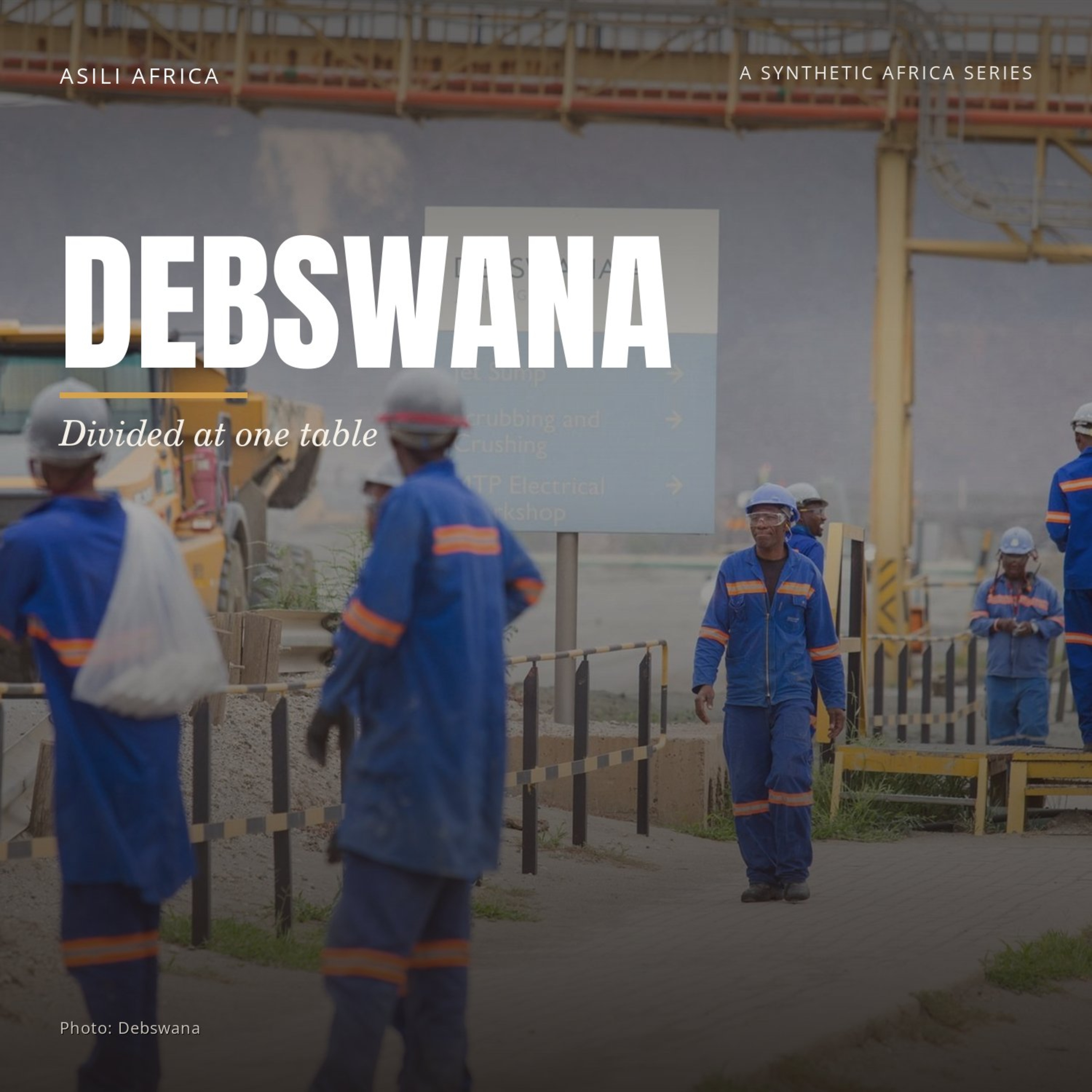
Debswana (Botswana): Divided at one table
Since 1969 the value of Botswana's diamonds has been divided at one table, between the state and De Beers, through the company now called Debswana. The state started with fifteen per cent and won half in 1975. In 2025 a new government signed a sales agreement giving the state's own diamond trader a growing share of Debswana's output. The state also holds a right of first refusal over A
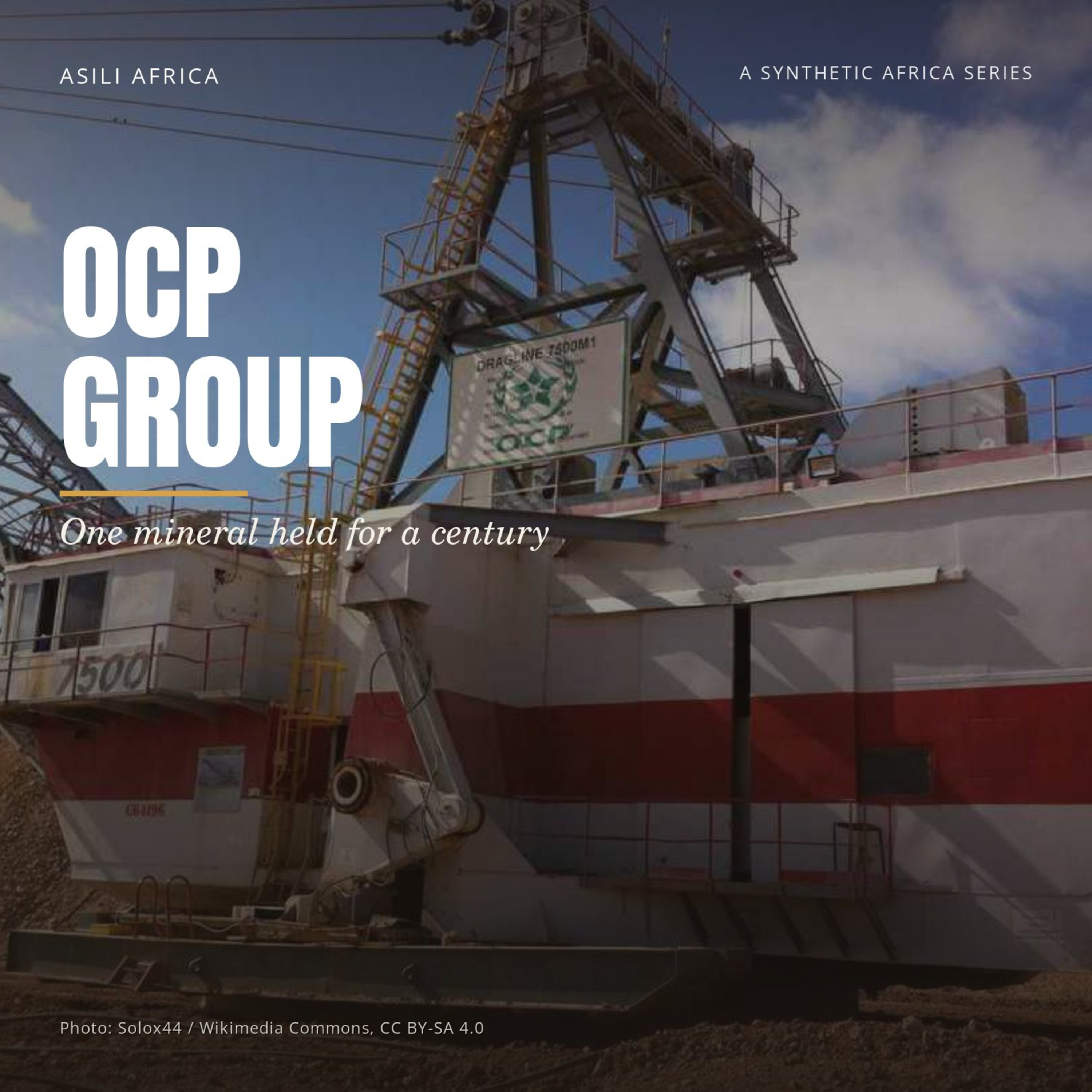
OCP Group (Morocco): One mineral held for a century
In 1920 a dahir created OCP to hold Morocco's phosphate, a mineral with no substitute, and the state has never sold the company. Over a hundred and six years that hold has widened: from the ground to the factory, onto Bou Craa in Western Sahara, a territory whose status has never been settled, and, through a programme still under way, toward its own ammonia and water. Every edge of that hold i
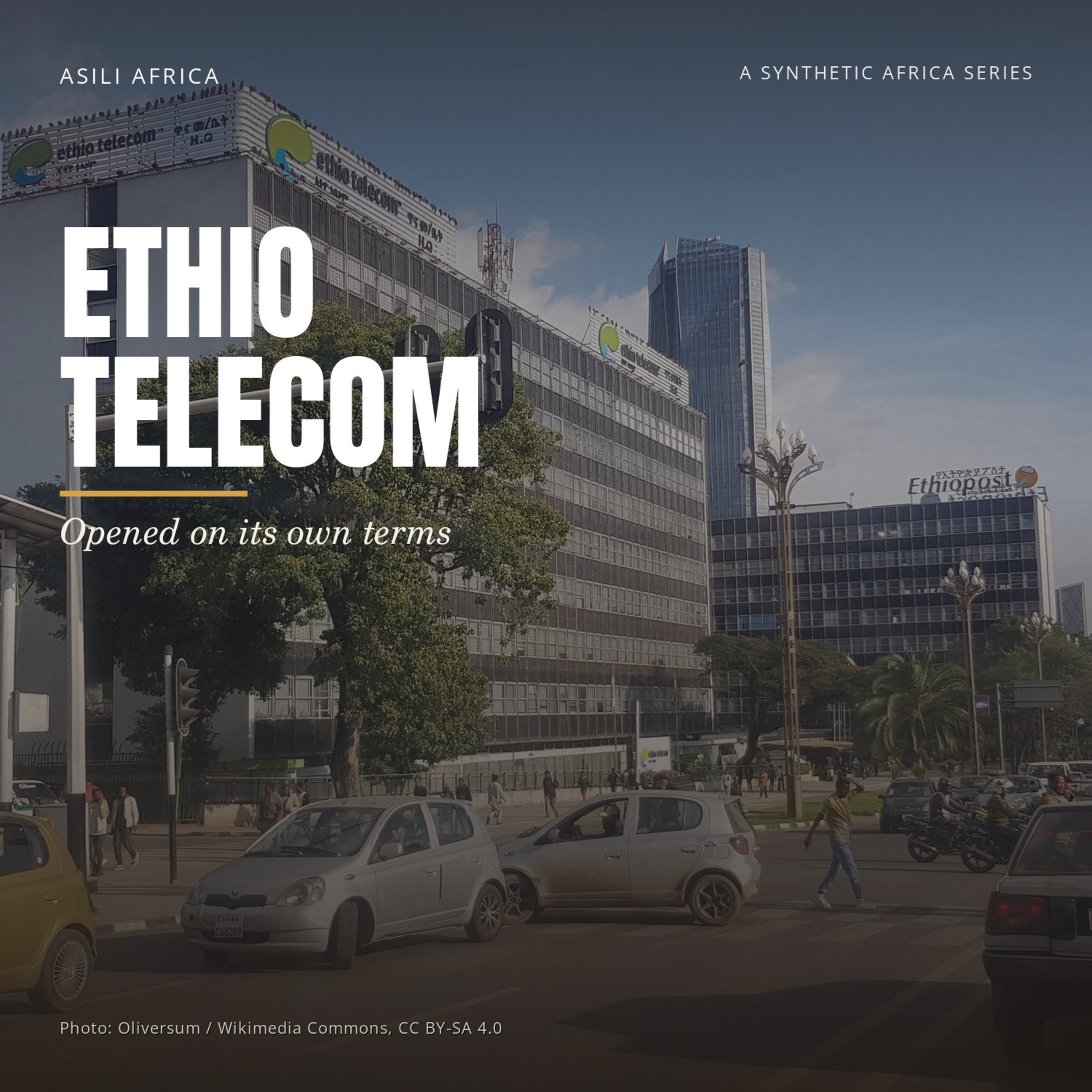
Ethio Telecom (Ethiopia): Opened on its own terms
Ethiopia's telephone network began with an 1894 line from Harar to Addis Ababa, and its only constant since has been the owner. The state opened it on its own terms, one dose at a time: Chinese supplier credit, French managers under contract, one licensed rival, then a tenth of the shares. When the public was offered that tenth, it bought about a tenth of what was offered.
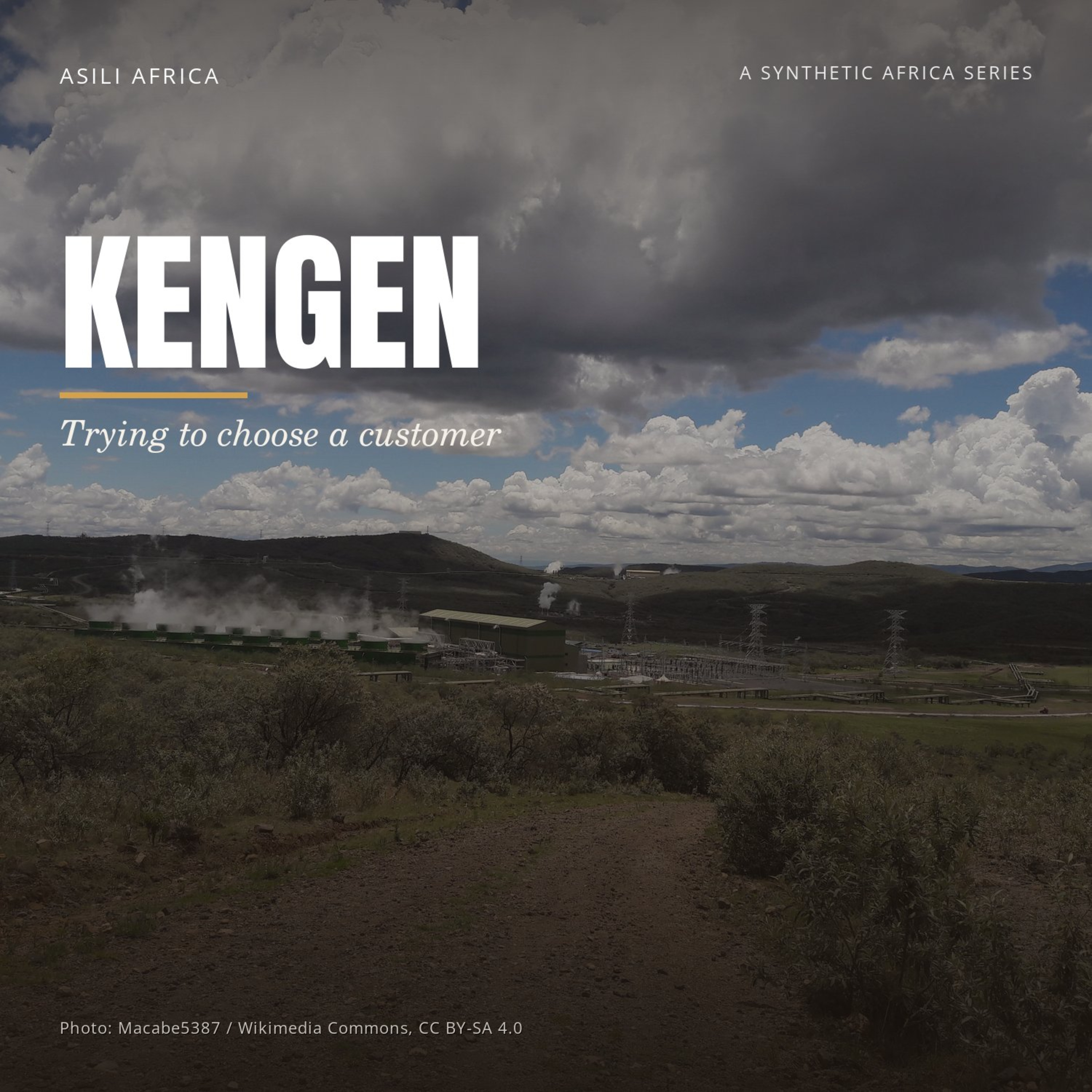
KenGen (Kenya): Trying to choose a customer
KenGen sells every unit of its electricity to one buyer, Kenya Power, and by its own reporting supplied 59 per cent of what Kenya Power bought in the year to June 2025, on average more cheaply than private producers. The company began in 1954 to carry imported power, and was run inside the state power monopoly until reforms tied to World Bank funding separated it. Its Olkaria geothermal power came
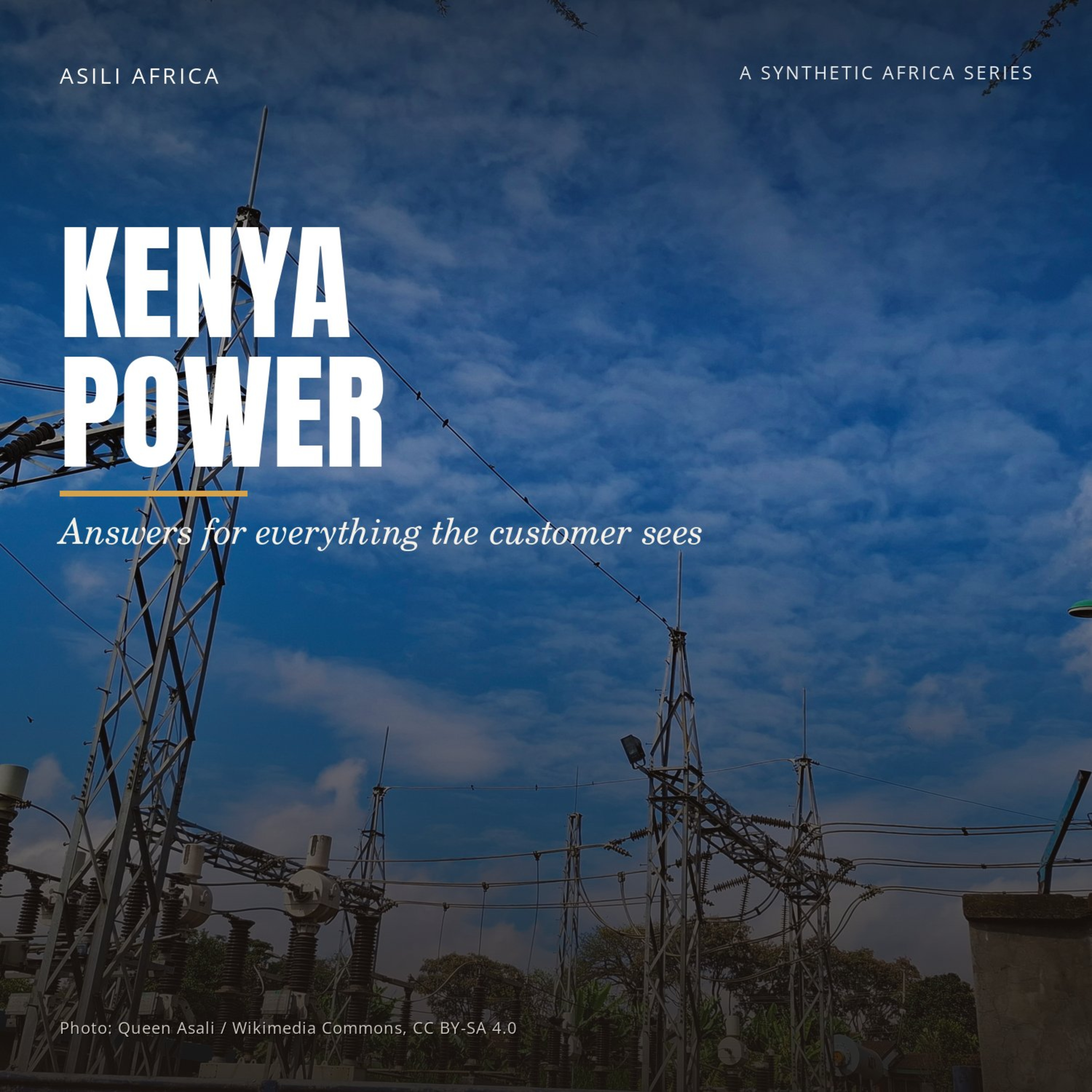
Kenya Power (Kenya): Answers for everything the customer sees
Kenya Power began as a 1922 merger of two small electricity franchises, and it is the part of Kenya's electricity system every customer touches: the wire, the meter and the bill. Generation went to KenGen in 1997, and new high-voltage lines to KETRACO in 2008. The state repaired its balance sheet in 2003, 2010 and 2022; the record shows none of those rescues changing the power purchase contrac
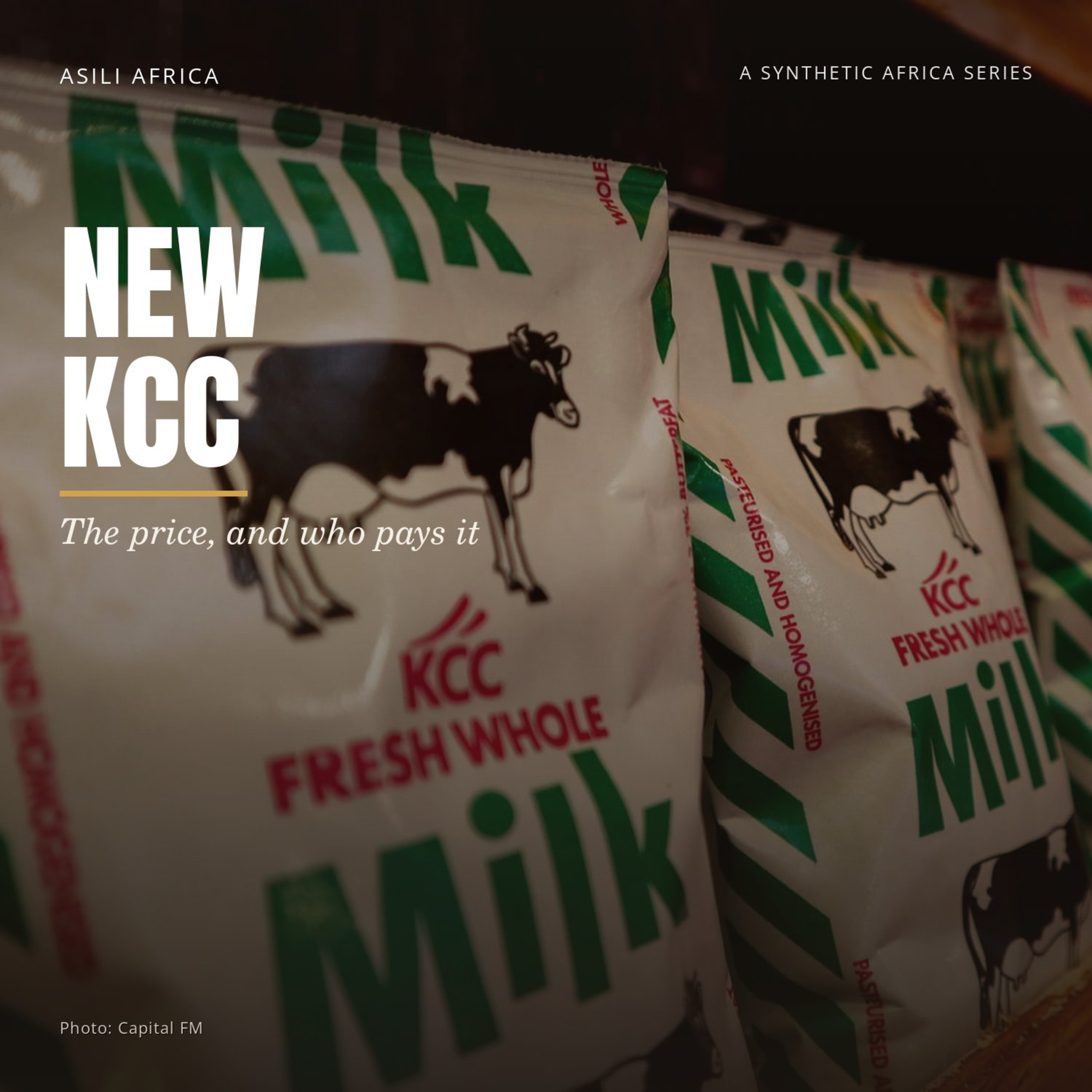
New KCC (Kenya): The price, and who pays it
In 1924, Rift Valley dairy farmers met because none of them could get a steady price alone. The creamery that followed, Kenya Co-operative Creameries, became in effect the only buyer for the formal urban milk market, a floor under the price. After liberalisation and years of political appointments, it went into receivership in 1999 and was sold to private investors the record does not name. In 200
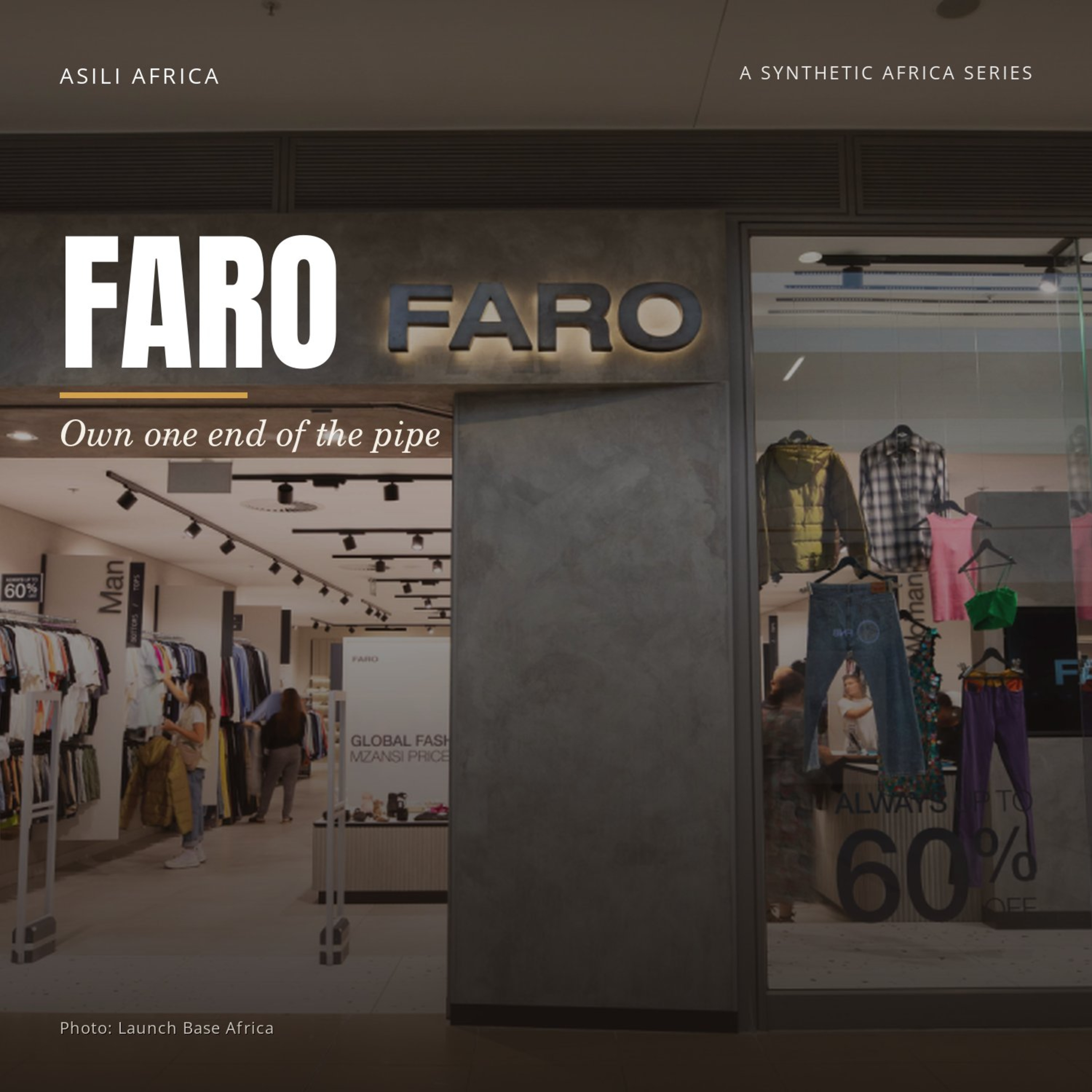
FARO (South Africa): Own one end of the pipe
FARO is a Cape Town retailer that sells global brands' surplus and returned clothes at about sixty percent off, after cleaning and repairing them in its own warehouse. Its co-founder, William McCarren, had built Zumi in Nairobi, a platform that sat between suppliers and small shops; Zumi shut down in 2023. Three and a half months later, FARO started with a different answer: own the shop. Its f
Healthy U (Kenya): Teaching customers to meet the state
Healthy U began by teaching people to eat in Westlands, transforming strangers into a community through testing and measurement. Its founder, Sailesh Rach, led this quiet mission alongside managing director Avni Rach. Today, with more than thirty stores across Kenya and Uganda, Healthy U stands before the state with its own clinical methods, ready to redefine public health standards without crossi
Kenya Tea Development Agency (KTDA) (Kenya): What the bonus tells growers
African farmers in Kenya were legally barred from growing tea until 1956. Today about six hundred thousand smallholders deliver leaf to factory companies they own, and fifty four of those factories own KTDA Holdings, which manages them. Each year, the bonus tells growers what that ownership is worth. A government audit ordered in 2020 found growers' money lost on land and legal fees, and recom
Del Monte Kenya (Kenya): Pineapple estates: who lost what?
In 1965 Kenya's government designed a pineapple business with two halves: a foreign company's estate and factory, and smallholders around them selling in. Within a few years the smallholder half had failed, on the government's side of the ledger, and the estate became the whole company. This is that estate: what it has made, who it belongs to, and what holding its edge has cost the peo
Shoprite (South Africa): It knew what things were worth
In 1979 a clothing retailer bought an eight-store Cape Town chain for about a million rand. Shoprite then took over Checkers, and bought OK Bazaars for one rand while the seller guaranteed 540 million rand. A company that knew what things were worth: a Steinhoff near-miss built out of votes, a map of about fifteen countries cut back to seven neighbours, and a home market it now leads.
Chandarana Foodplus (Kenya): Nobody else's money, its own limits
Shantilal Thakkar opened a counter-service shop in Parklands, Nairobi. In 1989 his three sons took over, and by one account their father questioned the rent when Anil pushed for a branch at Yaya Centre. Decades later, as Nakumatt fell, Chandarana bid more than twice the valuation for its fittings, then stopped short of the winning price. A story about a ceiling, and who set it.
Tuskys (Kenya): They dismantled themselves from inside
Tuskys installed every mechanism a professional company is supposed to have, and undid each one from inside. It hired an outside chief executive; the founder's grandchildren threw him out of the building. In 2017 a sitting director said under oath that Tuskys had not turned a profit since 2012. Nothing changed. Sixty-four stores became five. A company that failed slowly, in writing, in front o
Precision Air (Tanzania): Who keeps Precision Air flying?
Precision Air flew from Arusha chasing safari trade dreams since nineteen seventy nine, relying on Kenya Airways until it nearly collapsed twice. The state stepped back in only to face bankruptcy again before a final crash over Lake Victoria killed nineteen lives. Its journey spans three distinct crises, proving one rescue is never enough when balance sheets refuse to hold steady.
Kenya Airways (Kenya): No owners ever chose Kenya Airways
Kenya Airways began in 1977 as a government decree, created because East African Airways had collapsed and nothing else existed. It was privatized in 1996 and became the first African flag carrier sold to private investors. Then came expansion, losses, and a debt swap that handed a third of the company to its own bankers. Fifty years on, the state is still looking for a buyer.
Ushahidi (Kenya): Seeing is an intervention nobody used
In January 2008, after Kenya's disputed election, four technologists built a map in three days. More than 1,200 people were killed in the violence that followed, and Ushahidi counted more of it than the national press did. It became the template for crisis mapping worldwide — and is, on paper, a Florida non-profit whose own recent record nobody has read.
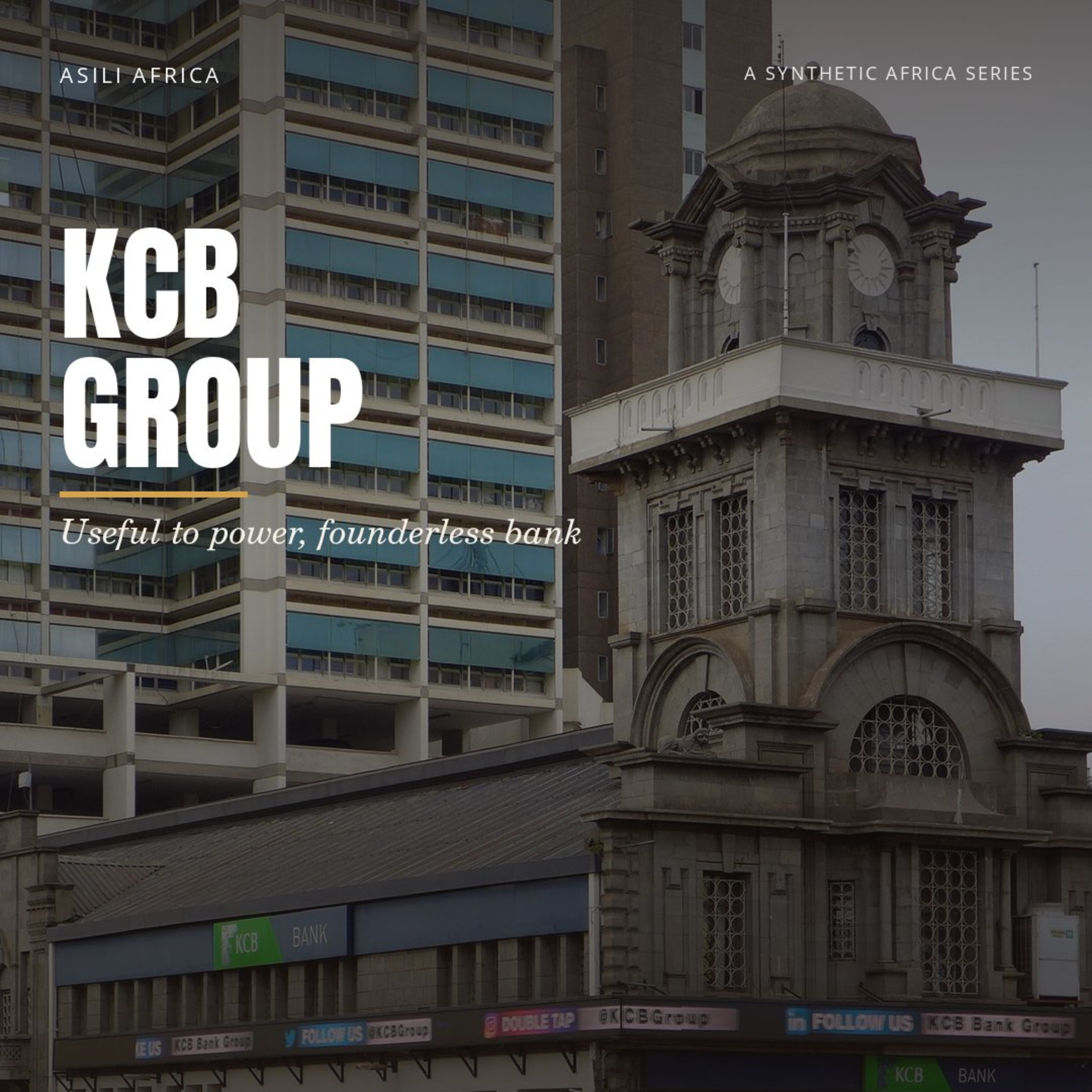
KCB Group (Kenya): Useful to power, founderless bank
For a hundred and thirty years without a founder, Kenya's power shifted through KCB Group, an institution built by Indian-registered London bankers before Kenya existed. From its 1896 Mombasa roots to state-owned nationalisation in 1970, the bank served whichever government held authority, surviving every political cycle unbroken. Its journey continues today under new leadership with ties to t
Brookside Dairy (Kenya): Paperwork bought; milk elsewhere
Brookside Dairy began as a small operation in Ruiru, selling five thousand litres daily before swelling to one million. Its history defies typical narratives of crisis or failed founders, as there was no near-death moment requiring rescue. Instead, the company quietly expanded through strategic acquisitions like Buzeki and Ilara, growing without needing to answer to anyone for over three decades.
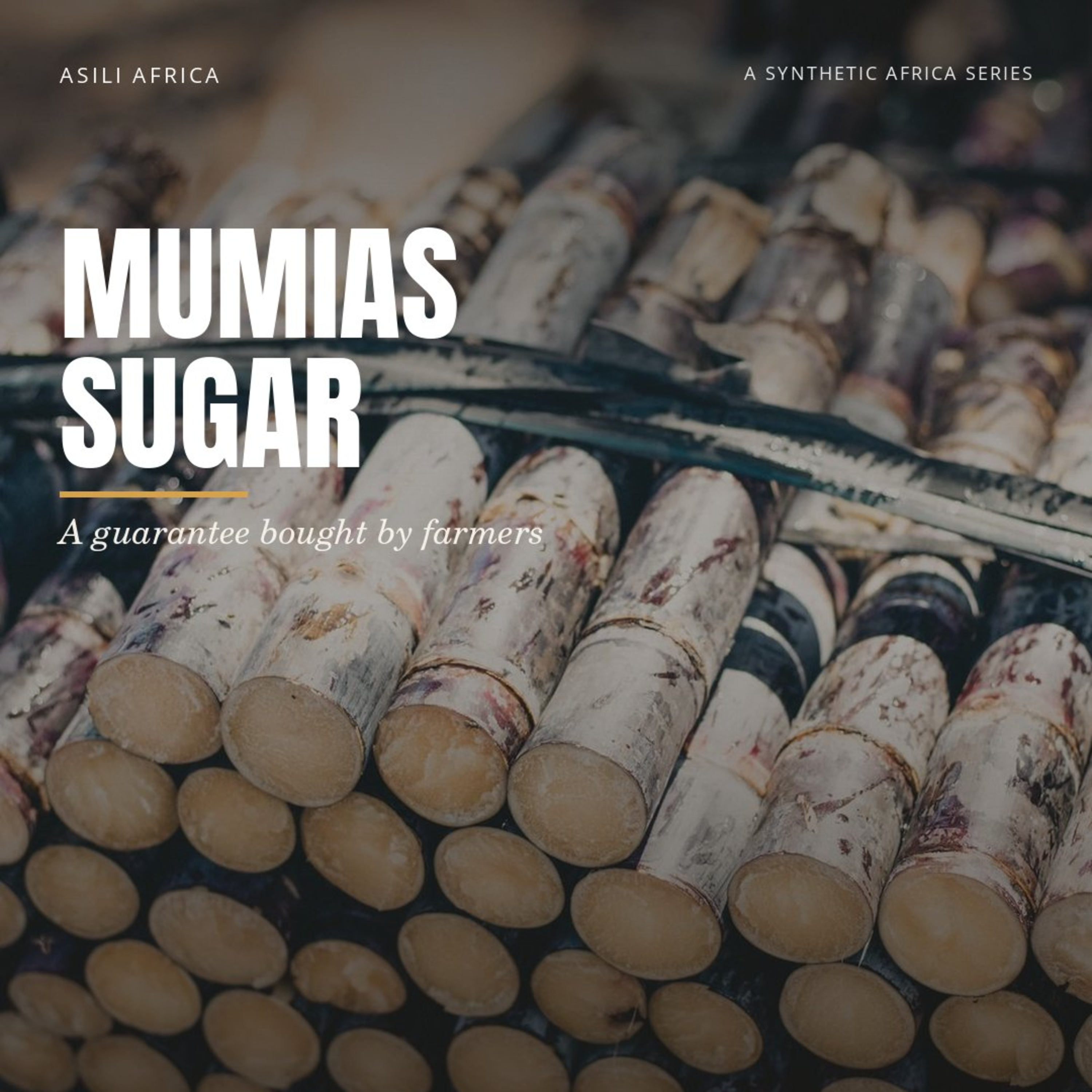
Mumias Sugar (Kenya): The bargain that bought Kenya sugar
Mumias began as a bargain: a guaranteed buyer for cane legally locked to one mill by zoning. It ran through state underwriting, farmer out-growers, and imported sugar packed in their bags until an audit surfaced disputes over profits and bailouts. Now, after twenty years of unpaid claims, the promise returns to those who held it all along.
Bamburi Cement (Kenya): Ground that was left behind
Bamburi Cement's value lay in a coral reef beneath foreign ownership where founders remained distant. A 2024 control shift turned a guarded holding into a future foundation after villagers reclaimed Chikuyumtole against Diani Estate while General Service Unit patrolled since 2007. No court has ruled on the land dispute that remains the spine of this story about capital, silence, and the forest
VALR (South Africa): Waiting is not for retail
VALR emerged when four founders left a bank for refusing to ship crypto. For five years, they built an entire regulatory framework from scratch, guided by a Baha'i vision of global unity anchored in 1999 documents.When South Africa finally licensed them in April 2024, their user base doubled instantly. Now, they connect on-chain liquidity across borders using the very system regulators never t

Timon (Nigeria): Stablecoins in wallets, not dollar cards
Timon exists for the traveler whose dollar card fails abroad, funded by stablecoins like USDT and USDC rather than traditional bank rails. Co-founded in Mannheim after leaving CrowdForce's FairMoney exit, CEO Tomi Ayorinde and COO Chizaram Ucheaga built the solution not from regulatory fear but from the reality that seventy percent of their customers hold digital dollars in wallets.

Bitnob (Nigeria): Plumbing Bitcoin's Retail Loss in Africa
Bitnob turned Bitcoin's lost retail argument into a profitable plumbing system by partnering with Strike to move Tether across borders. Founded in a Ghanaian hostel, it navigated regulatory walls while scaling operations beyond the original founders' expectations. This story explains how a niche technical rail became critical infrastructure for billions transferred globally, revealing why

Weego (Morocco): Endurance is the strategy
Weego Mobility Lab refuses the startup myth, proving endurance over hype as four co-founders—two from Senegal, two from Morocco—navigate a pandemic pivot in Kenitra. The story traces the journey from Sunubus to today's modest seed, ignoring the hero narrative and focusing instead on the quiet reality of building something that doesn't need an audience to exist yet.

OKO Finance (Mali): What Nine Years of Silence Revealed
This is the story of OKO Finance. Simon Schwall, and two co-founders barely on the record — Raphael Haziza the actuary, Shehzad Lokhandwalla the CTO. A 2019 pilot in Mali with 450 farmers, Allianz underwriting, Orange Money paying out on a parametric trigger — a rainfall satellite crossing a threshold, no adjuster in the field. Twenty thousand CFA in, thirty thousand CFA out, automatically.

Ampersand (Rwanda): The Battery Grid, Not the Motorcycle Maker
The battery grid, not the motorcycle maker - and when a competitor with three to four times the capital came for the motorcycle, Ampersand let it come.In the mid-2010s an engineer in Rwanda was keeping lithium batteries running on the rooftops of rural health clinics. In 2016 he and three others incorporated a company in Kigali to put that same chemistry under a motorcycle seat.This is the story o

Onafriq (Pan-African): Be the Wire, Not the Storefront
Be the wire, not the storefront — and seventeen years later, nobody outside the company can tell how well it is doing.In 2009 a man in Johannesburg registered a company on a conviction: that African mobile wallets would never talk to each other unless somebody built the wire between them.He was right, and he was unpaid for it, for eight years.This is the story of what that choice bought and what i

Naivas (Kenya): They Kept the Business by Giving Up the Company
They kept the business by giving up the company — and the one time they refused, it cost them Walmart.In 1990 a young man inherited a general store from his uncle. Today it is the largest supermarket chain in Kenya, and the founding family owns forty-nine per cent of it.This is the story of what that family sold, and when. A will that handed the company to the four children who worked in it, and t
Naspers/Prosus (South Africa): Nothing this company ever did was made to cost it anything — and the only bill it has ever been sent was for winning.
This is the one where a company spends a hundred and eleven years never once being made to pay for anything it did, and then gets handed a bill for the only thing it got right. Let's get into it.
Uchumi (Kenya): Once the oldest formal supermarket chain in Kenya
This is the story of the oldest supermarket chain in Kenya. A company that Kenyan industrial policy invented in nineteen seventy five, that Kenyan retail investors bought into on the Nairobi Stock Exchange in nineteen ninety two, that collapsed for the first time in June of two thousand and six, that came back from that collapse and looked, for a few years, like the great Kenyan corporate turnarou
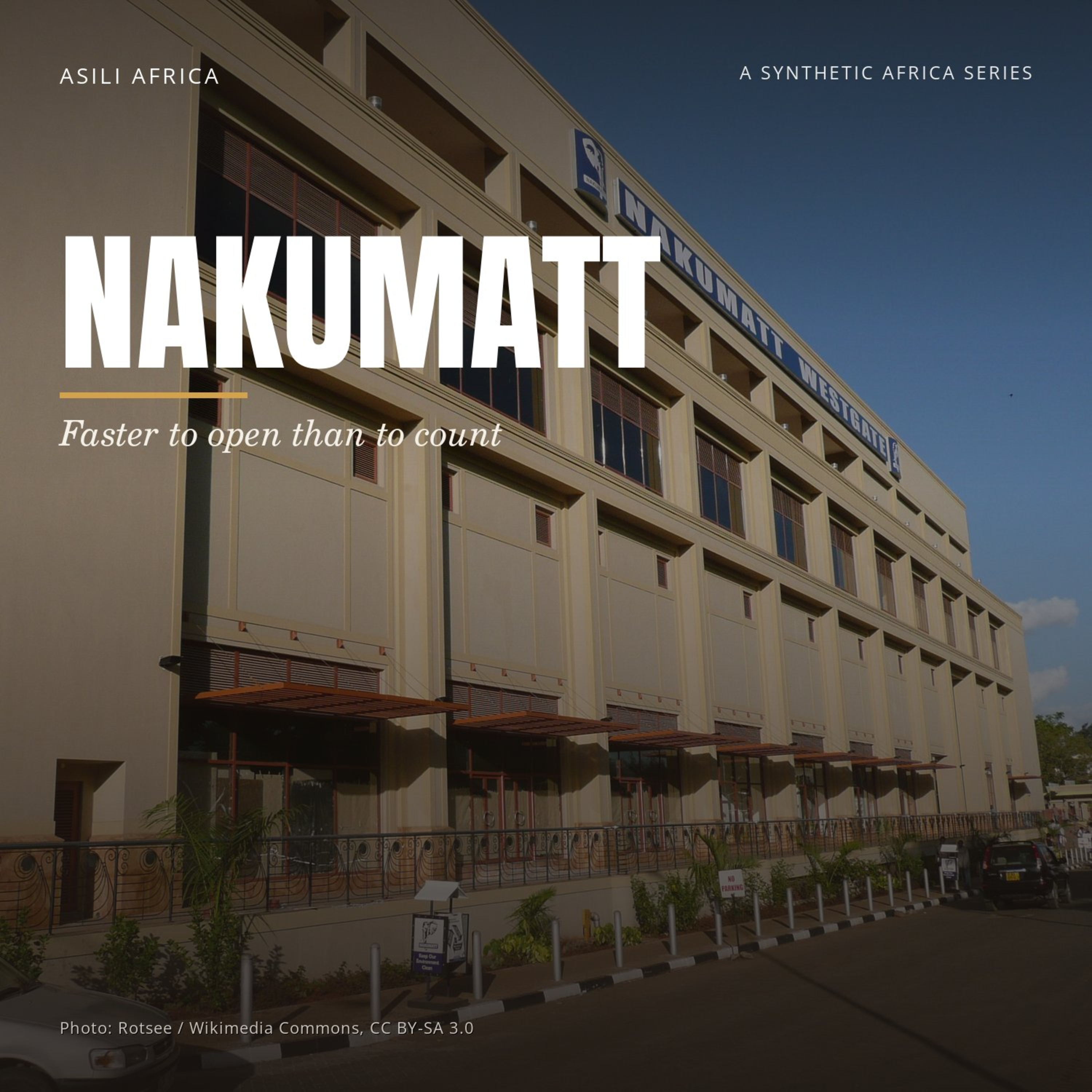
Nakumatt (Kenya): Once the largest supermarket chain in East Africa
This is the story of a Nakuru mattress shop that grew, in twenty five years, into the largest supermarket chain on the eastern side of the continent. And then, in the space of thirty six months, disappeared. It is the largest documented family retail collapse in modern East African business history. And it is the specific case study that every Kenyan supermarket founder standing today, from Naivas
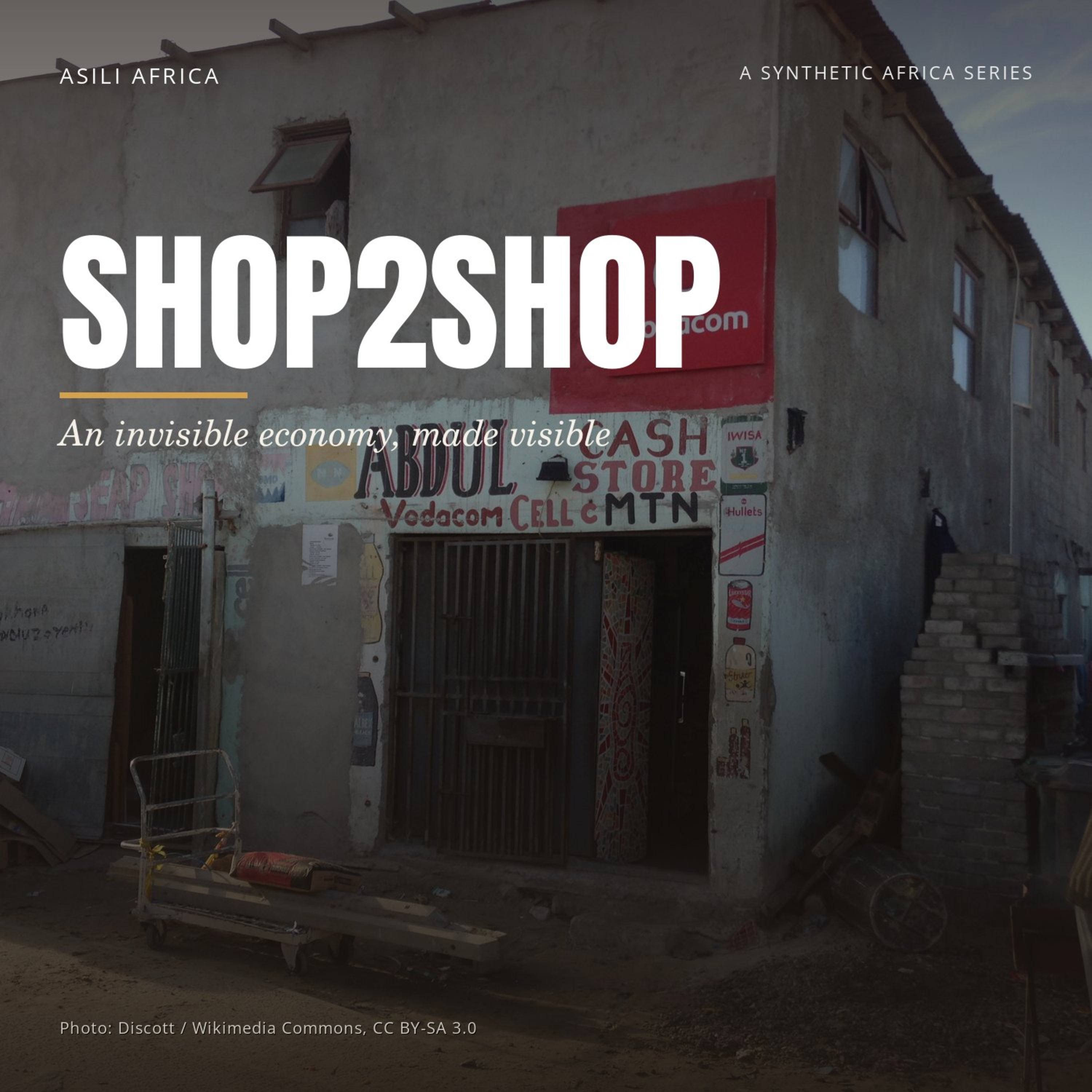
Shop2Shop (South Africa): Fintech solution for marginalized businesses
Two South African brothers built a payments and cash-management platform for the spaza shops, kiosks and micro-merchants that the country's retail banks and card networks quietly stopped serving — stitching together card acquiring, payment terminals, and shop-floor cash rails for informal traders across a ~R1 trillion invisible economy.
Fuzu (Kenya): Nairobi-headquartered talent platform for African professionals
This is the story of Fuzu. The company built from a single moment when fifteen hundred people applied for one Nairobi driver job. The company that outlasted a decade of African online recruitment failures on less capital than most of its rivals had already lost. And the company that read the disruption of its own category by generative AI, and decided to move into the machinery of generative AI it
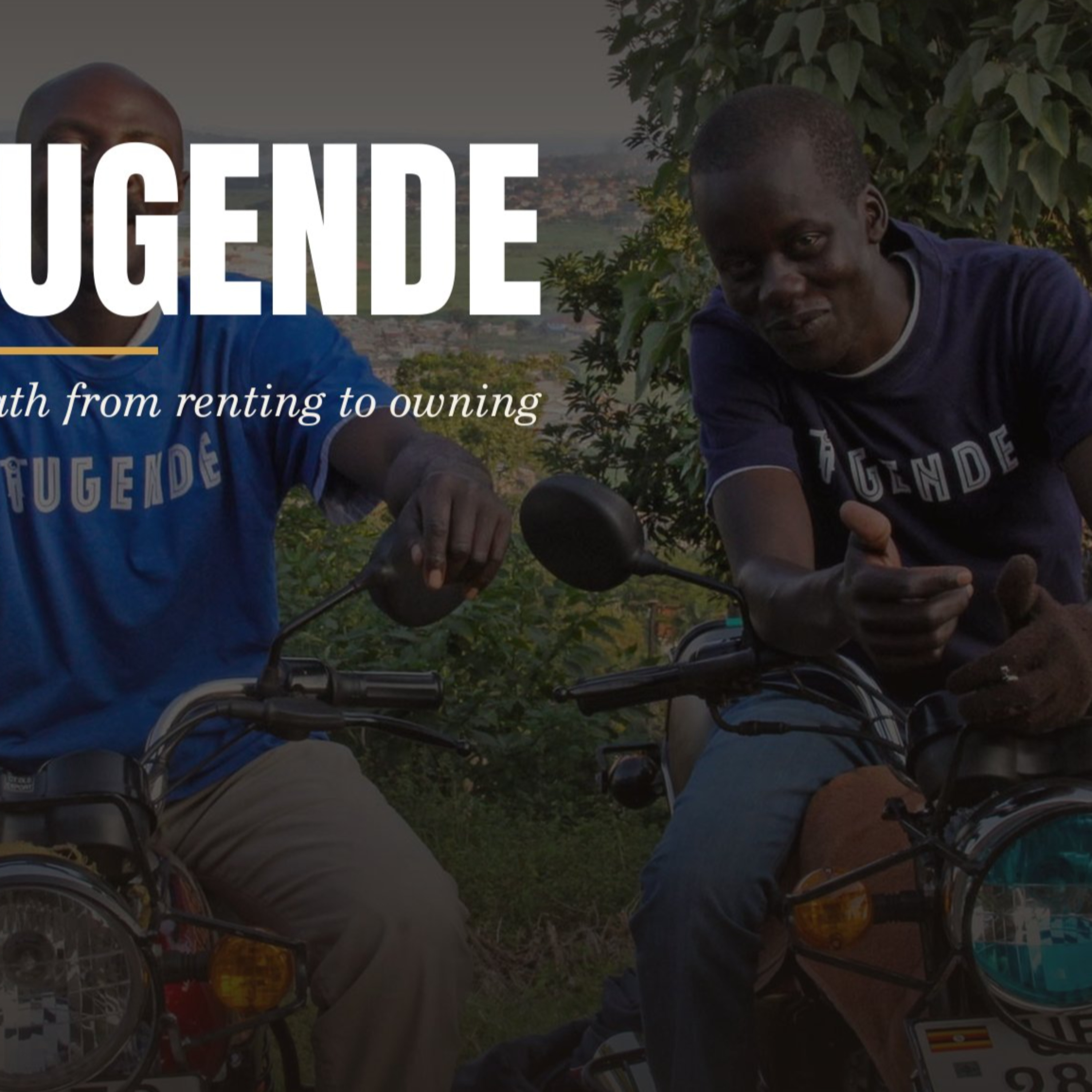
Tugende (Uganda): A Ugandan asset-financing company for boda-bodas
This is the story of Tugende. The company that bet everything on the credit of people banks refused to see, built an empire one daily payment at a time, lost its footing at the worst possible moment, and is now trying to ride back on an electric motorcycle.
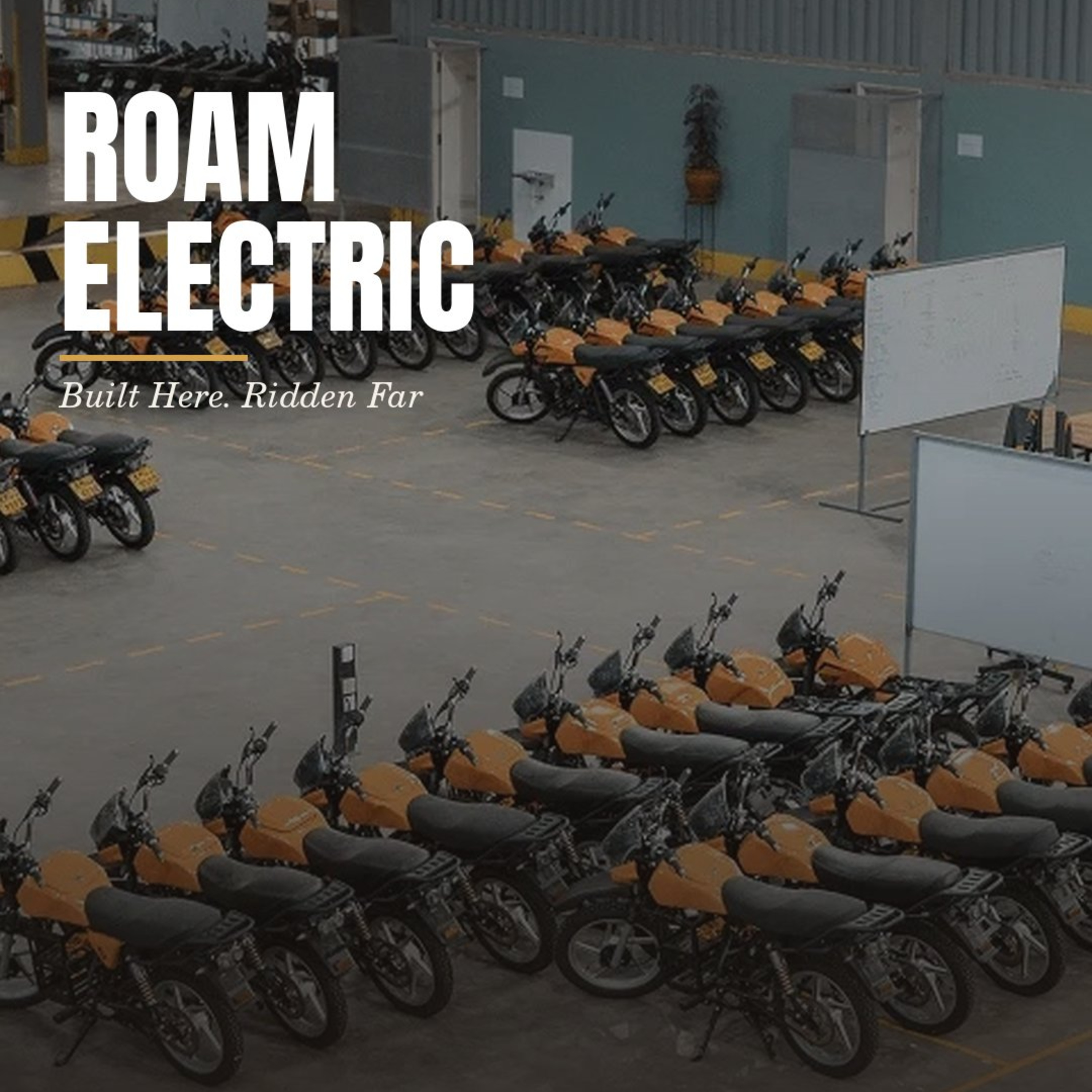
Roam Electric (Kenya): Built in Kenya, Ridden far
Two Swedish engineers — Filip Lövström and Mikael Gånge — walked away from Sweden in 2017 to build electric motorcycles from scratch inside Nairobi rather than importing kits from Asia, then bet the company on manufacturing every part in-country while every other African EV player assembled elsewhere and shipped in.
MAX (Metro Africa Xpress) (Nigeria)
The company was called Metro Africa Xpress. Everyone called it MAX. Its two co-founders had built it out of a classroom at the Massachusetts Institute of Technology six years earlier. They had raised seven million dollars from Silicon Valley and Tokyo the previous summer. They were one of the two most recognised motorcycle hailing brands in the largest city on the African continent. And in a singl
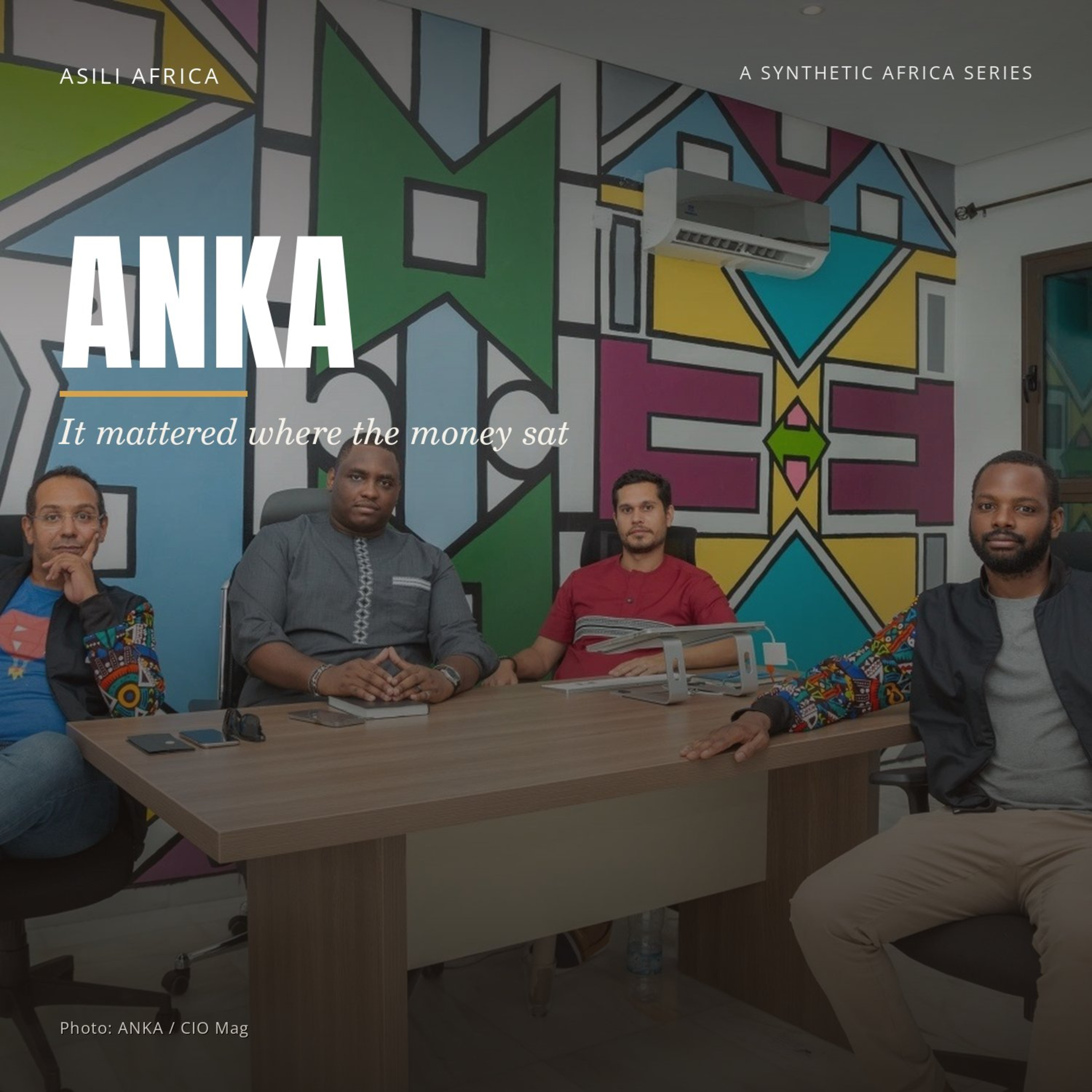
Anka (Côte d'Ivoire): A way to sell to buyers in Paris, New York and London without ever losing a shipment or a payment to Africa's forex controls
This is the story of Anka. The company that proved a hard business, and could not survive its own cap table.
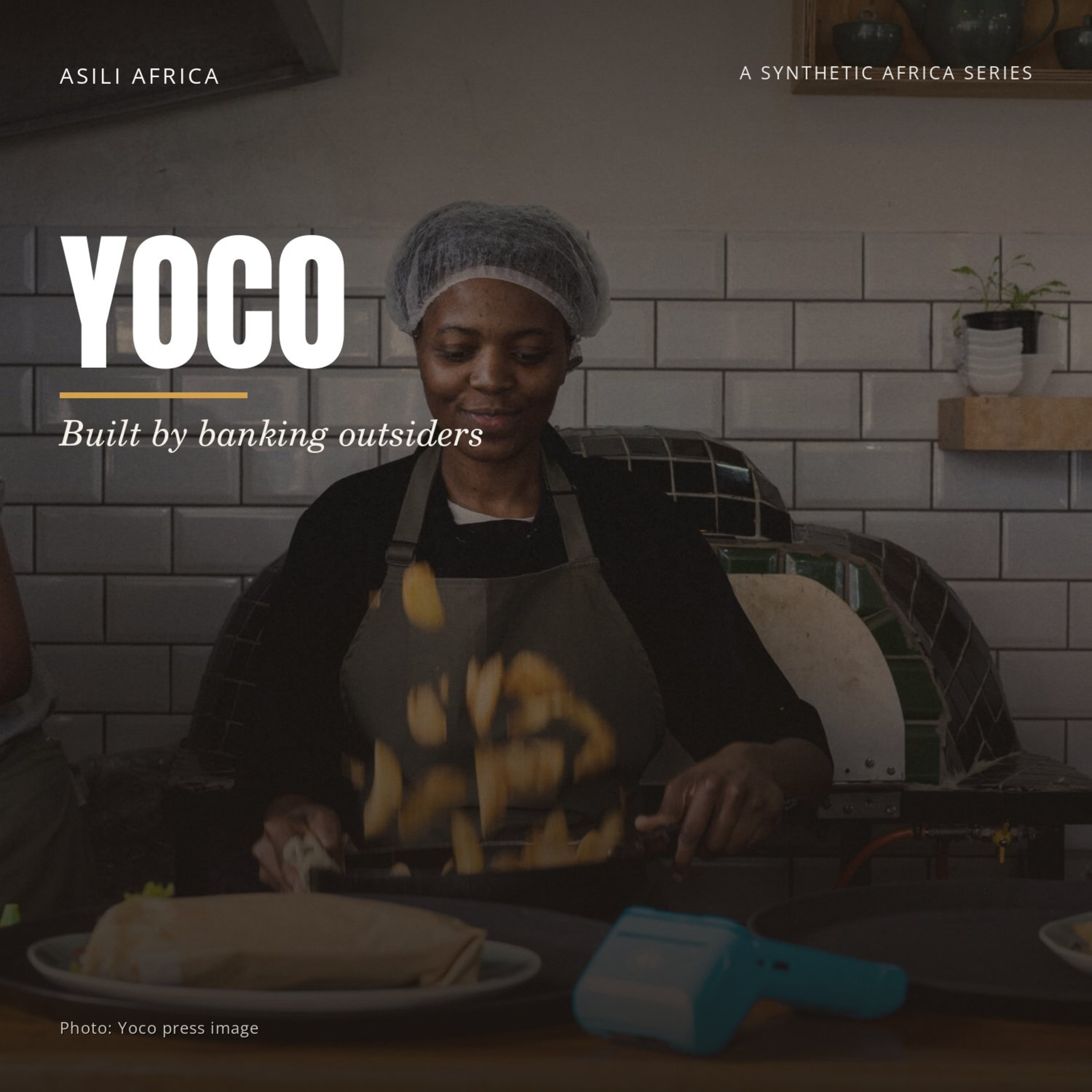
Yoco (South Africa): The preferred payments partner for 200,000+ South African small businesses
This is the story of how they did it, how they nearly ran out of cash before it worked, and how, in the last twelve months, the founder they built the company around finally stepped back.
Pesapal (Kenya): 17 years, No borders
Pesapal is the seventeen year old Nairobi payment company that was in market seven years before Flutterwave launched, that never left Nairobi as its head office, and that in mid 2026, after a wave of African fintech consolidation, is still independent, still founder run, and still doing exactly the thing it was set up in 2009 to do. This is a story about staying.
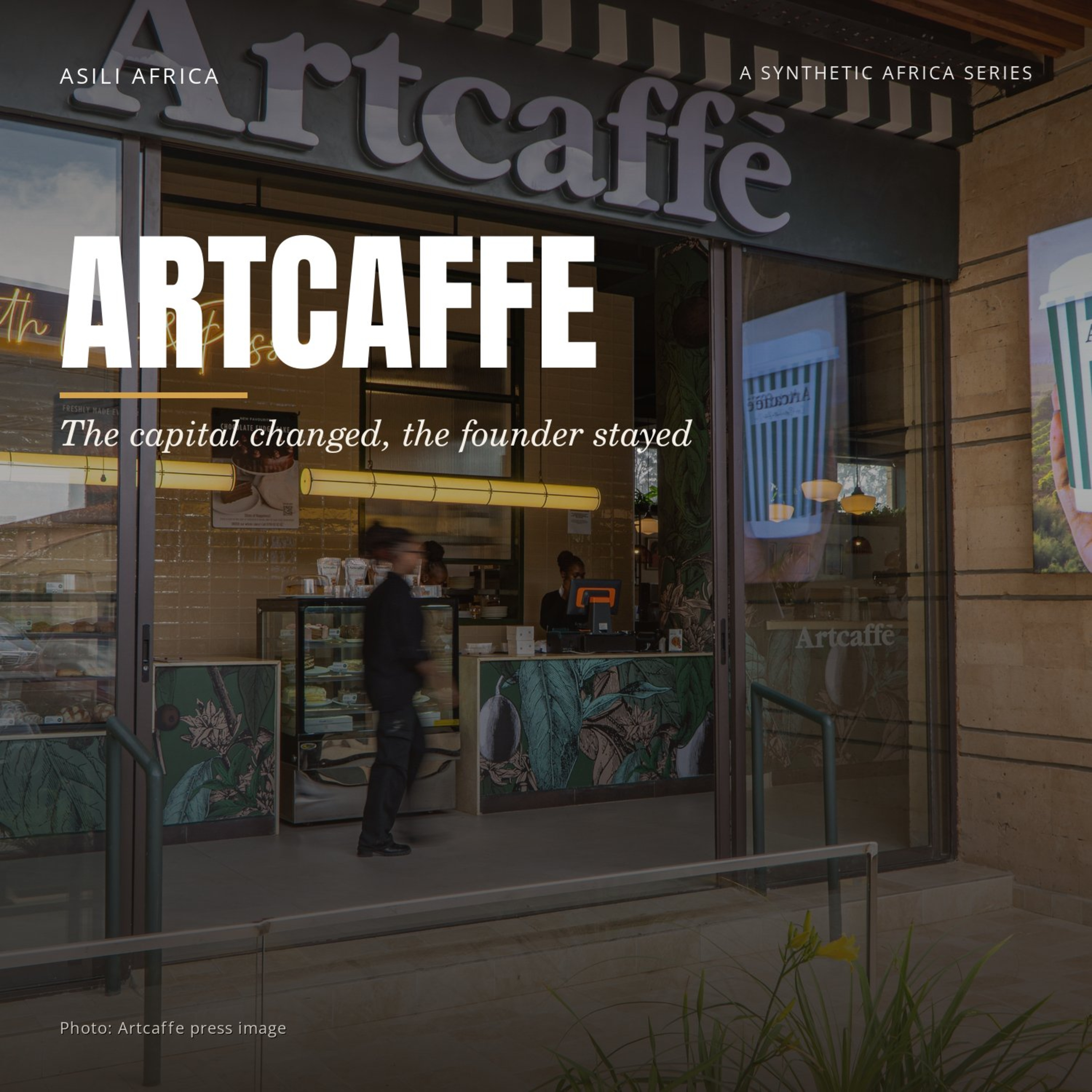
Artcaffe (Kenya): African Coffee Empire
This is the story of how a European style café at a Nairobi mall became one of the most structurally consequential casual dining chains on the continent. And how it survived the specific event, at the specific mall, that changed everything.
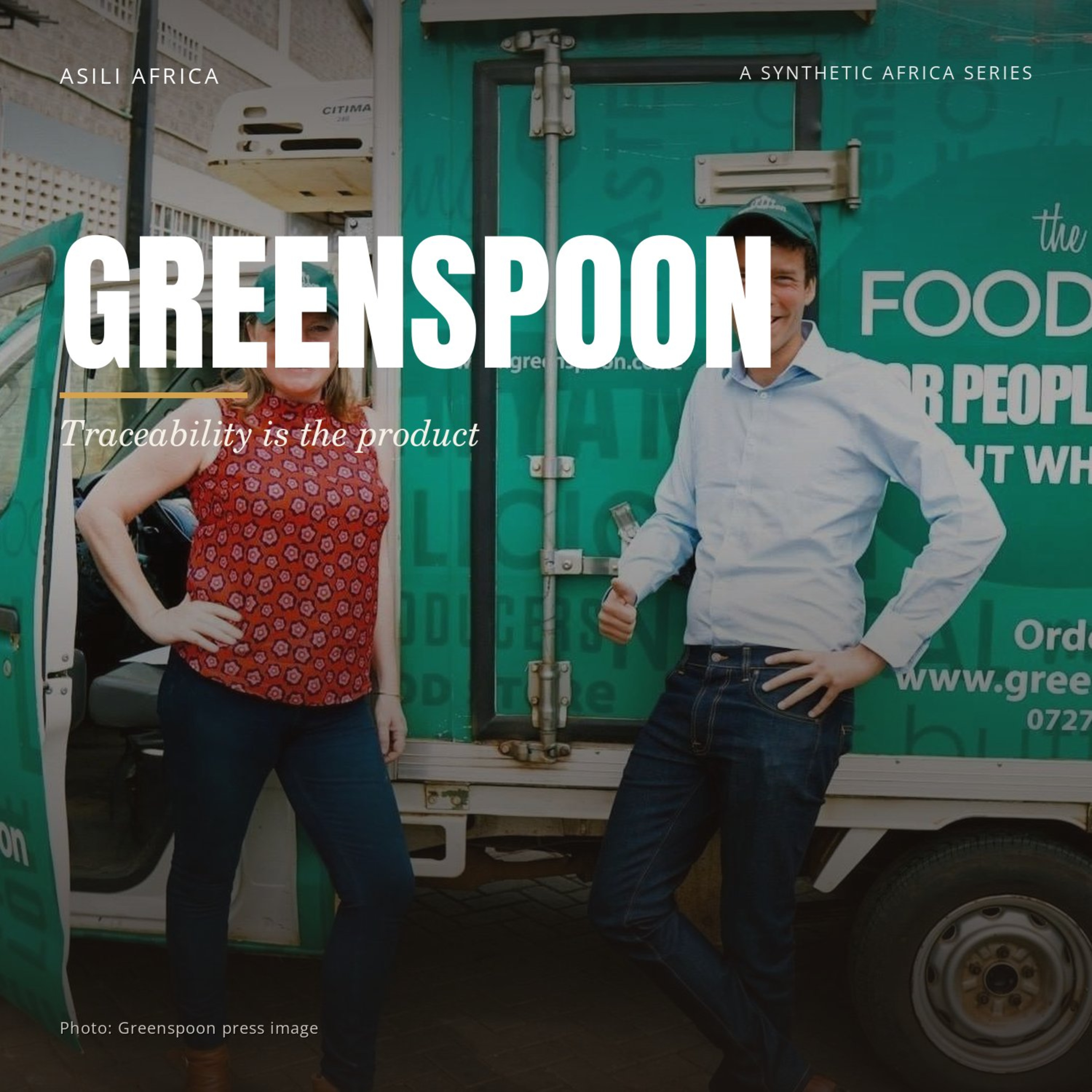
Greenspoon (Kenya): Green good. Green future.
The story of Greenspoon, which is, in some ways, the smallest company we have ever put on Asili Africa. One warehouse. One country. Around one hundred to two hundred employees. Founded by a mother out of her own kitchen. But that scale is exactly what makes this story worth telling.
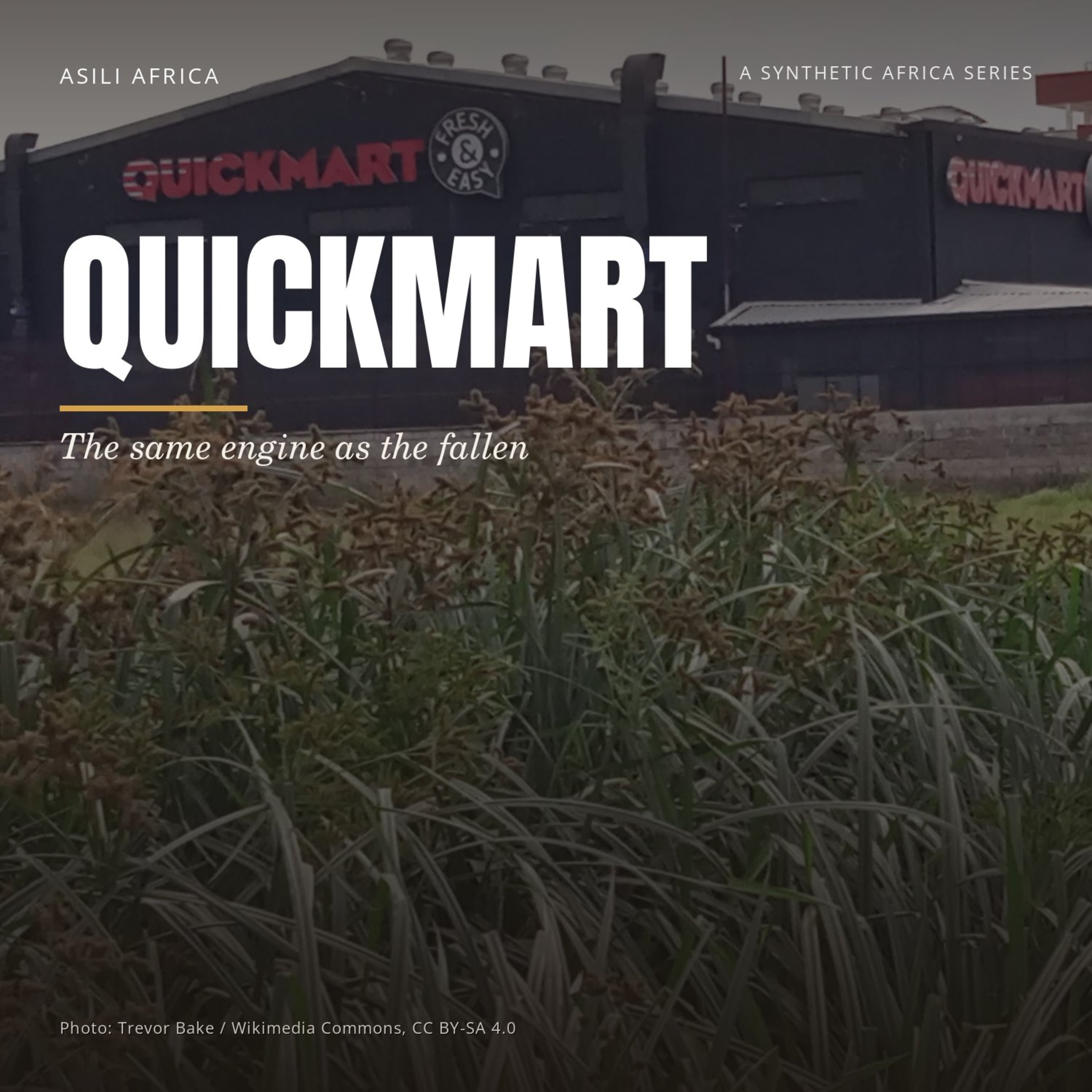
Quickmart (Kenya): Redefining the Kenyan retail landscape
This is the story of how Kenya's collapsed supermarket sector was restarted, by a Nakuru family that walked away in time, and the patient capital that walked in behind them.
Pan African Paper Mills / Rai Paper (Webuye, Kenya)
This is the story of a factory that built a town and then killed it. And the Kenyan industrialist who, seven years later, bought what was left for nine hundred million shillings against a peak book value of eighteen billion, and is now in the middle of the most ambitious industrial restart Kenya has seen in a generation.
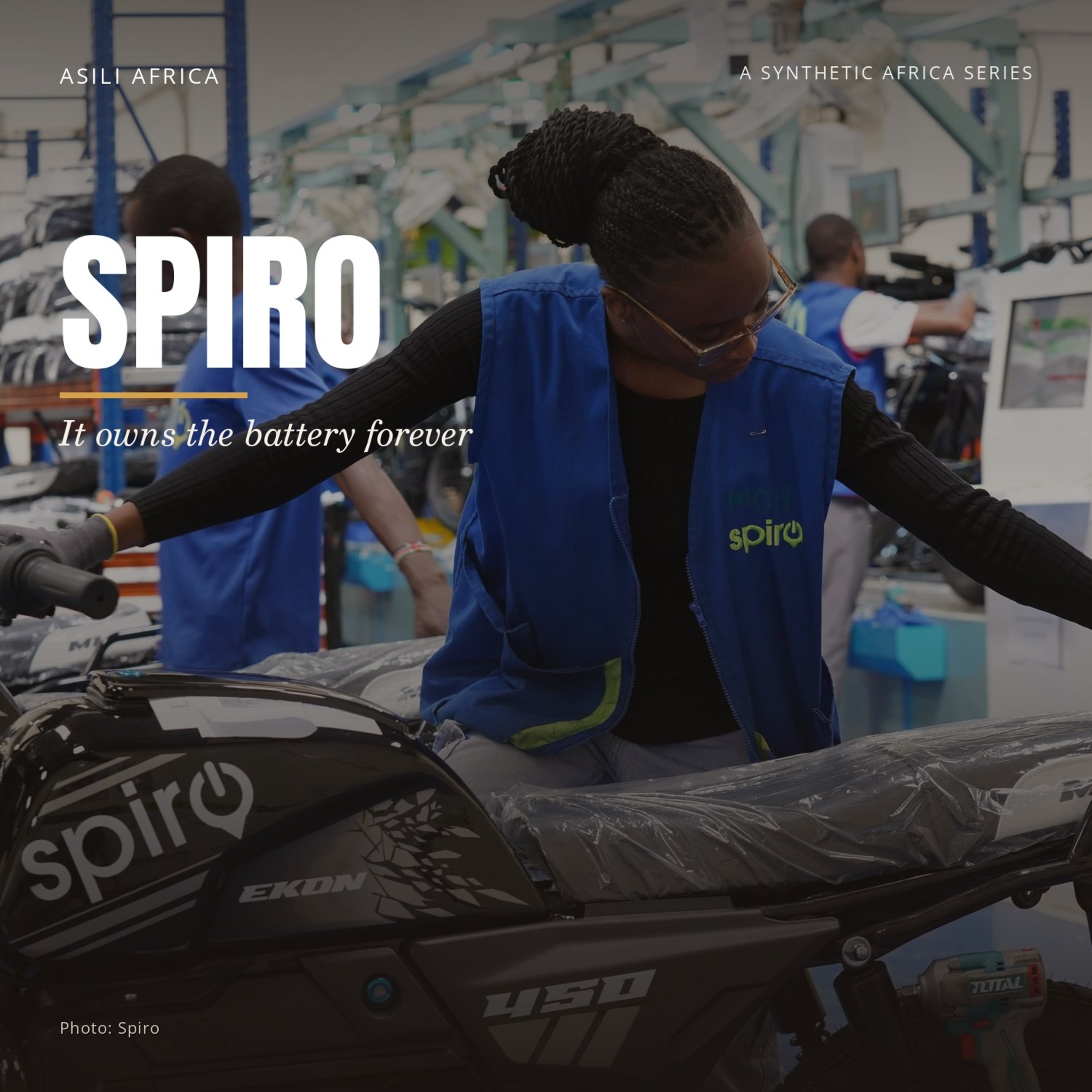
Spiro (Togo): African EV infrastructure is becoming institutional capital's next bet
This is the story of an Indian born industrialist who already had a port, an industrial zone, and the president's phone number in two small Francophone countries, and who decided to use that infrastructure to build the largest electric vehicle company on the African continent.
Paymentology (South Africa): A quiet South African card-processing company built the boring infrastructure that lets African fintechs issue Visa and Mastercard cards in 68 countries
This is the story of two parallel companies, one in South Africa, one in the United Kingdom, that were rolled up by a third, dragged through losses that should have killed them, rebuilt around a new CEO from the biggest United States competitor in the category, and turned into the quiet infrastructure layer underneath some of the most ambitious banking experiments on the planet..
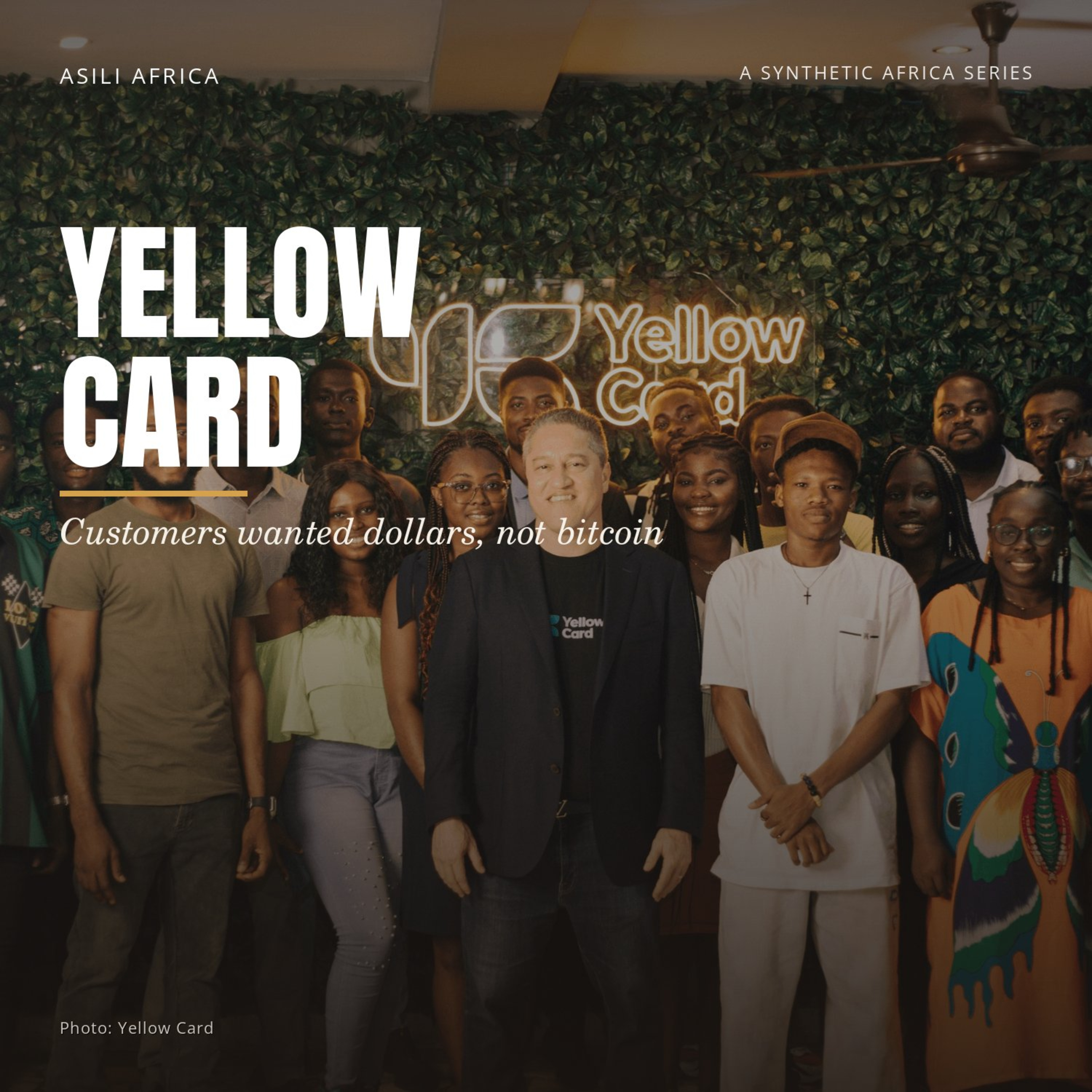
Yellow Card: Pan- African crypto exchange
This is the story of two college kids, a Taco Bell back room, a near death encounter with the Central Bank of Nigeria, and the African crypto company that just convinced Mastercard to bet on it as the rail underneath the dollar economy of an entire continent.
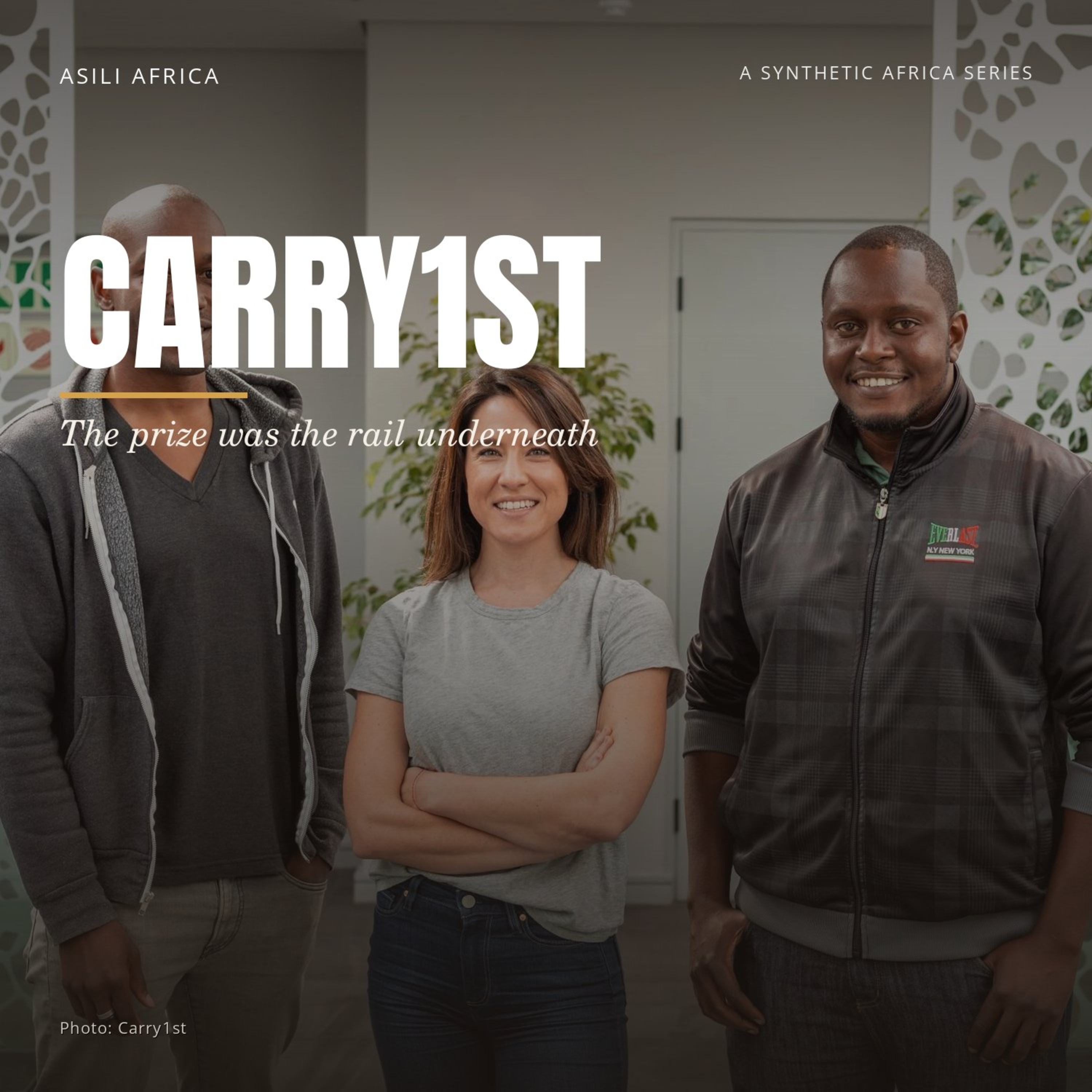
Carry1st (South Africa): From mobile gaming to fintech
This is the company that walked into African gaming, found the wall between players and payments, and built the rail that broke it.
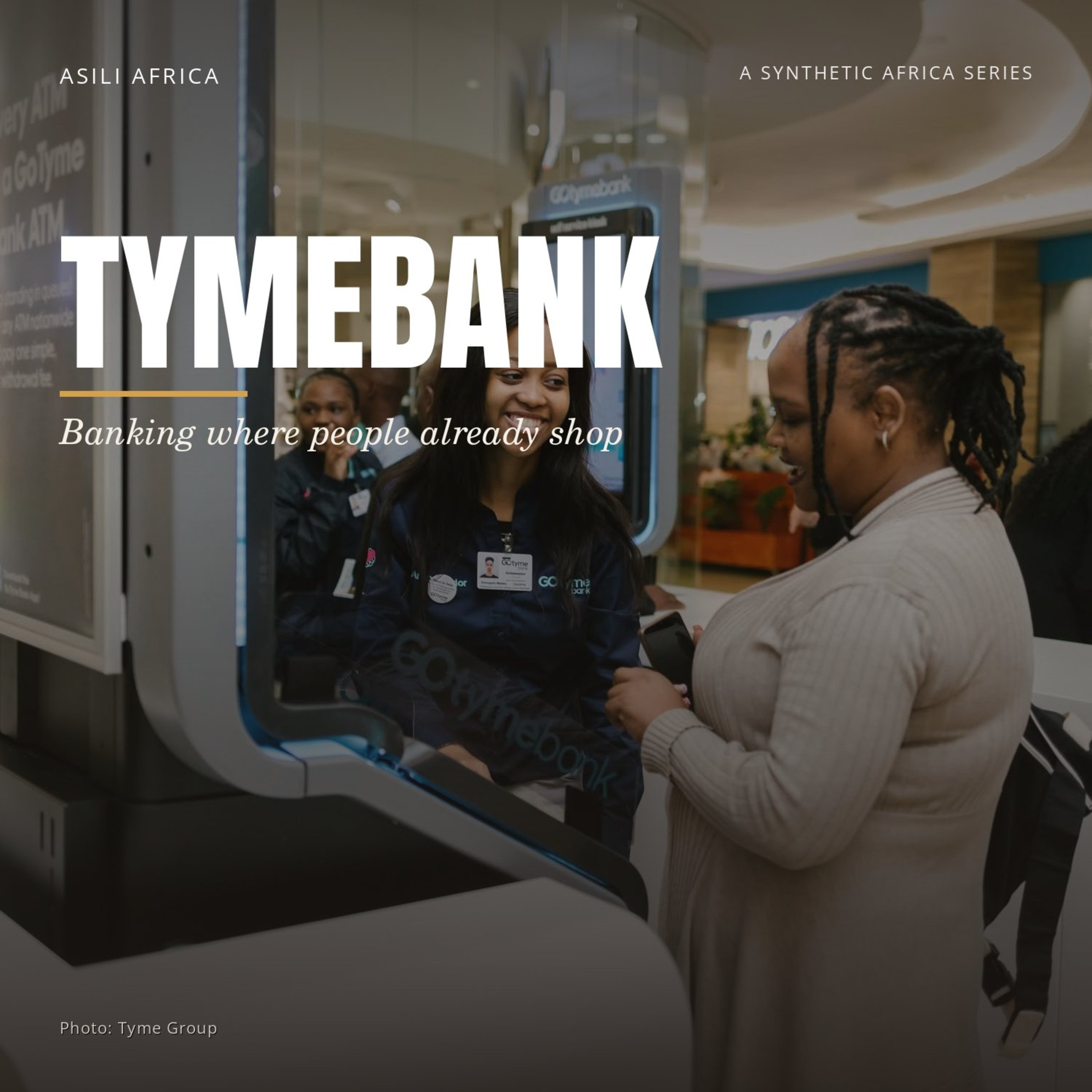
TymeBank (South Africa): Africa's newest unicorn at a $1.5B valuation
A branchless digital bank backed by Patrice Motsepe's African Rainbow Capital set out to crack South Africa's big-four banking oligopoly by signing up customers at supermarket kiosks — became the country's only black-owned, black-controlled commercial bank, reached profitability, and in Dec 2024 drew a $250M cheque led by Brazil's Nubank to become Africa's newest unicorn at a $
Dash (Ghana): Ghanaian cross-border payments startup — including one of Africa's largest-ever seed rounds
The Ghanaian fintech that called itself the Alipay for Africa, raised roughly eighty six million dollars from Insight Partners and a top tier syndicate of Silicon Valley names on claims of one million users and a billion dollars in lifetime transaction volume, and then collapsed in twenty twenty three when an internal audit found that as much as ninety five percent of its user data had been fabric
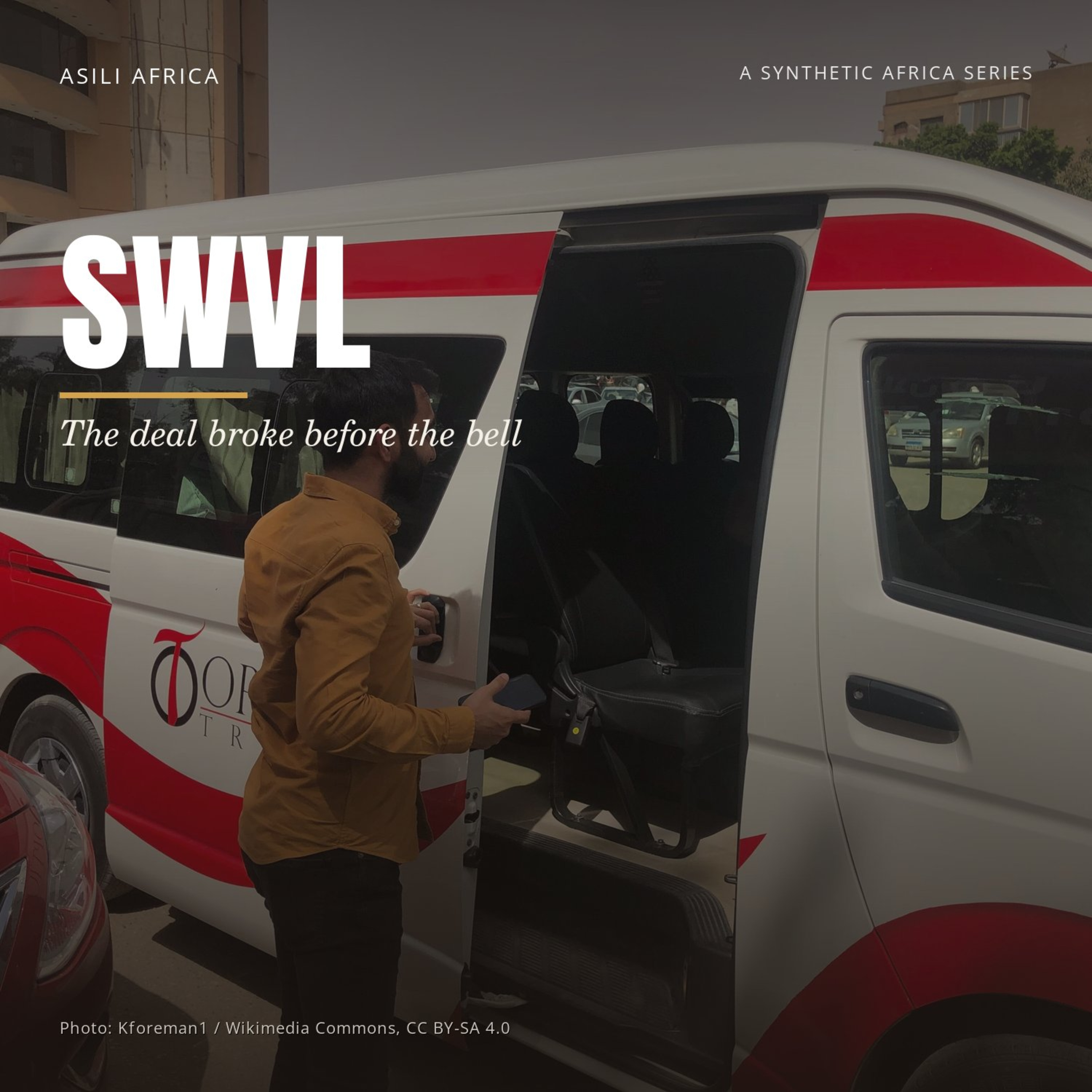
Swvl (Egypt): Egyptian bus-hailing app. The first African company to list on Nasdaq at a $1.5B valuation
This is the story of Swvl.The first African company on Nasdaq. The cautionary tale that came home with it.
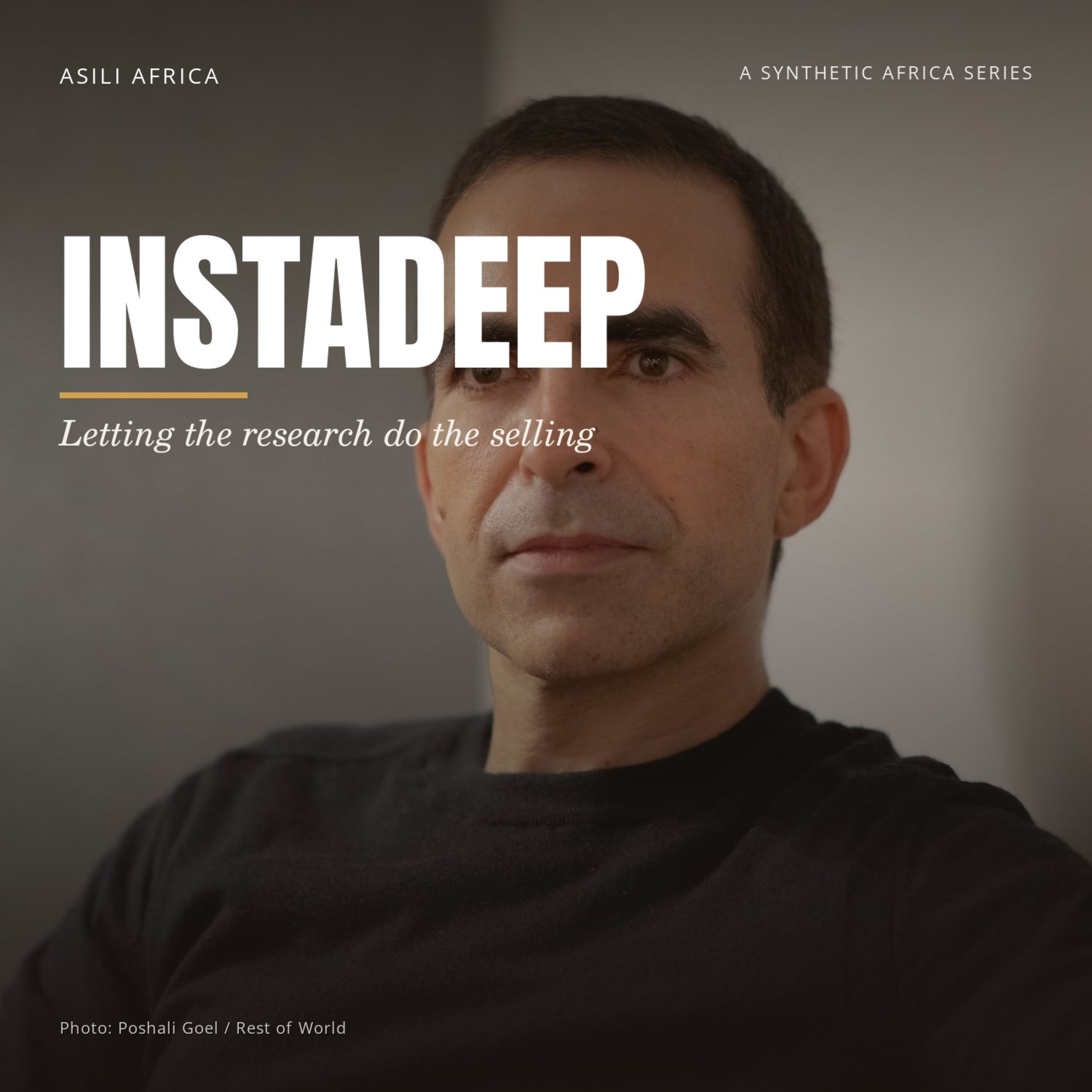
InstaDeep (Tunisia): One of the largest tech acquisition in African history
Two friends. Two laptops. Two thousand dollars. And a bet on mathematics that the rest of the world said could not be made from there.This is the story of InstaDeep.
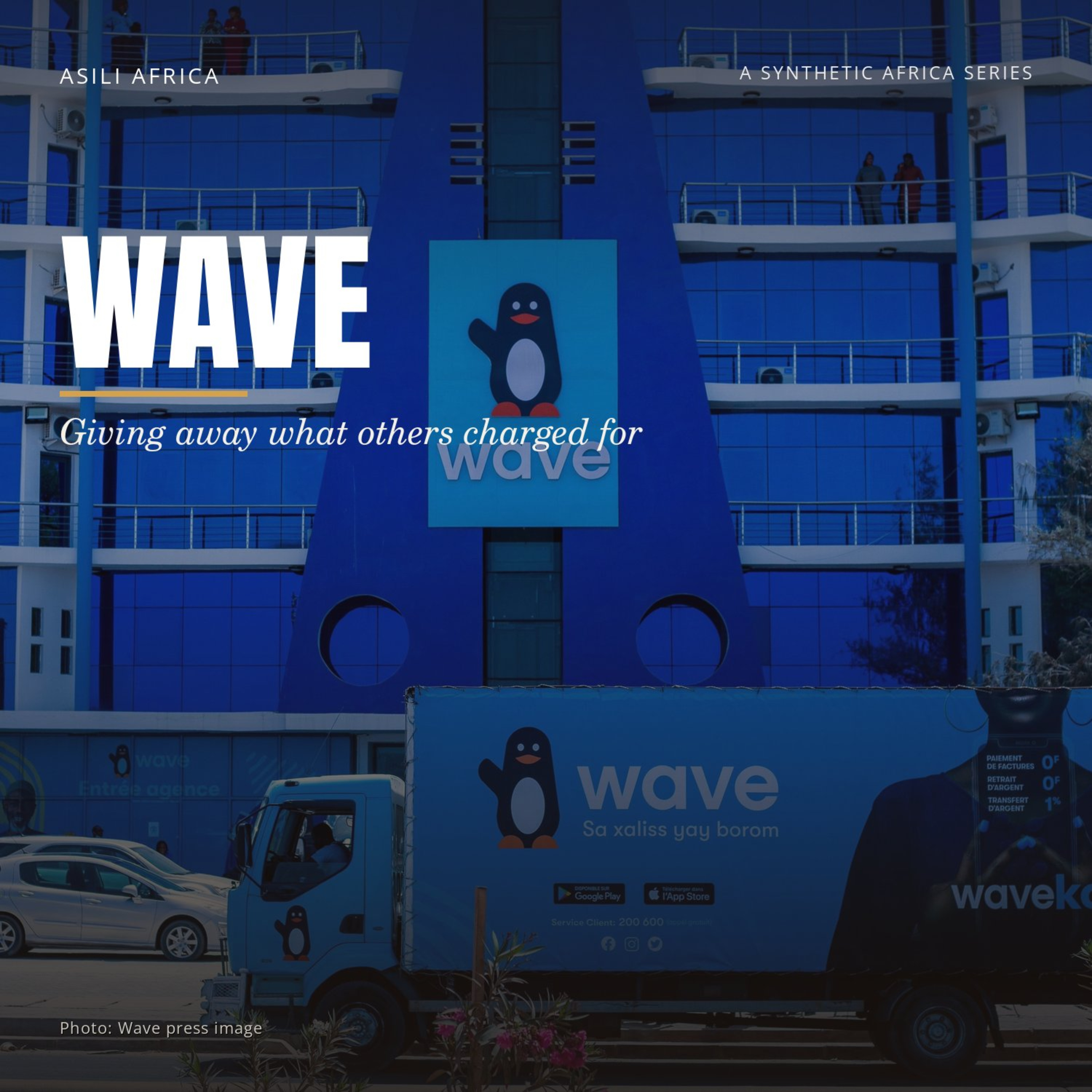
Wave (Senegal): Francophone Africa's first unicorn at a $1.7B valuation
This is the story of Wave. The app that beat a telecom at its own game, by charging almost nothing.
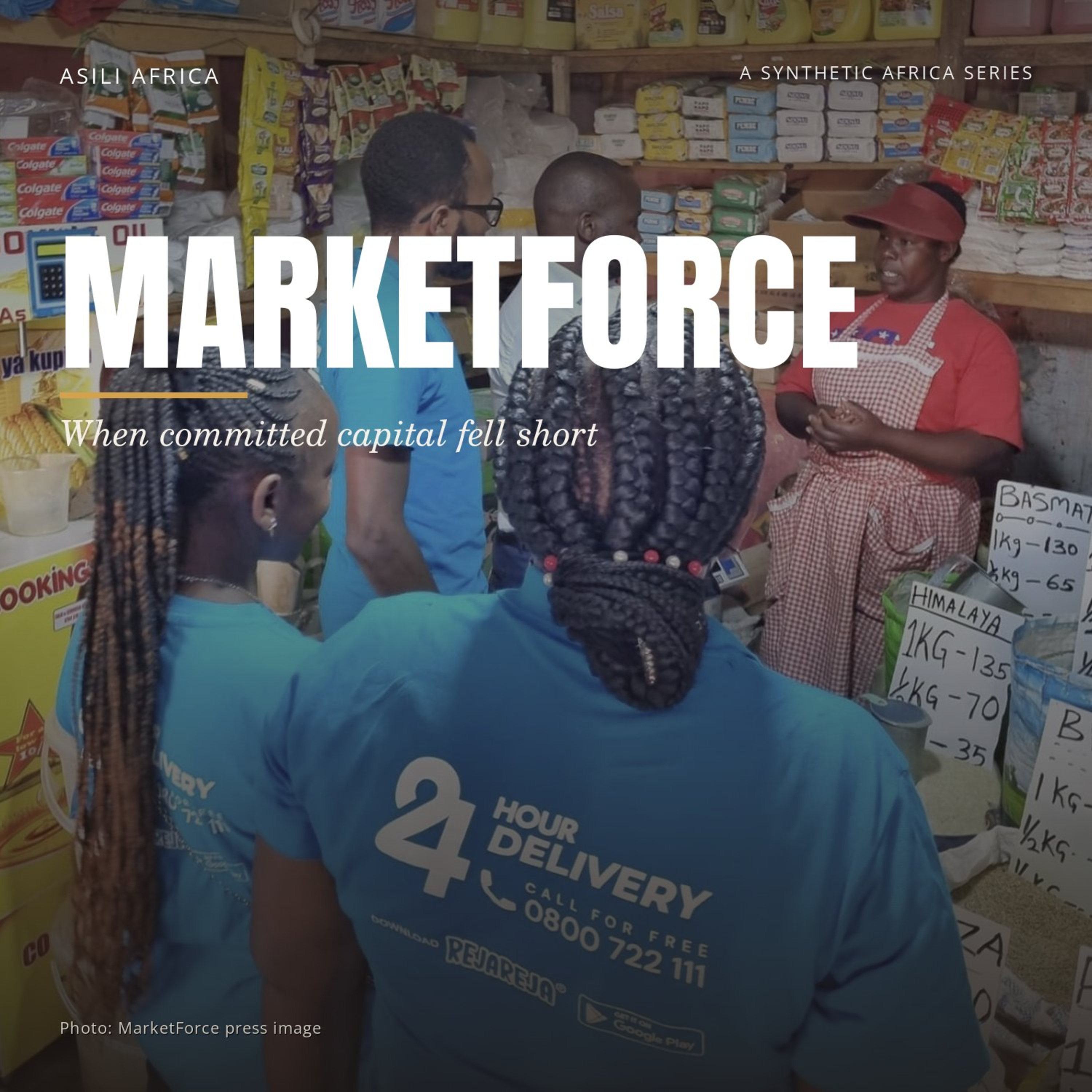
Marketforce: One of Africa's most-funded business-to-business retail platforms
This is the story of how Tesh Mbaabu spent six years building Africa's most-funded business-to-business retail platform, watched it die, and walked out of the wreckage to build two new companies — including, against the odds of a man who had just publicly buried a unicorn, a bank.
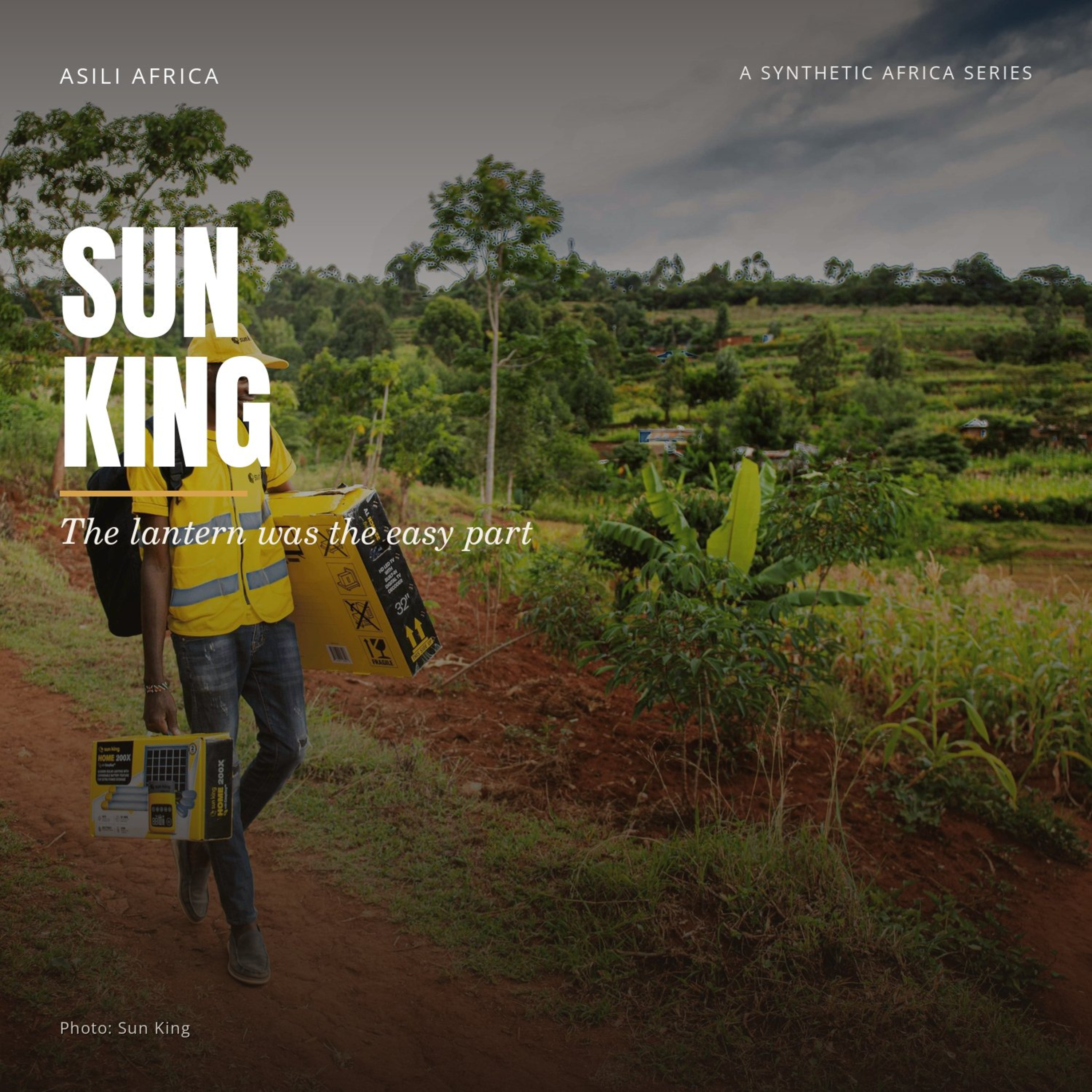
Sun King (Kenya): The kerosene replacement company that became a finance company
This is the story of Sun King. The kerosene replacement company that became a finance company, and is now becoming a utility.
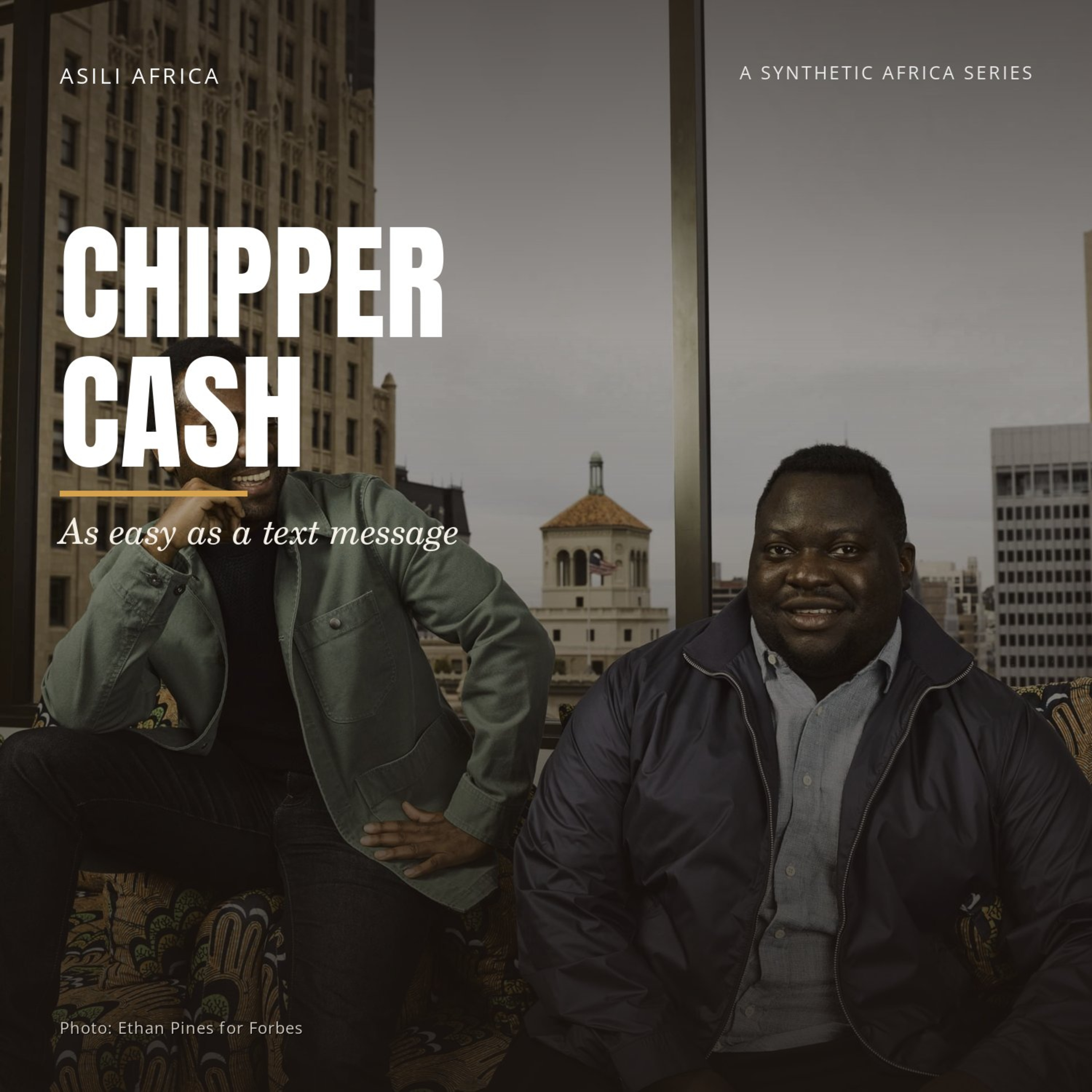
Chipper Cash (Pan-African): Two friends set out to make sending money across African borders as easy as a text
This is the story of Chipper Cash. The pan African remittance company that rode the cheapest capital in the history of African fintech to the top, and then had to teach itself how to walk on its own legs.
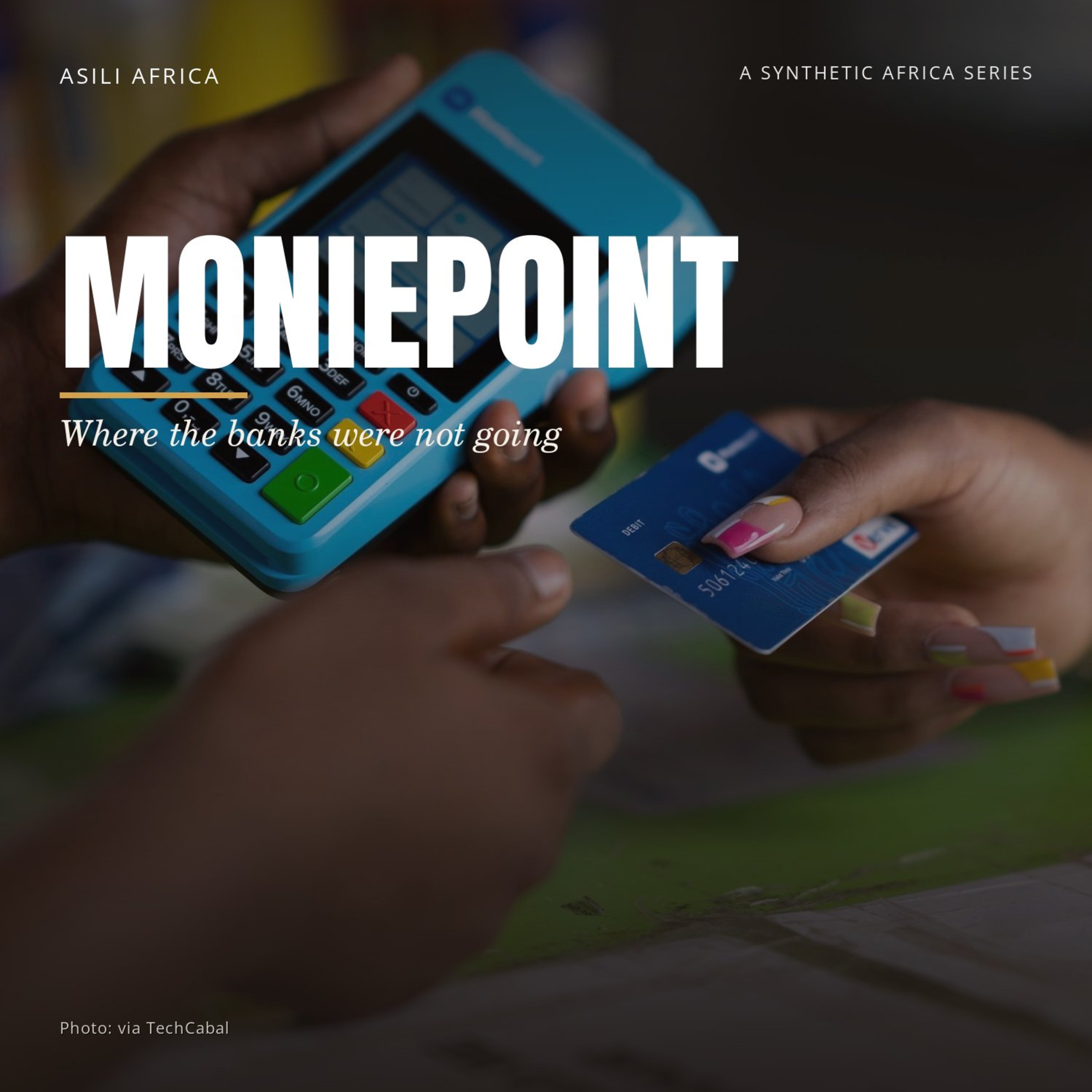
Moniepoint (Nigeria): It started as boring back-end software for banks, then noticed millions of Nigerians had nowhere to deposit cash
This is the story of Moniepoint. The boring software company that walked up the stack until it became one of Africa's most important consumer banks.
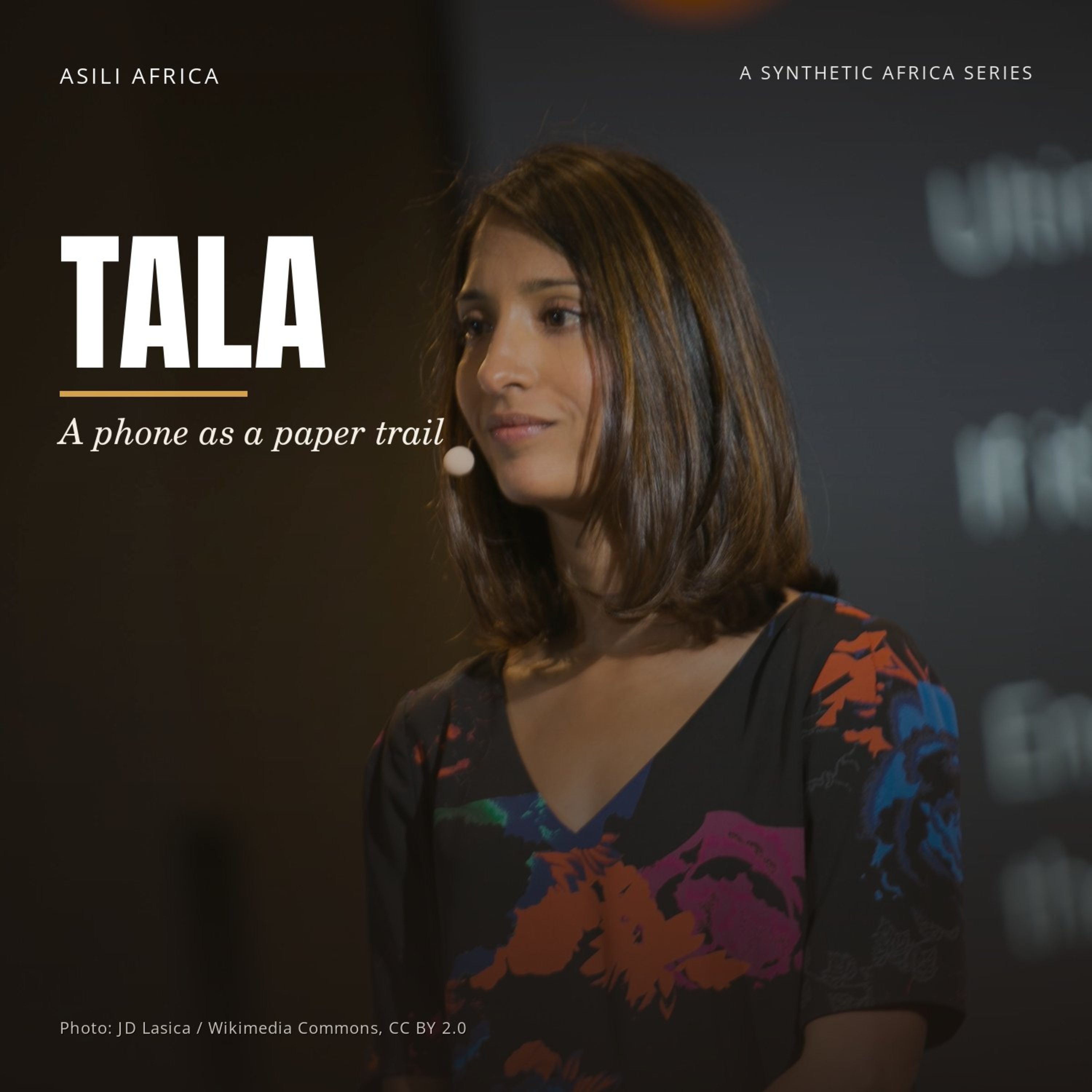
Tala (Kenya): The alternative-credit-scoring bet that redefined who counts as creditworthy
The Los Angeles fintech that decided the phone in a Kenyan stranger's pocket was a better paper trail than any payslip.
Interswitch (Nigeria): Before fintech was a word, a quiet Lagos company built the rails that every Nigerian bank card runs on
This is the story of how an ATM in Scotland accidentally founded Africa's first homegrown fintech unicorn. And of the engineer who built it without ever owning it.
Econet Wireless (Zimbabwe): The legal war that broke a state telecom monopoly and seeded a pan-African and global telecoms empire
This is the story of how one Zimbabwean engineer built a global telecoms empire by refusing to pay a bribe. And then sued his own government, all the way to the constitutional court, until the law itself broke the monopoly.
Andela (Nigeria): The startup that promised to turn African talent into the world's remote engineering workforce
This is the story of an idea so good it raised three hundred and eighty one million dollars in seven years, made the Chan Zuckerberg Initiative write its first major investment check, became Africa's most famous startup — and then quietly tore itself apart, twice, to survive.
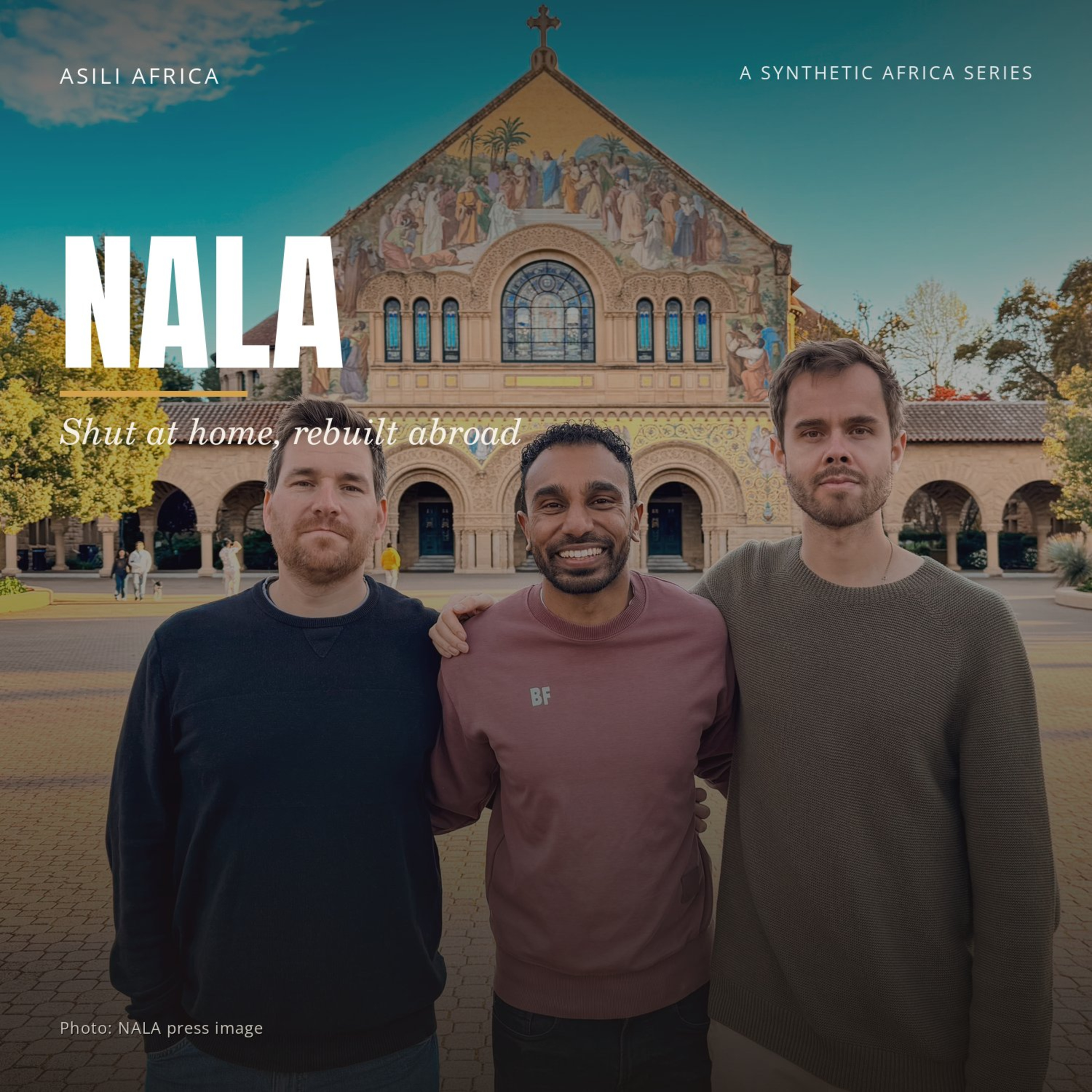
NALA (Tanzania): Tanzanian diaspora remittance app into a stablecoin-powered B2B payments platform
This is the story of how a Tanzanian sports television broadcaster, with a twenty thousand dollar prize and a Stanford degree, built a remittance app, watched the regulator kill it, rebuilt it in London pointed in the opposite direction, and is now trying to put the entire cross-border payment system of Africa onto stablecoin rails.
Jumia (Nigeria): The Amazon of Africa that might be neither
This is the story of a Berlin-incorporated, French-founded, Delaware-listed, Dubai-managed company that was sold to Wall Street as the Amazon of Africa, and of what was left of that promise after fourteen years, three country exits, and roughly two billion dollars of losses.
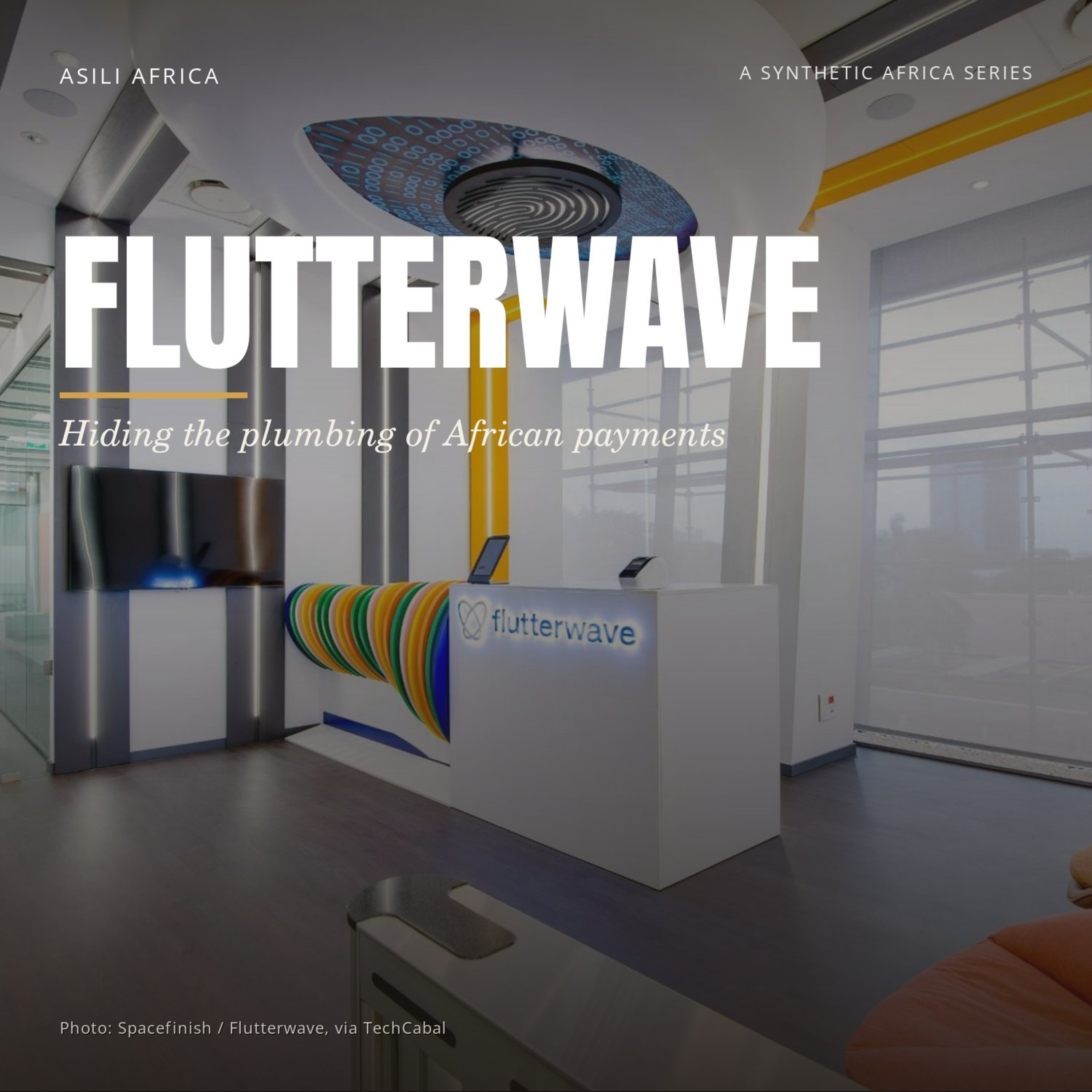
Flutterwave (Nigeria): The fintech that dared to be Africa's Stripe
This is the story of how three founders in a Lagos co-working space tried to build the African Stripe, and how the company they built became, in the same year, both Africa's most valuable startup and Africa's most public governance crisis.
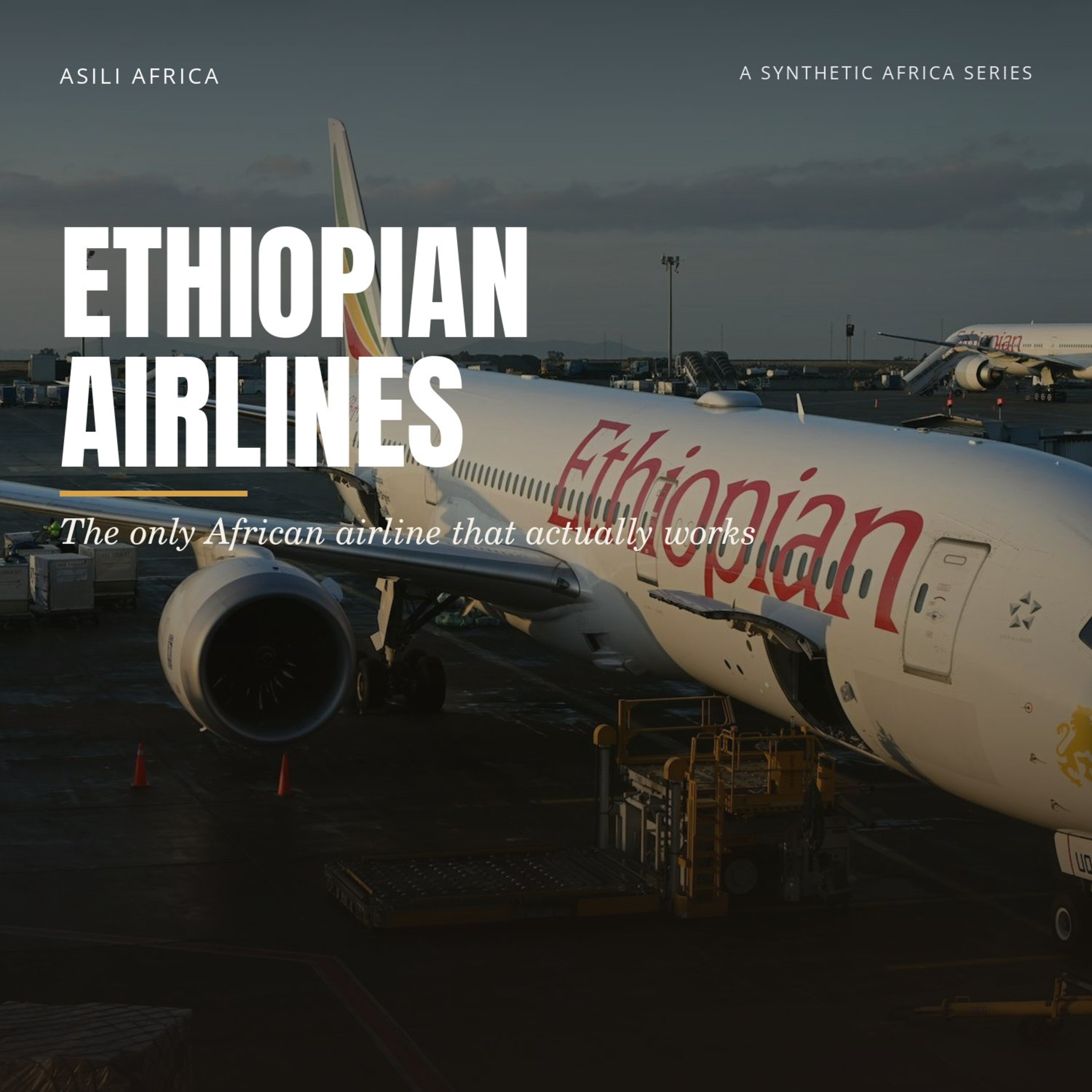
Ethiopian Airlines (Ethiopia): The only African airline that actually works — and why
This is the story of how an airline founded by an emperor in a country with no paved runway became the only African flag carrier that has never failed.
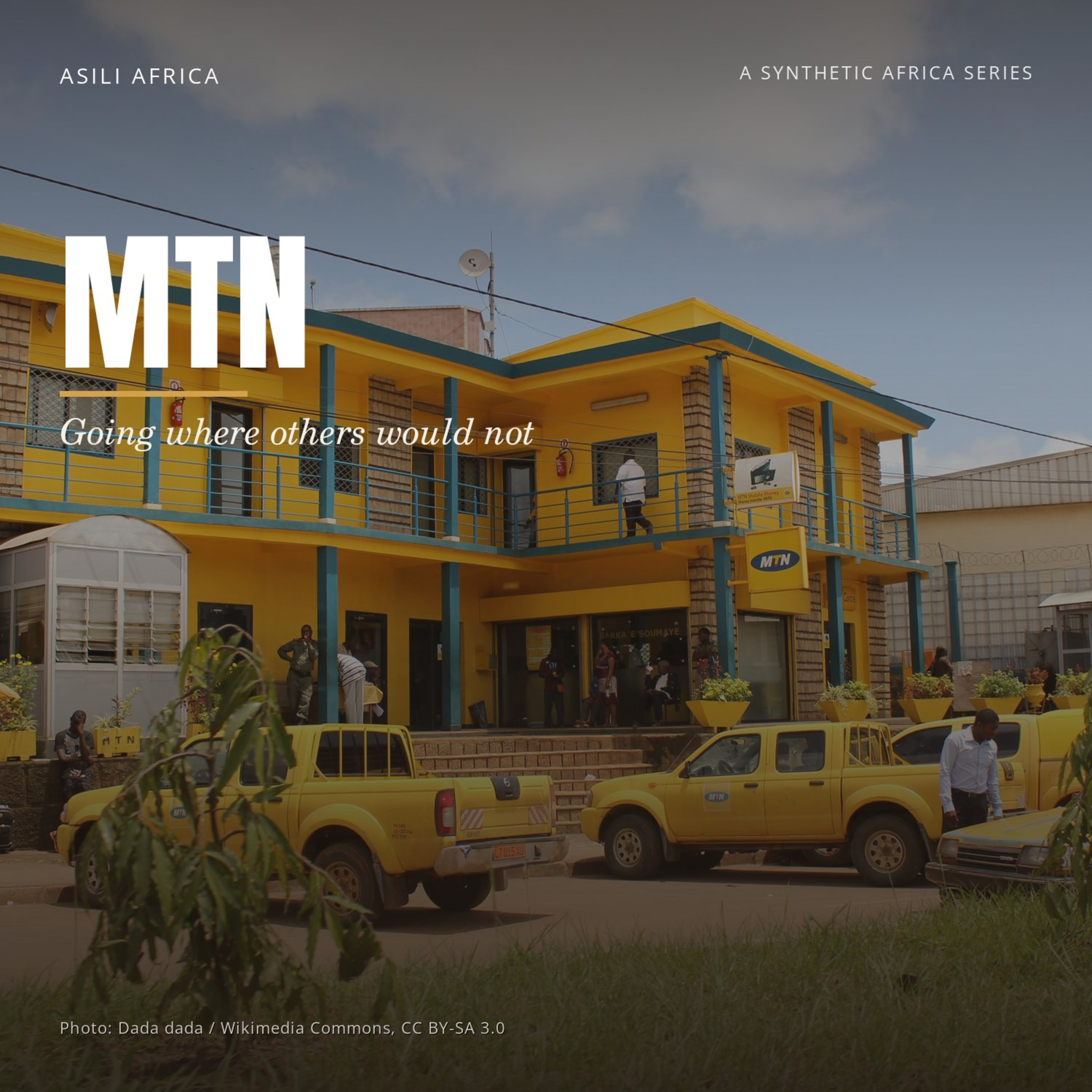
MTN (South Africa): Post-apartheid bet became Africa's largest telco
On the afternoon of October 26th, 2015, a regulator in Abuja issued a press release. The number on the page was one trillion and forty billion naira. In US dollars, it was five point two billion. It was the largest regulatory fine ever levied on a single company anywhere on Earth.Within two weeks, MTN's share price on the Johannesburg Stock Exchange had collapsed by a quarter. The Group's
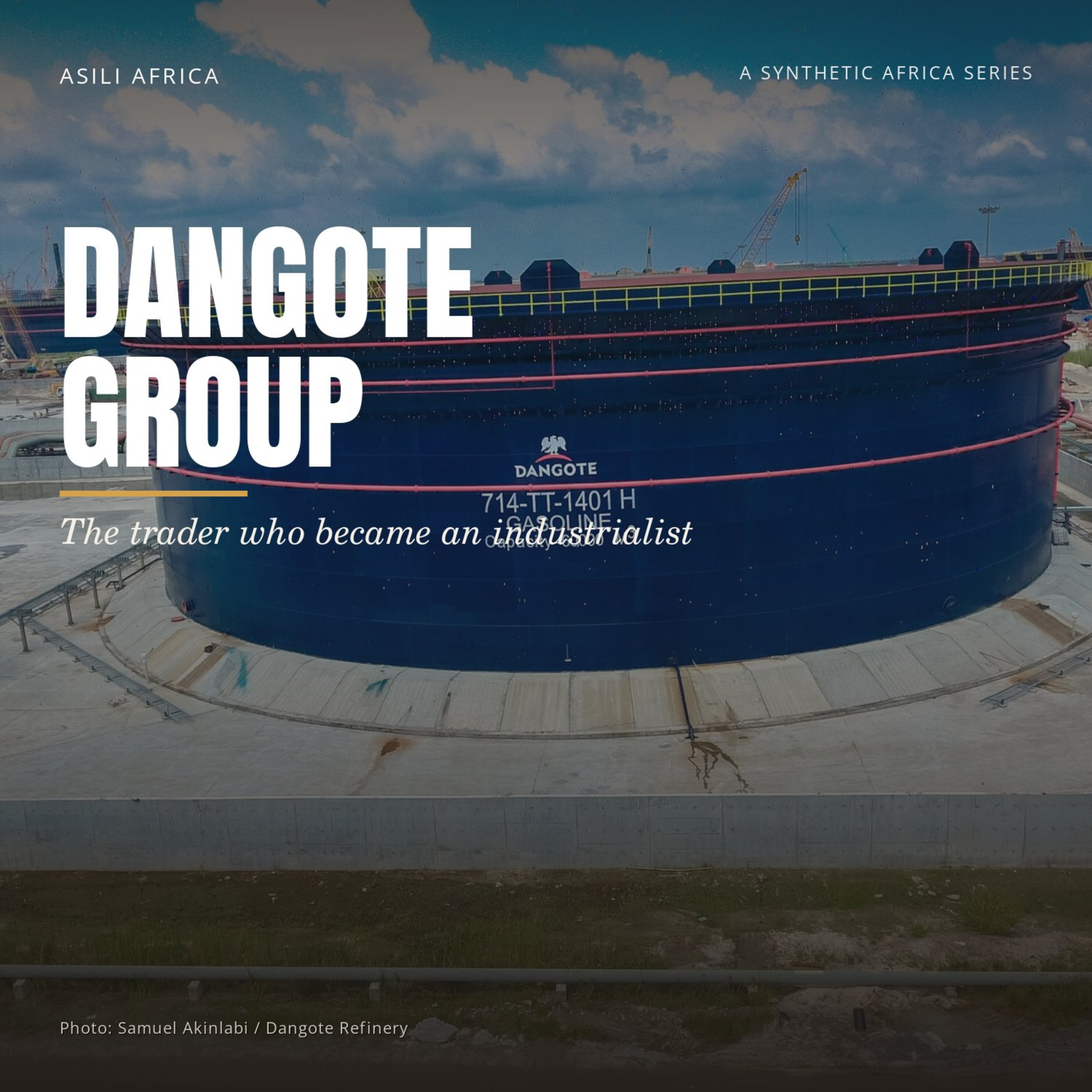
Dangote Group (Nigeria): One man built Africa's richest fortune from cement
Nigeria, the nation that for half a century had pumped some of the world's best crude out of its delta and then bought refined fuel back from Europe at a markup, was now shipping petrol out.The man who had paid for it was sixty-eight years old. He had been born in Kano, in the north. And he had started, in 1977, with a family loan worth about three thousand US dollars.This is the story of Dang
Zerobionic (Kenya): A small Nairobi assistive-robotics startup building AI hardware that translates speech into sign language in real time
A small Nairobi assistive-robotics startup is building AI hardware that translates speech into sign language in real time — and just beat 1,200+ applicants from 45 African countries to become Qualcomm's sole Kenyan pick in its Make in Africa mentorship.

Company: Afripods (Kenya): The pan-African podcast platform built from Nairobi that let African creators reach audiences without traditional media gatekeepers
For most of the 2010s, the podcast boom was one of the great gold rushes in modern media. Billions of dollars. Hundreds of millions of listeners. Spotify, Apple, Google, all racing to own the world's ears.And the entire industry agreed, more or less silently, on one thing about Africa. Africa would listen. Africa would not be paid to speak.
Java House (Kenya): From a single coffee shop on Adams Arcade to a pan-African chain — and the private-equity ride that followed
Two Americans were named Kevin Ashley and Jon Wagner. Ashley had spent the previous decade flying United Nations relief missions into the South Sudan civil war. Wagner had been in Nairobi long enough to know that the coffee being served in the city's hotel lobbies was, by his lights, an embarrassment.They took a small unit in a beat-up shopping centre called Adams Arcade. They taught themselves to
CJ's / Café Javas Limited - Built on patience and petrol
How a single Nairobi diner became Kenya's most recognisable casual-dining chain.

Vivo Activewear (Kenya)
Wandia Gichuru built one of Kenya's most recognisable consumer-fashion brands — bootstrapping a category that barely existed in Nairobi.

Sendy / TABB (Kenya) - The comeback
This is the story of how one of the most-funded African startups of its generation died — and how its founder is, right now, trying to build the opposite of it.
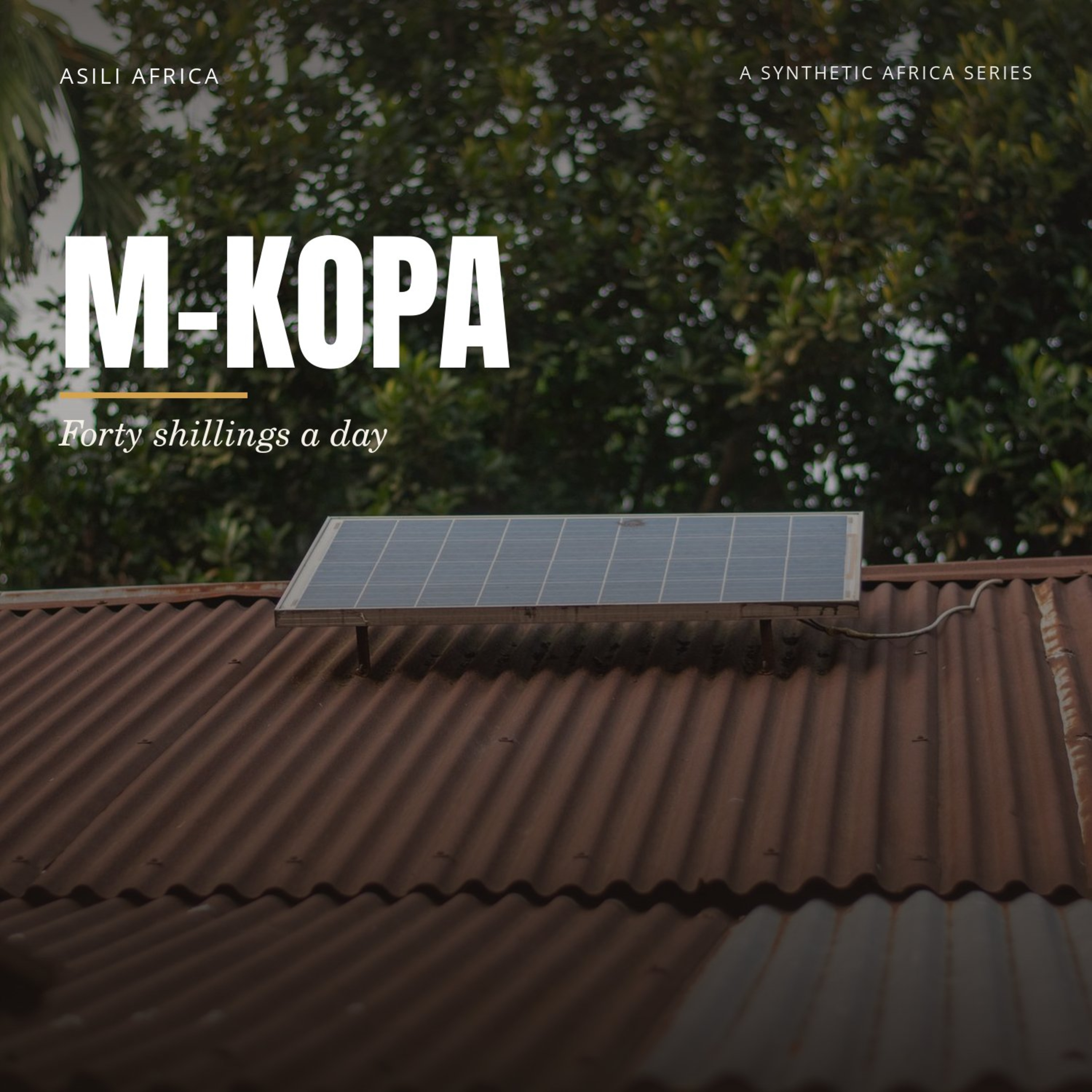
M-KOPA (Kenya) - Pay-as-you-go solar that became a $1B fintech
Five million customers. A factory in Nairobi making seven and a half thousand smartphones a day. The largest connected consumer-financing platform in sub-Saharan Africa.All of it built on top of an idea, hatched fifteen years earlier, that you could finance a solar panel for a rural Kenyan household, forty shillings at a time, by bolting a SIM card into it.